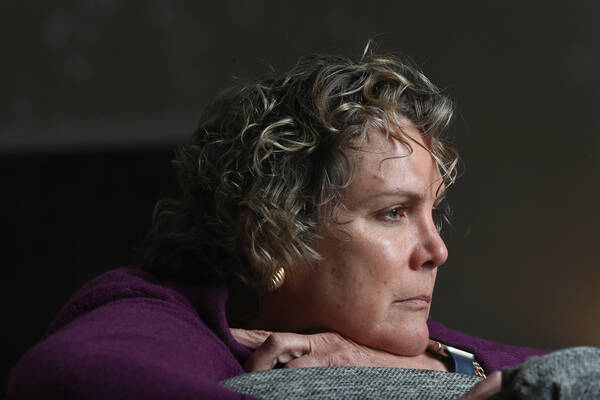
| I've been reporting in the Odessa region of Ukraine for the last two weeks since the war started. The city has not yet seen any attacks, but people here have been preparing for a sudden assault from the sea, as Russian ships have been nearby. This is what my week has looked like so far.
On Sunday, I visited Mass at an Orthodox Church, Cathedral of the Nativity of Christ, where only a few people like those below showed up pray for the war to end and to donate food. 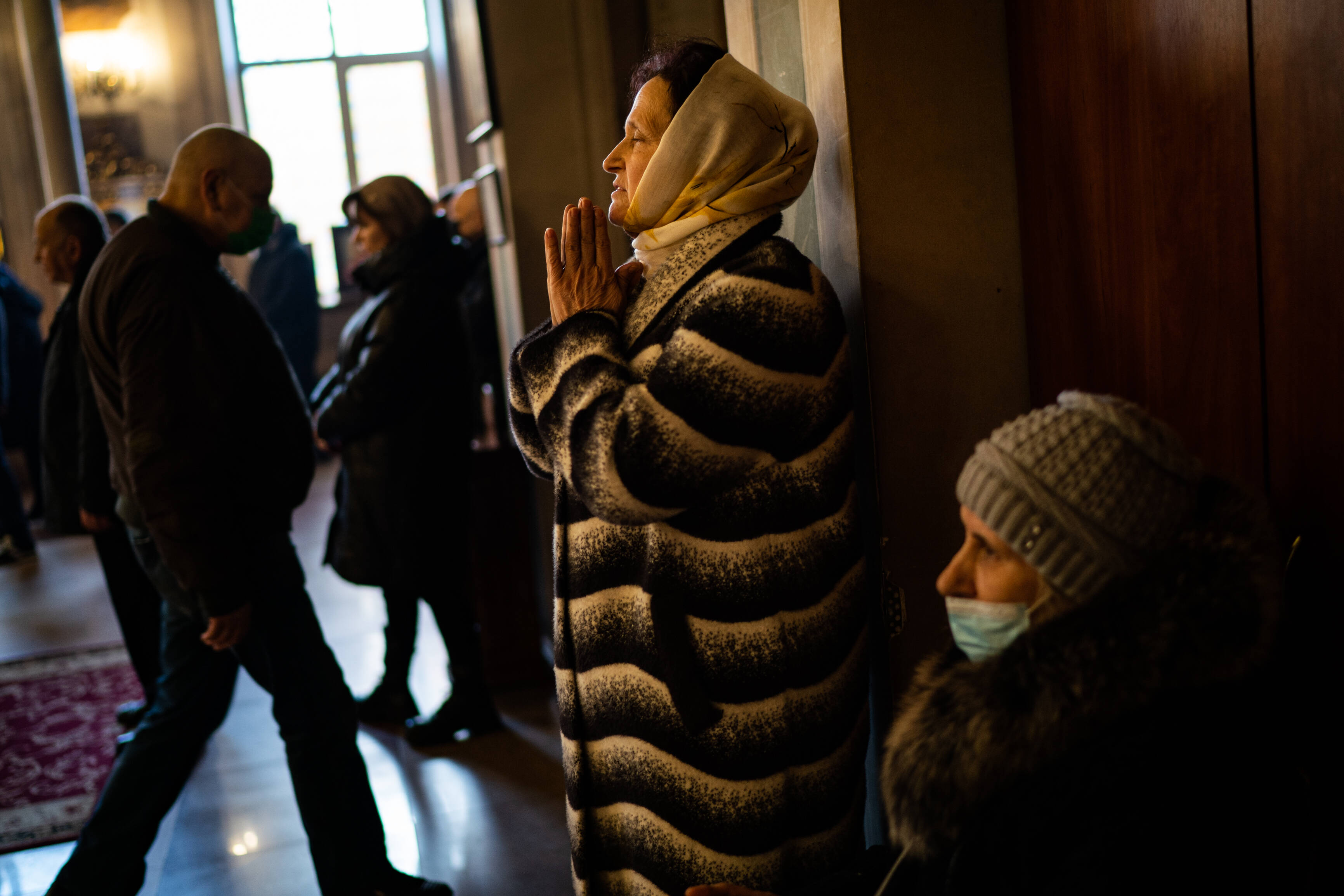 (Salwan Georges/The Washington Post) | On Monday, my colleagues and I visited Mykolaiv, where I met Diana, a 5-year-old celebrating her birthday inside a bomb shelter. This was the most impactful moment of my week. Below, she's pictured with her father, Vitaly. The apartment complex where her family lives has been heavily damaged by Russian shelling and rockets. Her parents hope that when she grows up she won't remember this war. 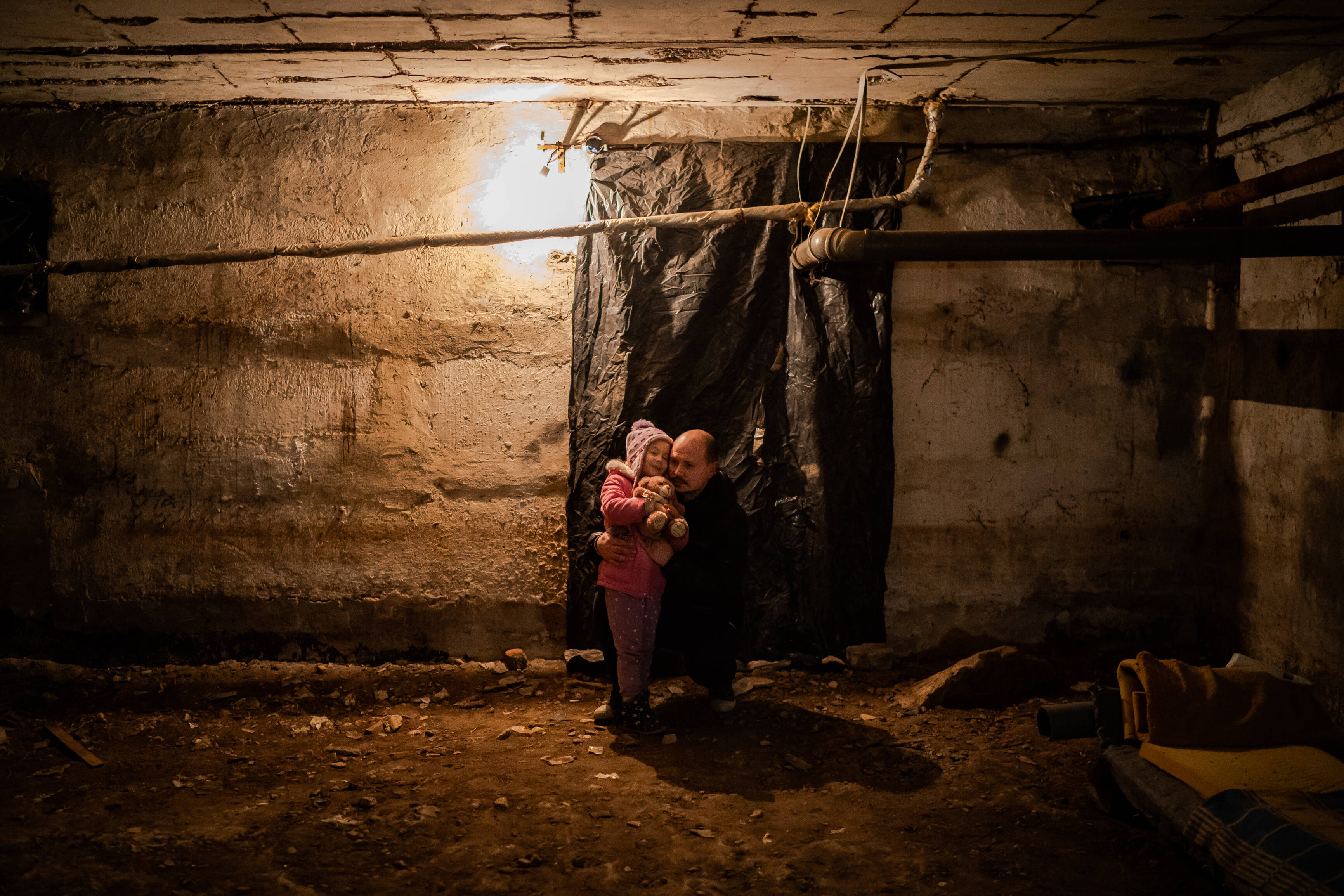 (Salwan Georges/The Washington Post) | On Tuesday, back in Odessa, I walked along a park near the city's port. That's where I met Sofia and her grandmother, Ekaterina. The elder woman shared with me that she has been trying to make life feel as normal as possible for Sofia, so she is not affected by the trauma of war. 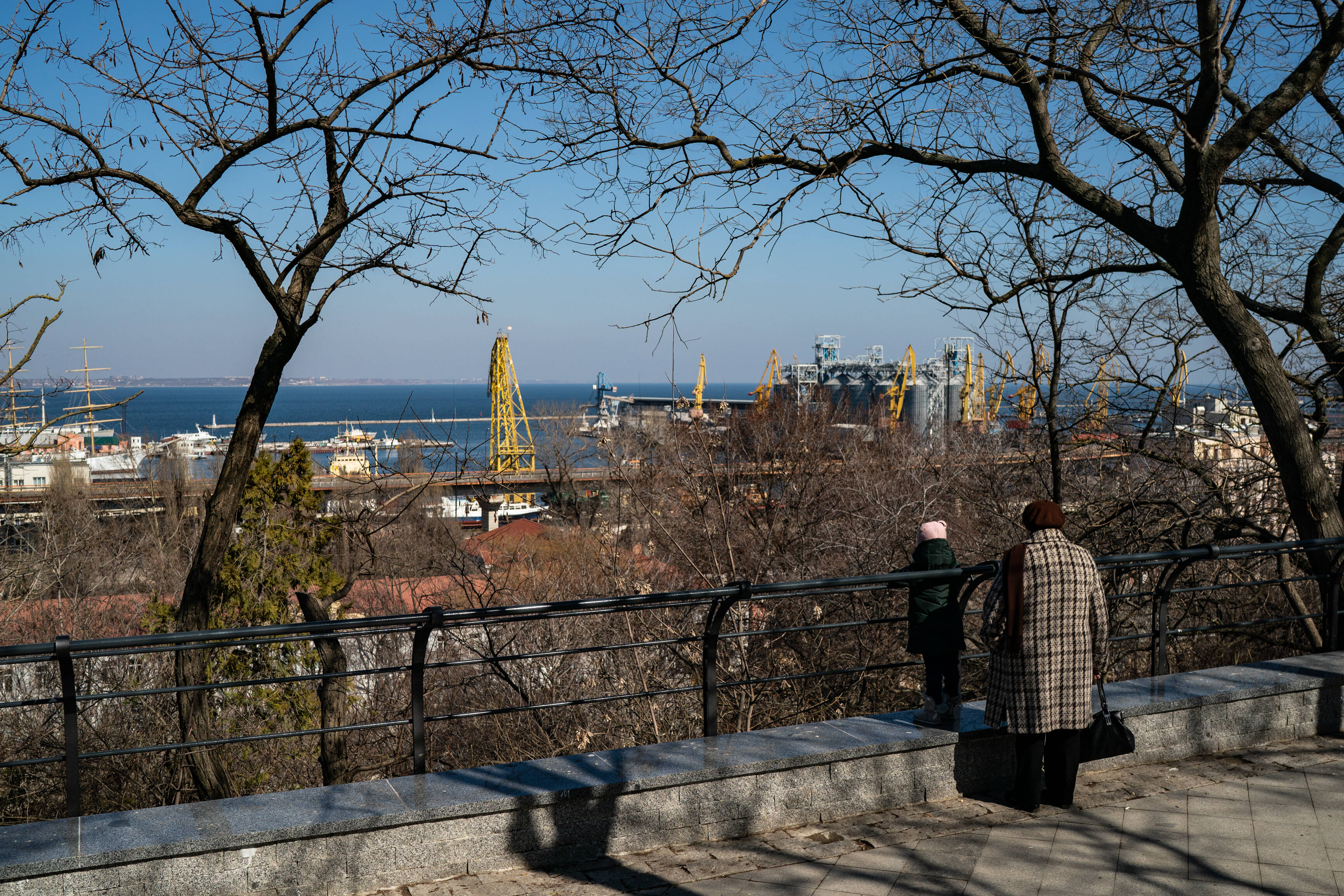 (Salwan Georges/The Washington Post) | On Wednesday, I visited the only children's hospital in the city. Staff there shared with me that newborns in the intensive care unit have to stay put during air raid alarms because they can't be taken down to the bomb shelter due to a lack of mobile health-care machines. Workers taped all windows to protect the babies from shattered glass. Below, mothers sit with their newborns at Odessa Regional Children's Clinical Hospital. 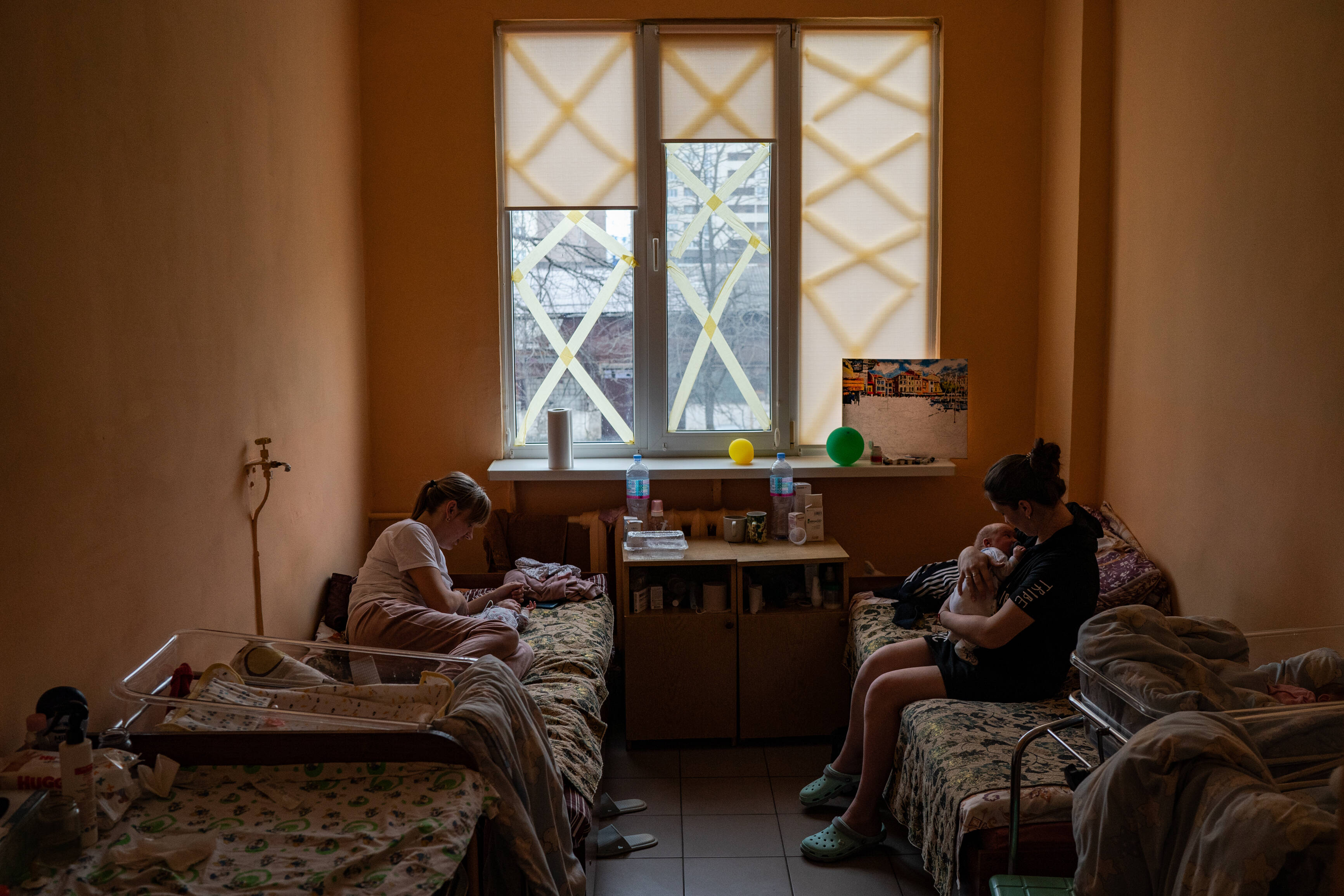 (Salwan Georges/The Washington Post) | On Thursday, women and children who had been evacuated from villages near Mykolaiv arrived in buses to the Odessa train station in hopes of traveling to western Ukraine to then seek safety in a neighboring country. Below, a family that was evacuated from Mykolaiv waits to board a train west. 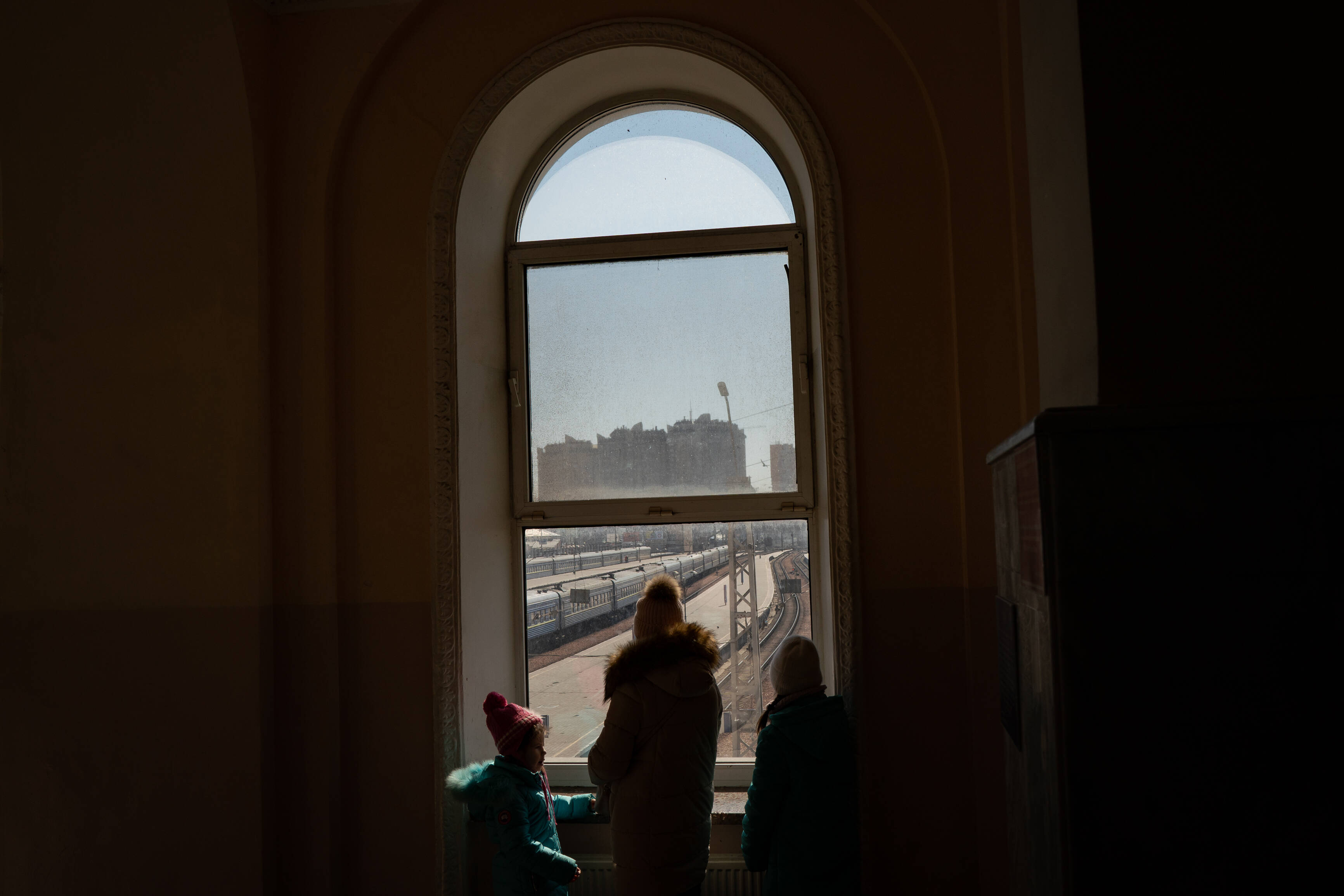 (Salwan Georges/The Washington Post) | On Friday, I visited the city's beach where hundreds of volunteers, like the ones below, continue to fill sand bags to be taken to the city center to be used for protection. In some ways, as the warships keep their distance from the city, life here seems to be slowly coming back. 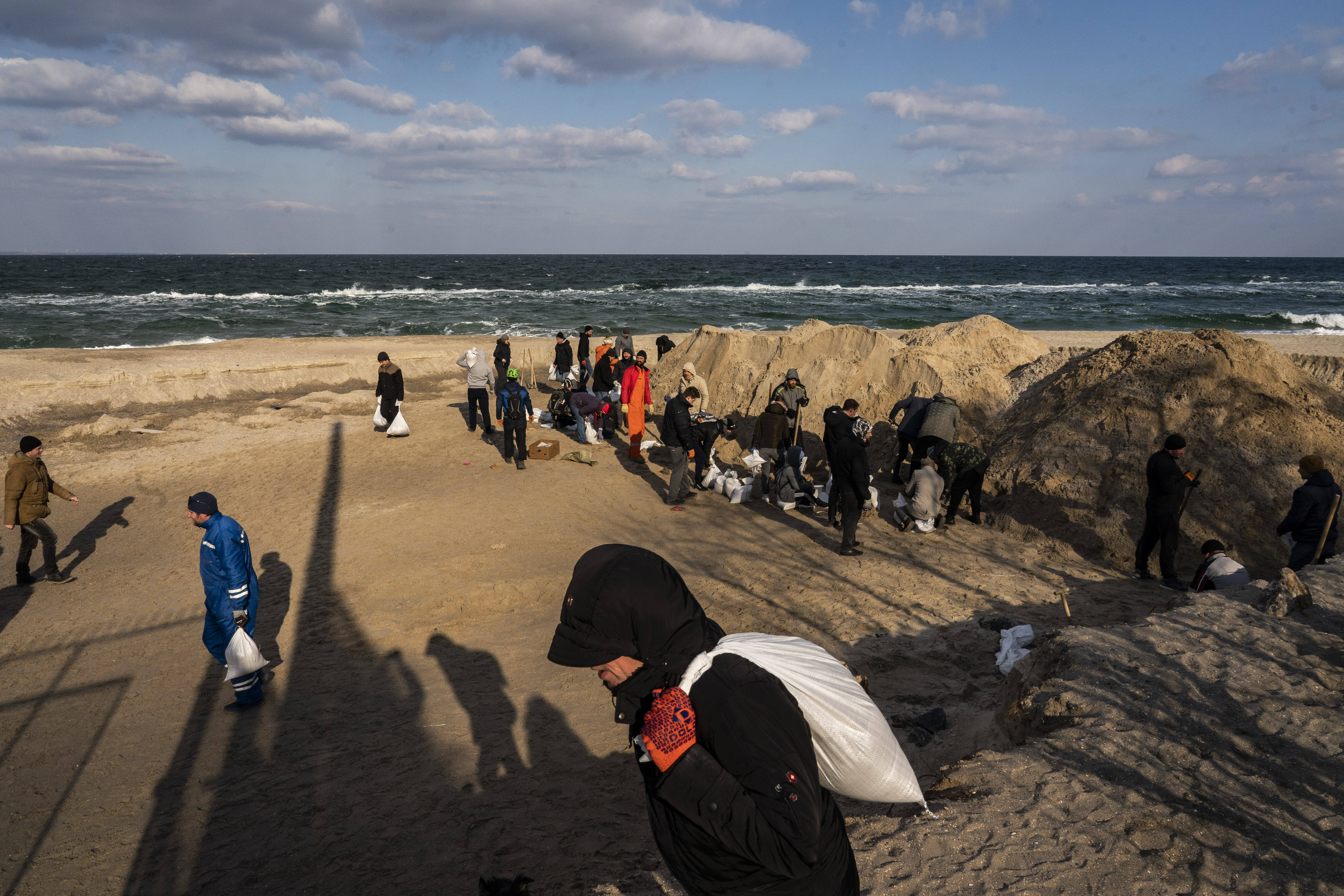 (Salwan Georges/The Washington Post) | I've been in Ukraine now for a little more than a month total and plan to stay another few weeks. The experience of covering this war up close has been personal for me. In every war, people are the victims — not the ones in charge of governments. As a former refugee and as a person who grew up in Iraq during the war in the '90s, I would never wish it on anyone. But that experience allows me to really connect with people, what they're feeling and how they're reacting.  Me. (Salwan Georges/The Washington Post) | | 




 Email
Email