| Happy Monday! I'm sure many of you are glued to the Winter Olympics, but as a Brazilian American, I usually have more to root for during the Summer Games.
Below: Why a federal tech agency isn't using facial recognition technology, and inside the Amazon unionization fight in Bessemer, Ala. But first: | State officials urge the SEC to probe whether Apple misled investors on nondisclosure rules | 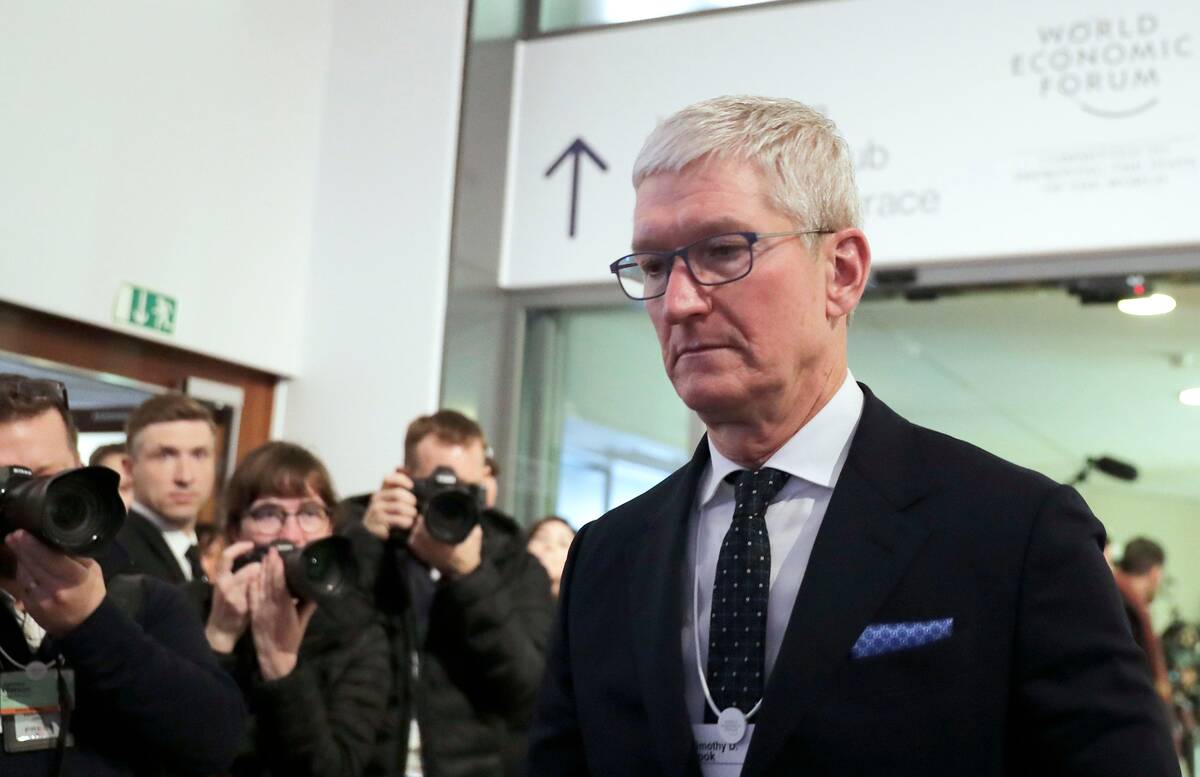 Apple, headed by CEO Tim Cook, will face a vote at its next shareholder meeting on its nondisclosure policies. (Markus Schreiber/AP) | | | A group of state treasurers is calling on the Securities and Exchange Commission to investigate whether Apple misled its investors and the agency about its use of nondisclosure agreements, which advocates say have long been used to silence mistreated workers. In a letter to SEC Chairman Gary Gensler, eight Democratic state treasurers questioned the veracity of Apple's recent statement to the commission that its policy "is to not use such clauses," known as concealment clauses. "Multiple news reports have stated that whistleblower documents demonstrate Apple uses the very concealment clauses it repeatedly claimed it does not use," they wrote last week in the letter, shared exclusively with The Technology 202. Pinterest whistleblower Ifeoma Ozoma, who helped organize the letter, told me Sunday that there "at the very least should be an investigation and, in my personal opinion, should be fines levied against the company for using a formal process to lie to a federal agency." The missive heightens scrutiny of Apple's treatment of its workforce ahead of an upcoming vote at its annual shareholders meeting that could require the tech giant to disclose any use of nondisclosure agreements (NDAs) to its investors. In December, the SEC rejected Apple's bid to exclude the proposal, which called on the company to prepare a public report to evaluate any risks "associated with its use of concealment clauses in the context of harassment, discrimination and other unlawful acts." Apple argued in a letter to the agency that it had "already substantially implemented the underlying concerns and objectives of the proposal." But workers have disputed the claims, and the SEC dismissed the company's assessment. Now, the state treasurers are calling for the SEC to step in and determine "whether or not Apple misled the Commission and investors about this matter." The letter is signed by treasurers from Rhode Island, California, Delaware, Iowa, Illinois, Washington, Colorado and Kansas. | | A spokesperson for Apple declined comment on the letter, and the SEC did not return a request for comment on the letter. Ozoma, who has advocated for greater worker protections against NDAs, said Apple has "straight out lied" to federal regulators and investors. Pinterest last year struck a $50 million settlement with Rhode Island State Treasurer Seth Magaziner stemming from allegations brought to light by Ozoma and fellow former employee Aerica Shimizu Banks that they faced racism and discrimination at the company. "The use of concealment clauses to silence employees who are victims of harassment or discrimination is not only unfair to those who are directly impacted, but also puts shareholders at risk by enabling poor workplace culture and making it difficult to attract and retain talent," Magaziner said Sunday of his latest effort to put pressure on Apple. Since then, Ozoma has become a top advocate in pushing for state and federal officials to take a harder stance against concealment clauses, including NDAs, non-disparagement agreements and forced arbitration clauses. But their progress has been hard fought. Ozoma and other advocates notched a major win in September when California signed into law the "Silenced No More Act," which bans companies from enforcing NDAs in cases of discrimination. But the protections are limited to California-based workers, and Ozoma said federal movement on the issue has been slow. "California was obviously the most important state that we could pass a bill like this. … But it's not the only state where these [tech] companies have workers, especially now with a pandemic and so much of the workforce being distributed and remote," she said. That's part of why Ozoma and state officials are hoping the SEC will take a more active role on the issue. In their letter, state treasurers urged the commission to follow California's lead and recommend that companies extend those protections "beyond California's workers." Ozoma, for her part, said she's not advocating for the SEC to craft new federal rules requiring companies to implement those guardrails — a job she said should be left to Congress. "I personally, as a student of government and as a policy professional my entire career, believe that rules should come first from the legislature," she said. Plus, she added, it would be more meaningful if the companies decided to take those steps proactively, rather than being forced to by the government. | | "I do believe that the most meaningful step that a company can take is voluntarily doing this," she said. | | |  | Our top tabs | | U.S. government's tech agency rejected facial recognition technology | 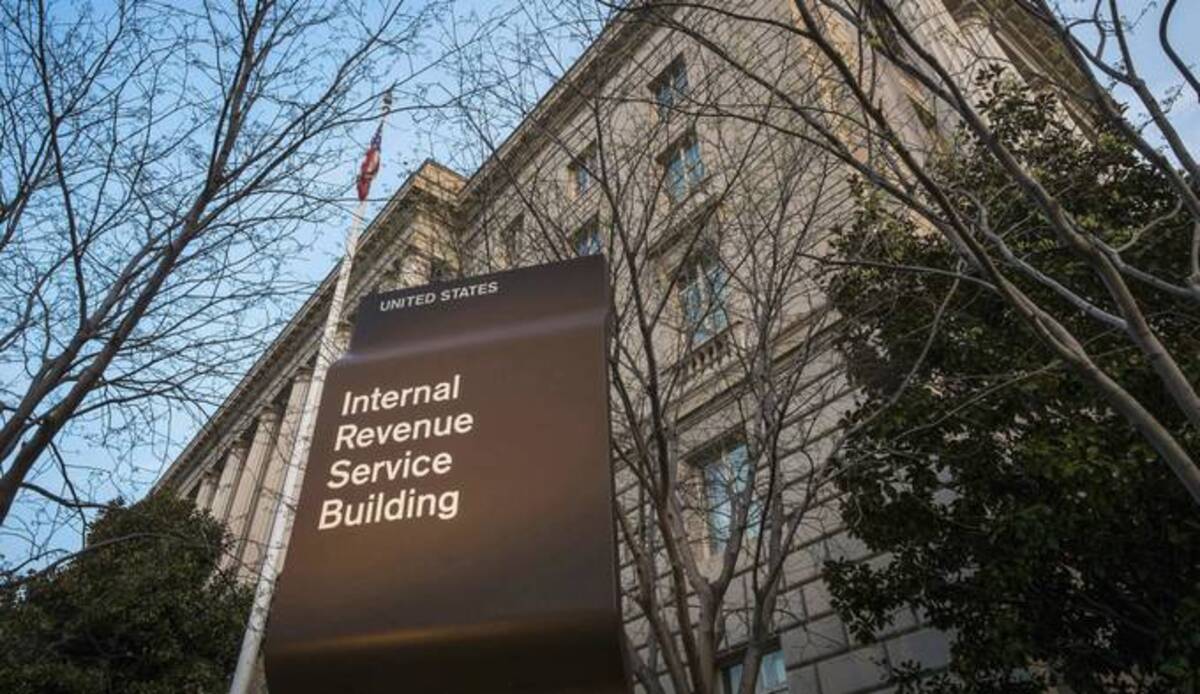 IRS officials told members of Congress that they're looking into alternatives to facial recognition. (J. David Ake/AP) | | | The General Services Administration, which oversees federal offices and technology, says it won't use the technology on its secure log-in service, Login.gov, because too many problems exist. The GSA's opposition to the technology underscores a wider tension within the federal government over face-scanning technology, which the Internal Revenue Service last year awarded an $86 million contract for, Drew Harwell reports. Privacy advocates have blasted the IRS's planned rollout of contractor ID.me's technology, which would require taxpayers to scan their faces in order for them to access their tax records online. "The contract stirred a firestorm because facial recognition systems are unregulated in the U.S. and have been shown in federal tests to work less accurately for people with darker skin," Drew writes. "Members of Congress and privacy advocates have also voiced concern that the systems could undermine Americans' privacy rights or unfairly disadvantage people without access to a smartphone, laptop camera or the Internet." IRS officials told members of Congress that they're considering another identity verification option that wouldn't use facial recognition, according to a Treasury Department official and two other people who spoke on the condition of anonymity because they were not authorized to speak publicly. They didn't specify the alternative during a Friday briefing to senators, two people familiar with the discussions said. | Organizers face uphill battle in Amazon's Alabama union fight | 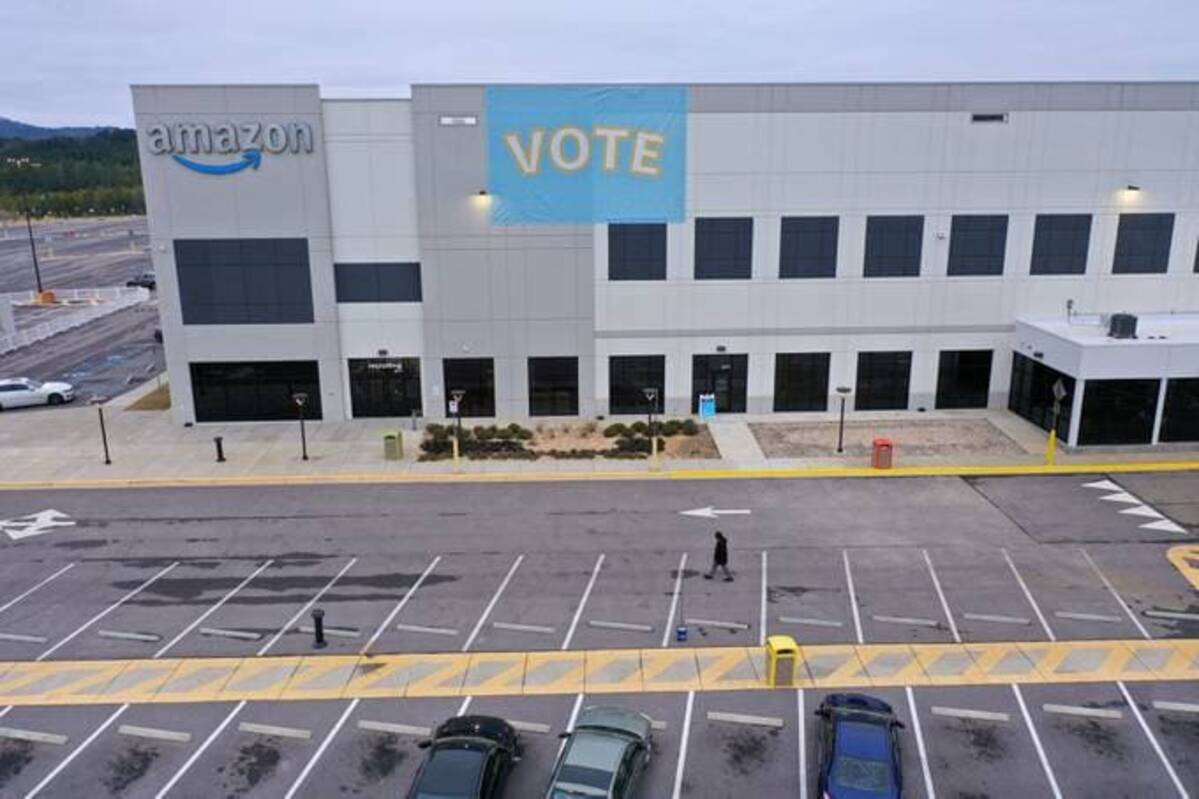 Amazon workers in Bessemer, Ala., have seven weeks to vote on unionization (Dustin Chambers/Reuters) | | | The National Labor Relations Board (NLRB) on Friday mailed ballots to Amazon workers, who have seven weeks to vote on whether the company's Bessemer, Ala., warehouse should unionize. The election is seen as a critical opportunity to unionize Amazon, the country's second-largest private employer, but warehouse workers in Bessemer are divided, Rachel Lerman reports. | | "Interviews with more than a dozen current and former workers … suggest that organizers face another uphill battle in a place where working at the BHM1 Amazon warehouse is still considered one of the best jobs in town, with a starting wage of more than $15," Rachel writes. "While some workers are weary of automated performance measures and near-constant monitoring, others are happy to have a job that offers competitive pay and perks such as health-care coverage and help paying for college tuition." It's the second unionization vote in Bessemer, where the NLRB found that Amazon had improperly interfered in the first election. Amazon workers overwhelmingly voted to reject unionization the first time around. Amazon continues to push against unionization at the warehouse, where it is holding mandatory classes during work hours to tell workers that the union may not result in raises, Rachel reports. Amazon spokeswoman Barbara Agrait said the company offers competitive pay and benefits and that it is employees' choice to join the union. (Amazon founder Jeff Bezos owns The Post). | White House science and technology leader apologized to his staff | 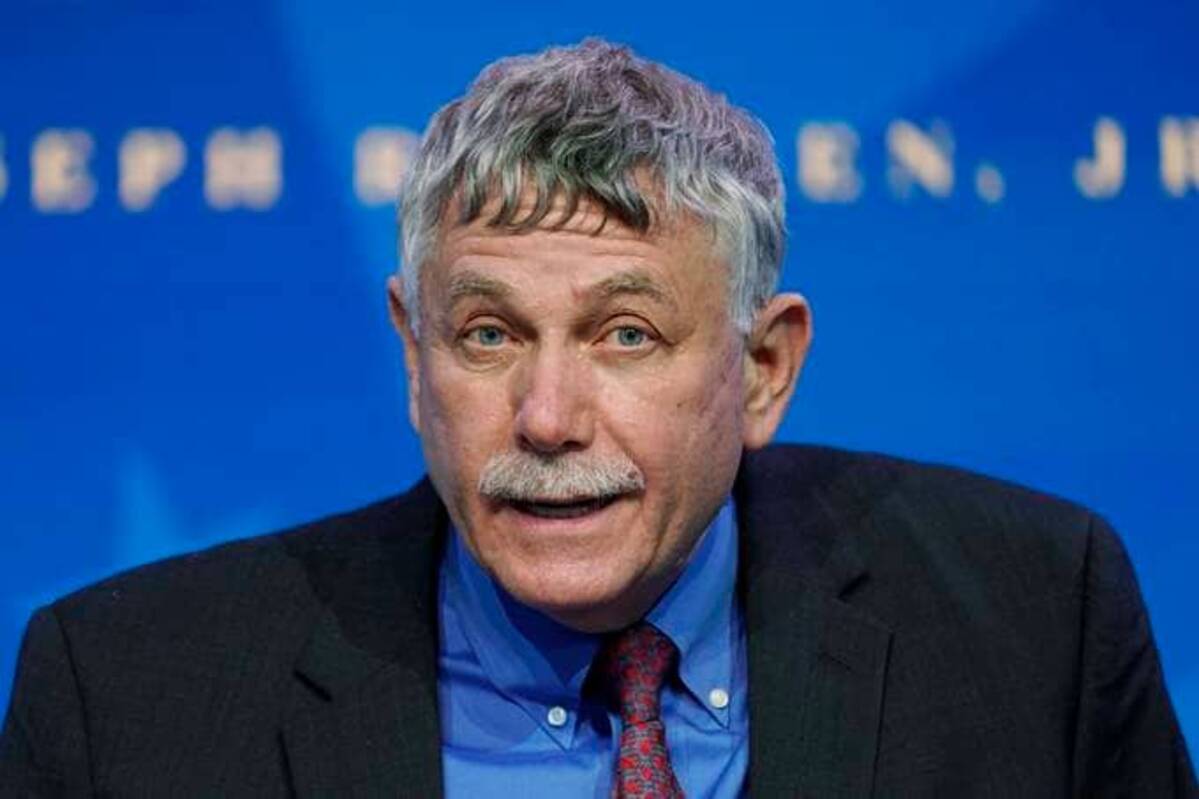 Eric Lander is President Biden's top science adviser. (Matt Slocum/AP) | | | Eric Lander, who leads the White House Office of Science and Technology Policy, apologized in an email for speaking to his colleagues in a "disrespectful and demeaning way," Politico's Alex Thompson reports. In his email, Lander noted that some staffers had been "asked about this," an apparent reference to a Politico investigation of how Lander has treated staff, Thompson writes. "It's my responsibility to set a respectful tone for our community. It's clear that I have not lived up to this responsibility," Lander wrote. "This is not only wrong, but also inconsistent with our Safe and Respectful Workplace Policy. It is never acceptable for me to speak that way. I am deeply sorry for my conduct. I especially want to apologize to those of you who I treated poorly or were present at the time." The White House did not respond to a request for comment from Politico. | | |  | Rant and rave | | | Twitter is testing a new feature "making it easier" to send a direct message to the author of a tweet you want to reply to. Twitter users don't seem to think it's a particularly good idea. Sky News's Sharon Marris: | | Hull Live's Susie Beever: | | Twitter responded to some of the criticism: | | |  | Inside the industry | | | |  | Workforce report | | | |  | Competition watch | | | |  | Daybook | | - Facebook whistleblower Frances Haugen discusses social media's impact on teenagers' mental health at a Georgetown University School of Medicine and School of Nursing & Health Studies event Monday at 3 p.m.
- Three FCC commissioners, including chairwoman Jessica Rosenworcel, lawmakers and others speak at the 2022 INCOMPAS Policy Summit on Tuesday.
- Tim Wu, a special assistant to President Biden, discusses antitrust and its effects on workers at a New America event on Tuesday at 3 p.m.
- The Senate Agriculture Committee holds a hearing on digital assets on Wednesday at 10 a.m.
- The Senate Commerce Committee holds a nomination hearing for Gigi Sohn, Biden's nominee for FCC commissioner, on Wednesday at 10 a.m.
- FTC Chair Lina Khan delivers a lecture on competition on Wednesday at 8 p.m.
- The Senate Judiciary Committee is expected to discuss the EARN IT Act at a meeting Thursday at 9 a.m. The bill, which would remove social media sites' liability protections when users share child pornography, has come under fire from encryption and privacy advocates.
- Consumer Financial Protection Bureau director Rohit Chopra discusses consumer protection in the era of Big Tech at a Washington Post Live event Thursday at 10 a.m.
| | |  | Before you log off | | | That's all for today — thank you so much for joining us! Make sure to tell others to subscribe to The Technology 202 here. Get in touch with tips, feedback or greetings on Twitter or email. | |