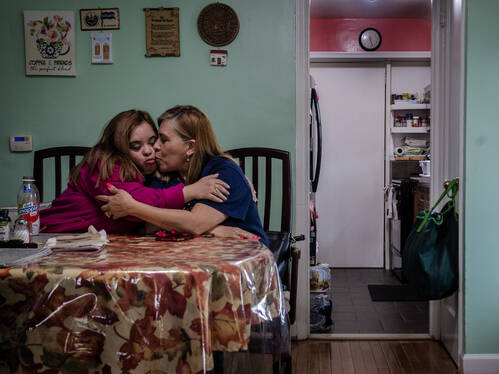
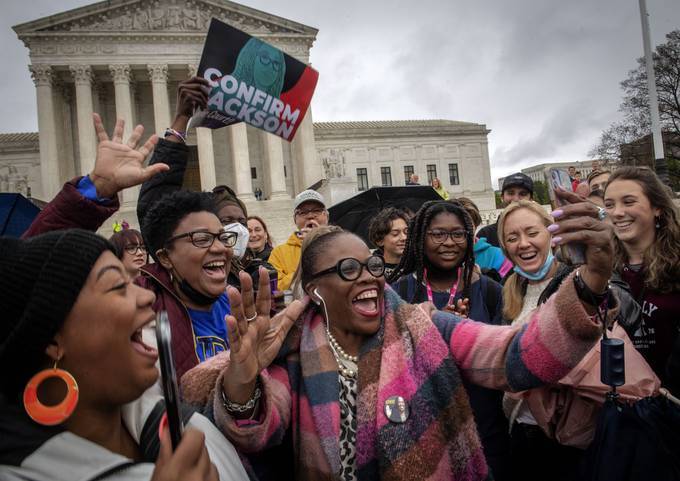
| Earlier this week, we released the first three episodes of "Broken Doors" — our new investigative podcast about no-knock warrants, the controversial tactic that allows police to force their way into homes without warning. This series looks at how easy it is to carry out one of the most intrusive and dangerous forms of policing — and what happens when accountability is flawed at every level. I started this investigation with Nicole Dungca after Louisville police killed Breonna Taylor during a botched drug raid two years ago. Her death sparked a national reckoning over these warrants. Forced-entry searches are risky: They usually involve police showing up in the middle of the night and breaking down the door with a battering ram. It's been a fascinating journey — and one of the most challenging and inspiring projects I've worked on in my 20+ years as a journalist. I'm a document nerd. I print everything out. So taking on a podcast completely changed how I approach my reporting, and for the better. We used our traditional reporting tactics, like requesting and reviewing thousands of documents from across the country and analyzing the Post's Fatal Force database that tracks every fatal police shooting since 2015. But the real reporting adventure began when I traveled with senior supervising audio producer Reena Flores to Monroe County, Miss., where no-knocks were the rule, rather than the exception. In Episode 1, we dive into the story of Bengie Edwards. We found extraordinary tape that revealed why deputies hurled a battering ram into his door. I originally got a written transcript of that tape. But hearing the recording made me realize just how powerful audio storytelling can be. Reena and I also obtained several secret recordings. One of them is at the heart of Episode 2. The tape offers a raw, intimate look at something you rarely hear when reporting on law enforcement: It's a family confronting a sheriff just hours after deputies killed their loved one in a drug raid in the middle of the night. It was another no-knock, not too far from where Bengie lived. Ricky Keeton's family didn't just have great audio recordings. His daughter Robbie had every document and CD from her family's lawsuit in a black filing cabinet on wheels. And this document nerd was very excited. I also brought my own records along to Mississippi. The survivors of no-knocks had never seen the search warrants that led deputies to force their way into their homes. So I showed them. In Episode 3, we interviewed the judge who kept approving no-knock warrants in Monroe County. Then I had the most awkward moment of my reporting career with the sheriff who waged a war on drugs. Reena helped me navigate that situation and recorded it all. That's how we got the title for Episode 3: "You're interrogating me." Learning how to podcast during a pandemic meant spending a lot of time in my closet — the quietest spot to record quality audio. If you've seen "Only Murders in the Building," you know what I'm talking about. 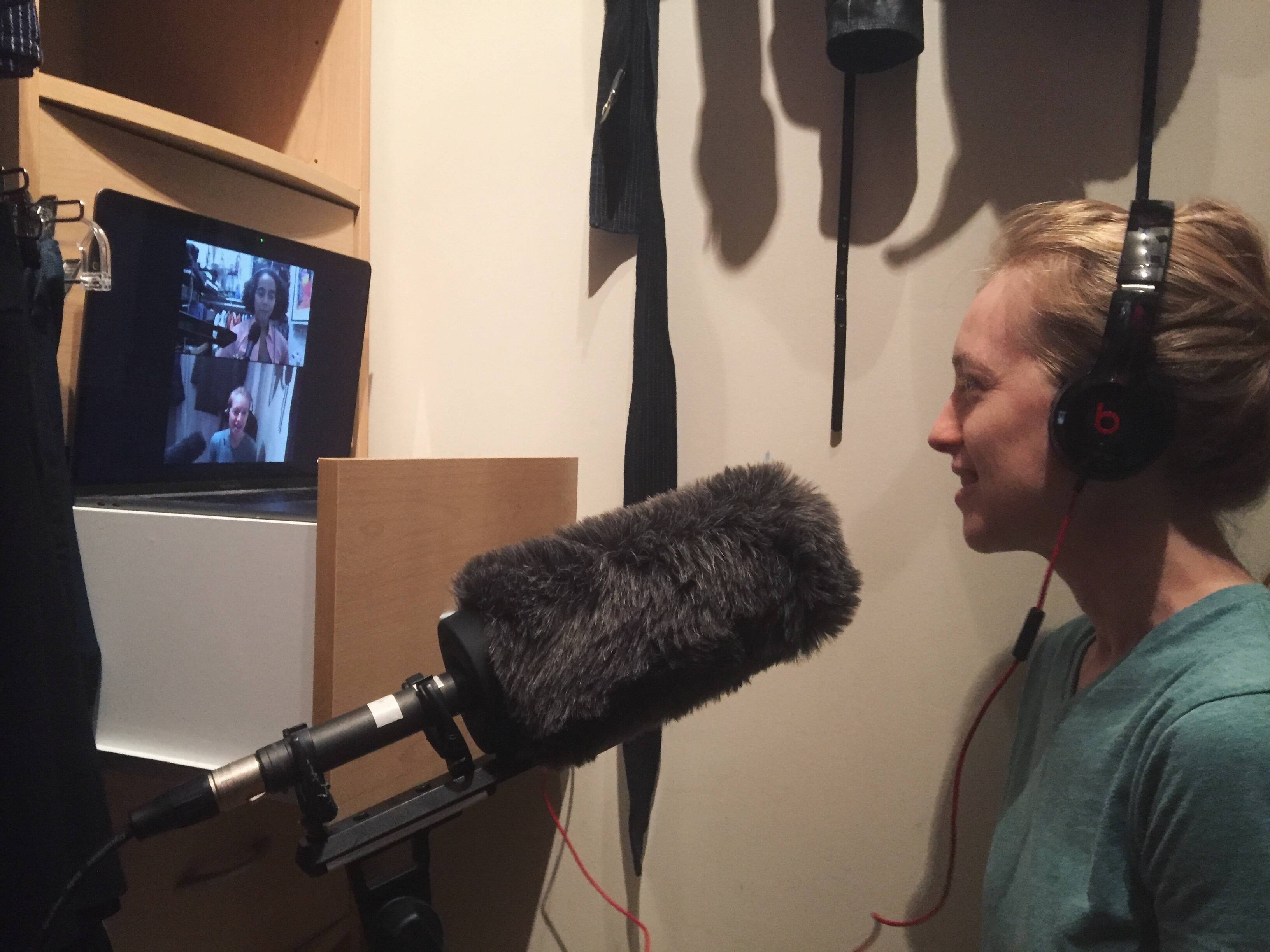 Jenn in the closet. (Reena Flores) | Nicole had a smaller closet, so she ended up with a blanket fort. 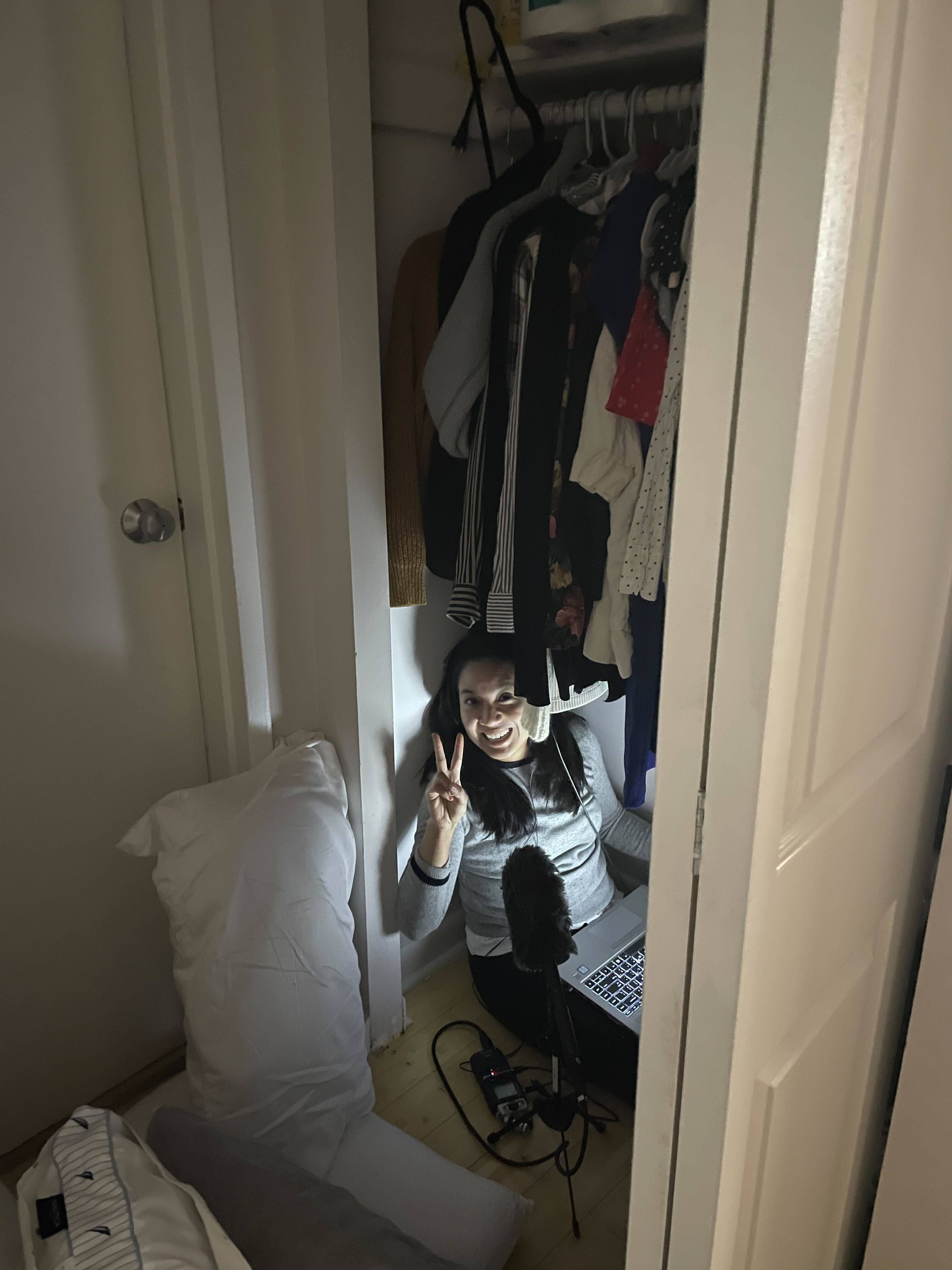 Nicole in the closet. (Couresy of Nicole Dungca) | Luckily, our office reopened so we did our final recording in real studios. 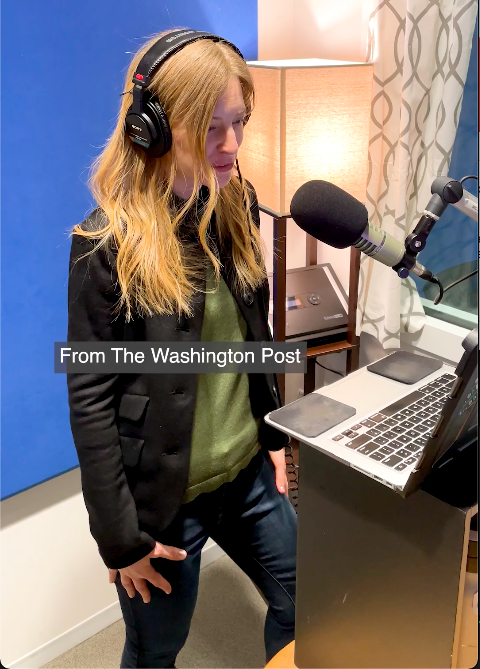 Jenn in the Post studio. (Dave Jorgenson) | You can binge the first three episodes of "Broken Doors" now — about our investigation into the alleged corruption in Monroe County and how no-knock warrants enabled it. Stay tuned for more episodes in the coming weeks as Nicole and I take you around the country to examine other deadly no-knock raids.  (Katty Huertas for The Washington Post) No-knock warrants allow police to force entry. The Broken Doors podcast investigates how this high-risk tactic is used in the American justice system. Hosted by Jenn Abelson and Nicole Dungca ● Read more » |    | | | | The former president struck a defiant posture and repeated false claims in an interview with The Washington Post. Exclusive ● By Josh Dawsey ● Read more » | | | | | 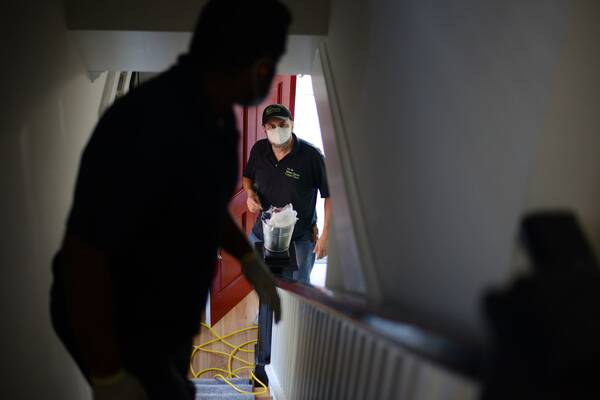 (Astrid Riecken for The Washington Post) In a city where diplomats and embassies abound, where interpreters can command six-figure salaries, where language proficiency is résumé rocket fuel, Vaughn Smith was a savant with a secret. By Jessica Contrera ● Read more » | | | | | | Few gatekeepers to the U.S. financial system operate with as little oversight as the registered agents who serve as the only publicly known contact in states that allow company owners to remain anonymous. By Debbie Cenziper, Will Fitzgibbon, Emily Anderson Stern, Michael Korsh and Alice Crites ● Read more » | | | | | | Nearly 30,000 babies had their names changed during the past five years. Perspective ● By Sarah Fowler ● Read more » | | | | | 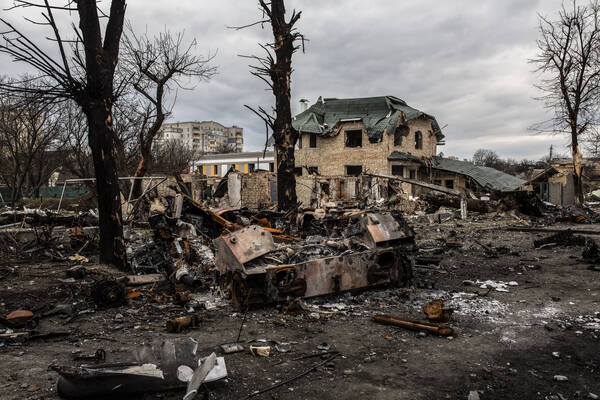 (Heidi Levine for The Washington Post) Police, local officials and regular citizens start the grim task of clearing Bucha of the hundreds of corpses decomposing on streets and in parks, apartment buildings and other locations. By Max Bearak and Louisa Loveluck ● Read more » | | | | | | As the world enters a third year of life with the coronavirus, many older Americans realize they have lost something they can't get back: time. By Allyson Chiu ● Read more » | | | | | After a gas explosion rocked the Friendly Garden Apartments in Maryland, 161 people were left displaced, most of them low-income immigrants. By Rebecca Tan ● Read more » | | | | A study finds that Instagram failed to act on 90 percent of abuse sent via direct message to five high-profile influencers on the platform, including actress Amber Heard. By Taylor Lorenz and Elizabeth Dwoskin ● Read more » | | | | | | Josh Hawley, Marjorie Taylor Greene and Madison Cawthorn did their best, but there's no getting around the fact that womanhood is a complex thing to define. Perspective ● By Monica Hesse ● Read more » | | | | | | 




 Email
Email