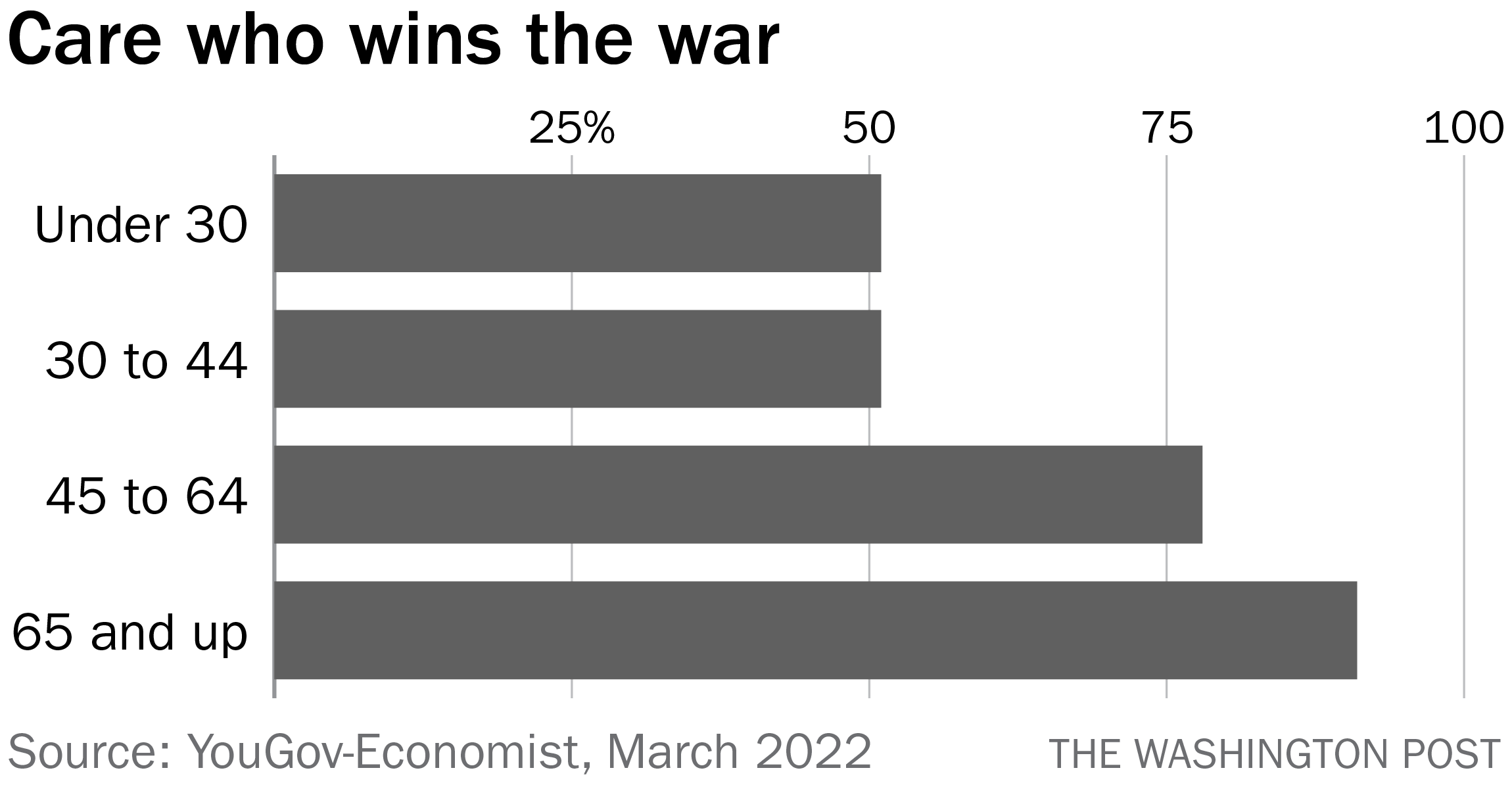
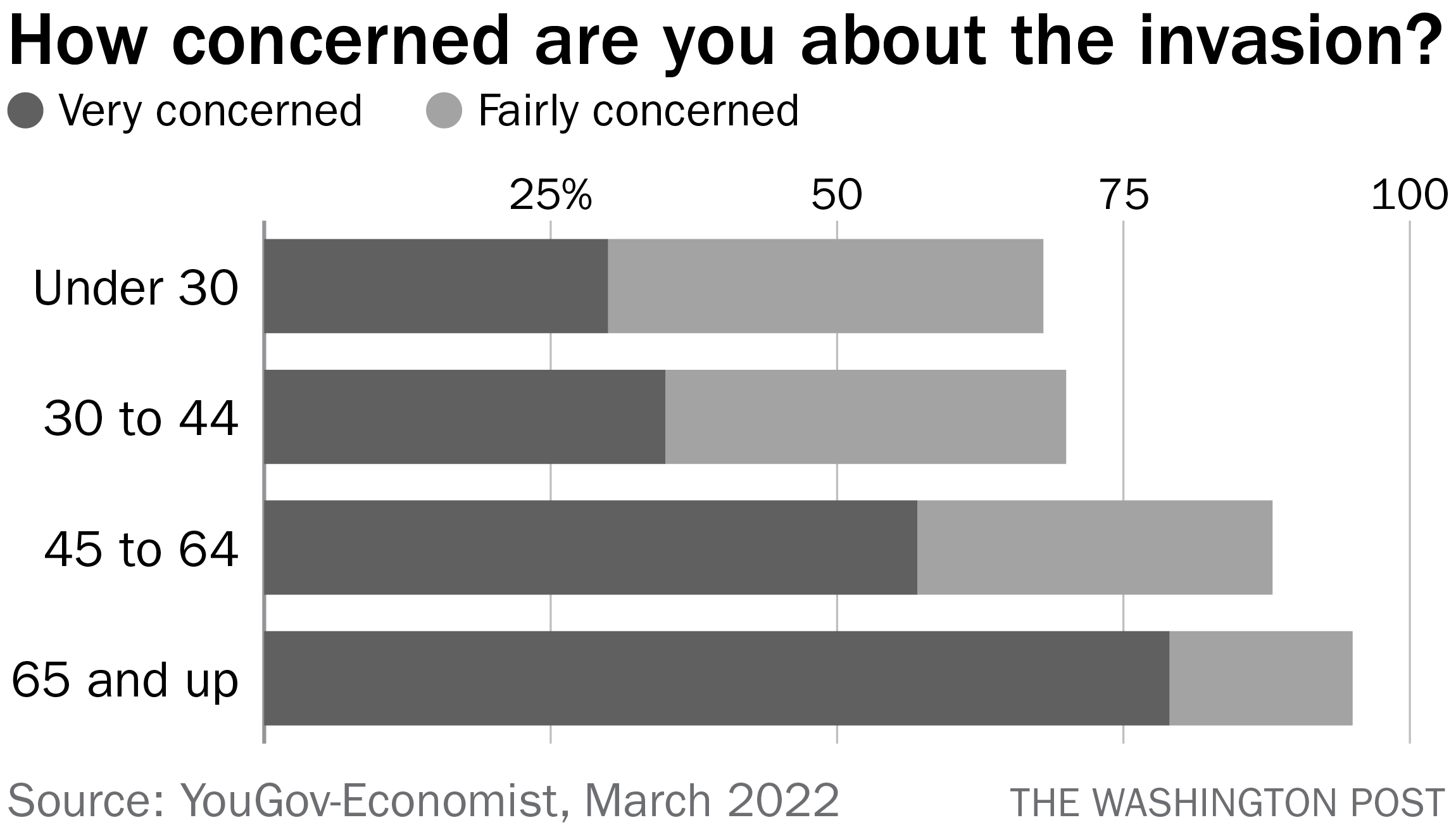
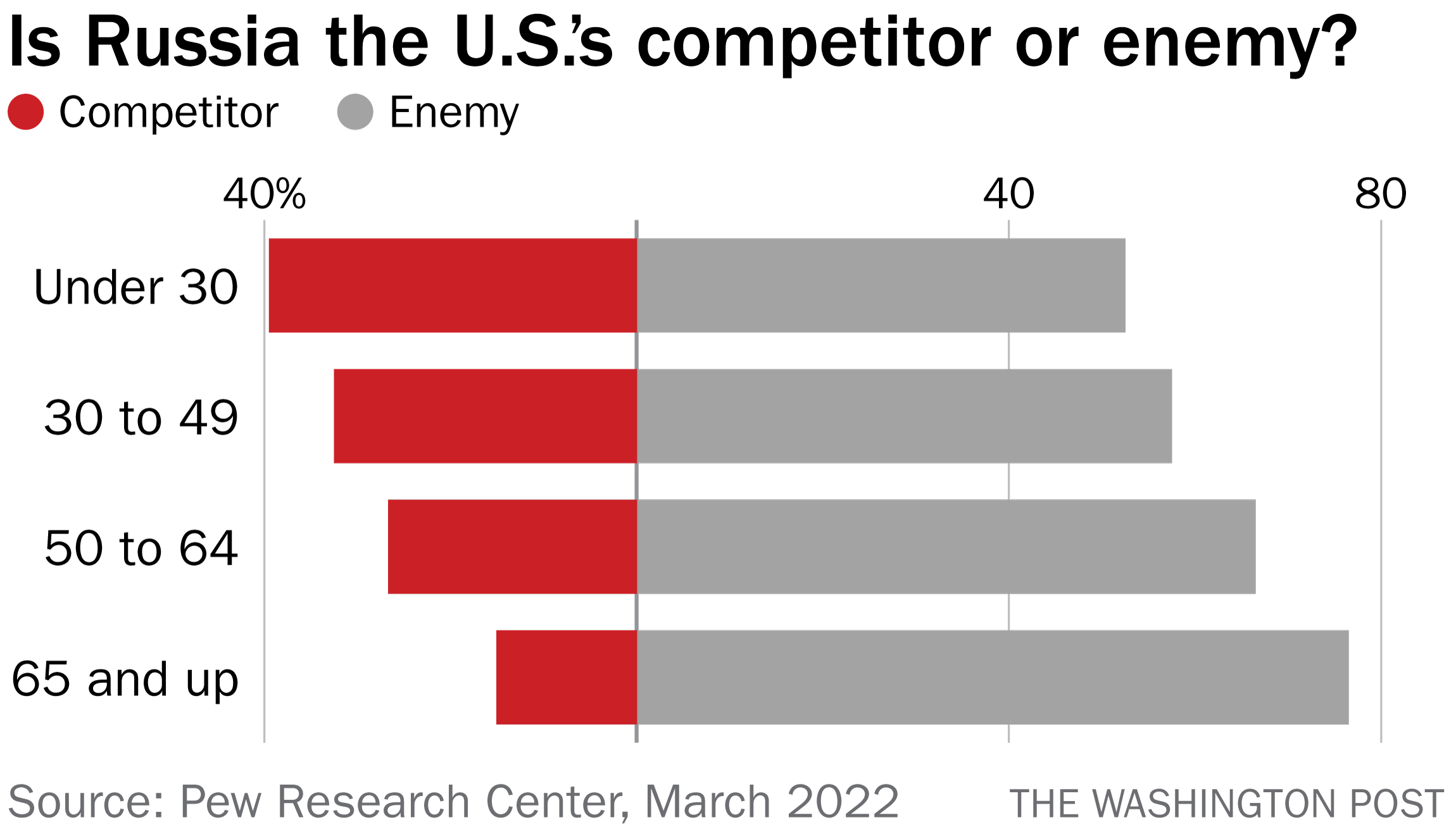
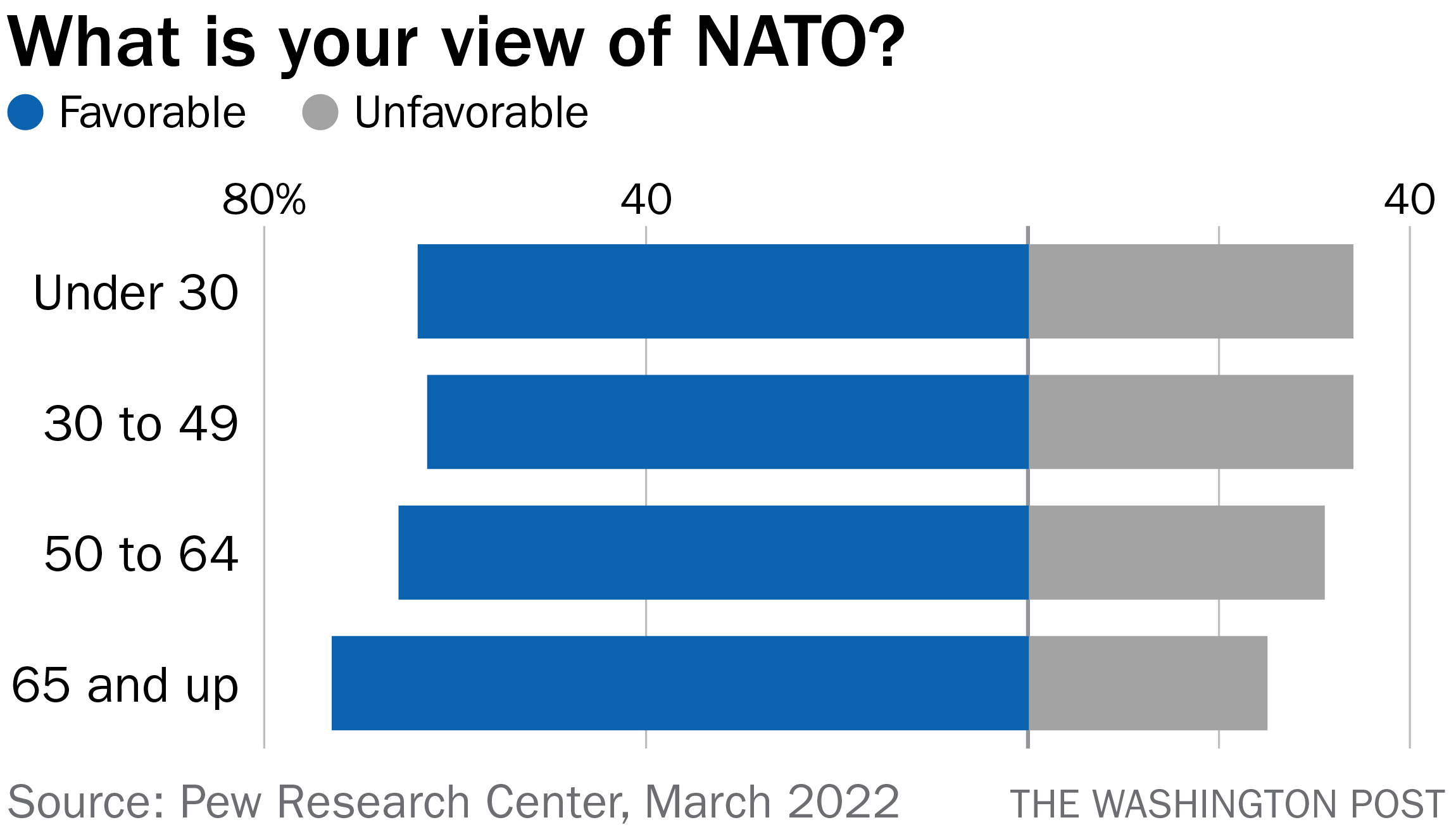
| Did a small child born in the 1990s forward this to you? Sign up here. I guess we're far enough along with this newsletter that I can make a confession: I am a member of Generation X. Not really, of course, in the sense that "Generation X" isn't really a thing. The only thing that is a thing is the baby boom, according to demographers, since that generation is actually defined by real, measurable boundaries. I wrote a book on the baby boom (stay tuned!), so I tend to be pedantic about this, but I still like to qualify any mention of any "generation" that isn't the baby boom with a lengthy qualifier about the nature of generations and perhaps to put the word "generation" in scare quotes a few times. I raise my age because it's pertinent to the subject at hand. I am of a generation where, when I was a kid, we heard a lot about nuclear war — and then, one day in high school, that wasn't something to worry about anymore. This is oversimplified, of course, as is everything in some way, but it's a fair encapsulation of my particular experience. I knew about the Cold War in a very pop-culture-y sort of way, playing crummy BASIC computer programs meant to emulate the movie "War Games" and such. Then we learned that the Soviet Union was breaking apart and that was that. The net effect for us in practical terms was that geography tests suddenly got harder. We were the youngest Americans to experience the Cold War firsthand. Again, not really; I at no time flew a U-2 plane over Kamchatka or anything. But when we played good guy/bad guy games, the bad guys were Russians and not terrorists. And now we come to a chart. This is via the Economist, which conducts regular, detailed polling with YouGov. (An aside: It's really great polling with lots of questions and trends over time. Go look.) How to read this chart? Fairly simple. I wanted to balance sympathy for Ukraine on one side with sympathy for Russia on the other, but the "neither"s made that slightly more complicated. So I made "neither" the middle point, preserving (I hope!) the sense of balance. You should perceive, then, that sympathy for Ukraine is far higher with older Americans than younger ones. Younger Americans still sympathize with Ukraine on net, but it's far more lopsided as you get older. Bringing me to my thesis. Part of reading a chart, of course, is understanding the implications of the chart. So: This is a graph of familiarity with the Cold War. I can't prove that empirically here, but the dates line up. If you are 29 or younger, you were born in 1993 or later, meaning after the Soviet Union collapsed in 1991. If you are aged 30 to 44, you were probably born sometime between 1978 and 1992, meaning that you probably no more than a preteen when that collapse occurred. Perhaps you similarly grew up with Russians as America's default enemy, but not in the same way. This pattern of relative — relative! — antipathy carries over into other questions as well. For example, the vast majority of those aged 65 and up care who wins the war in Ukraine. Barely half of younger people do. If you're at least 65, you were born in 1957, a few years after the end of the Korean War. To belabor the point, here is another chart from that same poll. (One cannot have too many charts, which would be a fine motto for this newsletter.) Perhaps this is specific to YouGov's methodology, you may be thinking. Well, as always, I am one step ahead of you. (Now you're thinking: Well, that's not really true. I know this because I am still a step ahead of you.) On Thursday, though, Pew Research Center released polling that demonstrates the same effect. Is Russia the United States' enemy? Absolutely! scream baby boomers. Eh! scream millennials. That poll included a related assessment: Did respondents view NATO favorably or not? Again, the generation that grew up with NATO serving as a direct response to Russian power was more likely — relatively! — to say that they viewed the organization favorably. Interrogating my own opinion of this, I realize I'm conflicted. My first response was that the kids, those 30-year-old teenagers born in 1992, simply don't get it. How do they not similarly view Russia as problematic? But then my second thought: Well, maybe I don't get it? And then I remember that Seymour Skinner has already addressed this question. 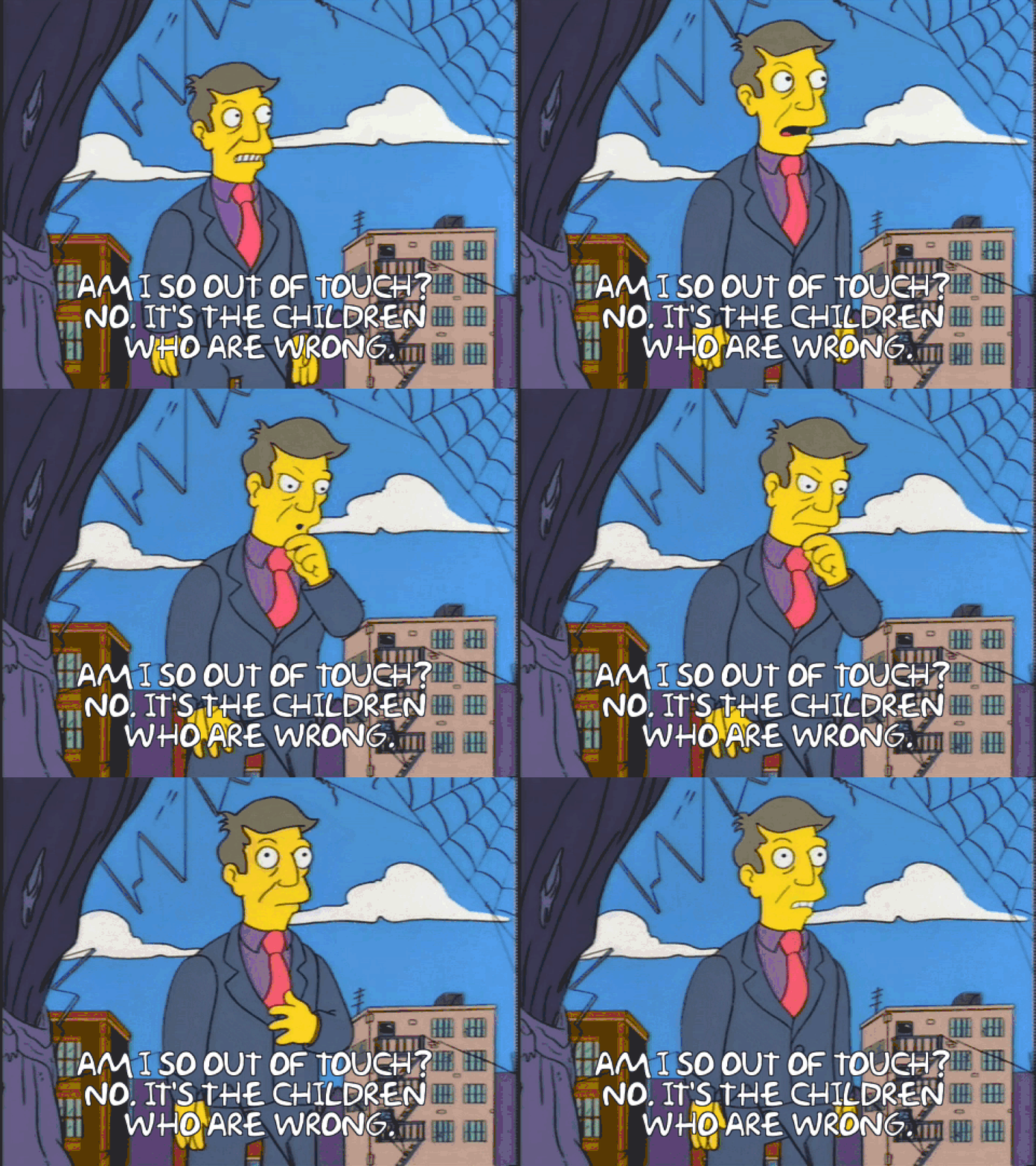 Via the incredibly useful Frinkiac.com. | I know who Seymour Skinner is because I am a member of "Generation" X. | 



 Email
Email