| Happy Tuesday! Below: Gig workers have been hit hard in Russia, and the Supreme Court rules on two tech cases. First: | Why encryption can be a matter of 'life or death' in Russia, Ukraine | 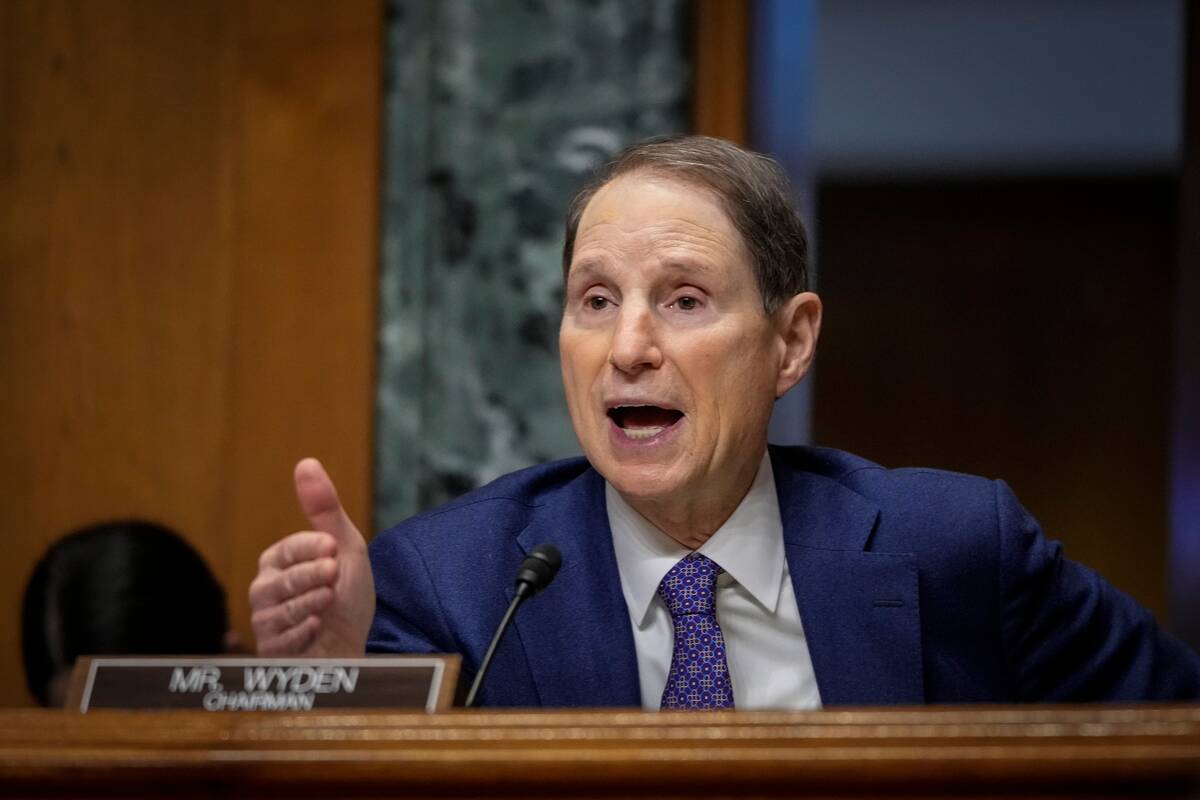 Sen. Ron Wyden (D-Ore.) is a top privacy advocate on Capitol Hill. (Drew Angerer/Getty Images) | | | As Russia launched its war in Ukraine, digital messaging services touted privacy features like encryption to ensure users their communications would be protected in the face of potential government surveillance by the Kremlin. But those assurances are now coming under scrutiny from lawmakers and privacy advocates who say that top companies, namely Telegram, have overpromised or underdelivered in their pledges to keep users' messages safe in Ukraine and Russia. Technology experts and privacy advocates say the protections are crucial to secure sensitive online discussions during wartime, when governments may look to crack down on protesters, squelch dissent or use surveillance to aid in military operations. After Russia invaded last month, downloads of messaging apps, like Signal and Telegram, that offer encryption surged as users looked for safe channels to communicate. Since then, other major tech companies have responded to security concerns by expanding their use of encrypted messages. Instagram parent company Meta said last week that the platform will offer users in Russia and Ukraine the option to encrypt their direct messages. But key apps are drawing criticism for requiring that users opt in to encrypt their messages and for offering limited or no protection. Chief among them: Telegram. The messaging service, which is massively popular in both Russia and Ukraine, offers encryption on some but notably not all of its services. Users can choose to use "secret chats" that are encrypted, but it's not the default way to communicate. And the same protections don't extend to group chats, a popular feature that can put thousands of users in touch at once. | | Despite those limitations, Telegram is often referred to as an "encrypted" service and billed as a top platform for safe and secure private messaging, to the chagrin of some. Eva Galperin, director of cybersecurity at the Electronic Frontier Foundation: | | Signal founder Moxie Marlinspike, whose rival messaging service does offer end-to-end encryption by default, swiped at Telegram as the Russian invasion was kicking off. Now, one top U.S. lawmaker is renewing calls for Telegram and other tech companies to expand their privacy protections, citing concerns about the safety of users in Europe. In a series of tweets last week, Sen. Ron Wyden (D-Ore.) took aim in particular at Telegram and Twitter, which he said had indicated it was working on encrypted messaging but never delivered. | | Wyden told The Technology 202 on Monday that Telegram has "benefitted from the press routinely describing it as an 'encrypted messaging app' " and that it has "lulled Telegram's users into a false sense of security." Wyden said encryption protections are akin in digital safety to a "seat belt in a car," and he called it "dangerous and irresponsible for Twitter to offer its direct messaging service to users in authoritarian countries without end-to-end encryption." | | Telegram did not respond to requests for comment on Wyden's remarks. Twitter declined to comment. Coding language discovered in 2018 revealed that Twitter was developing an encrypted messaging feature. Wyden said former Twitter CEO Jack Dorsey confirmed to him that the company was working on it during a private meeting that same year, but the plans never fully materialized. Encryption isn't the only security tool that advocates are pressing companies to beef up amid the invasion in Ukraine. Privacy advocates, including Wyden, say features allowing users to automatically delete messages after a certain period of time are a critical tool that limits surveillance of past exchanges. Like automatic end-to-end encryption, Wyden said, "This feature could mean the difference between life and death." | | |  | Our top tabs | | Russian gig workers are losing their livelihoods | 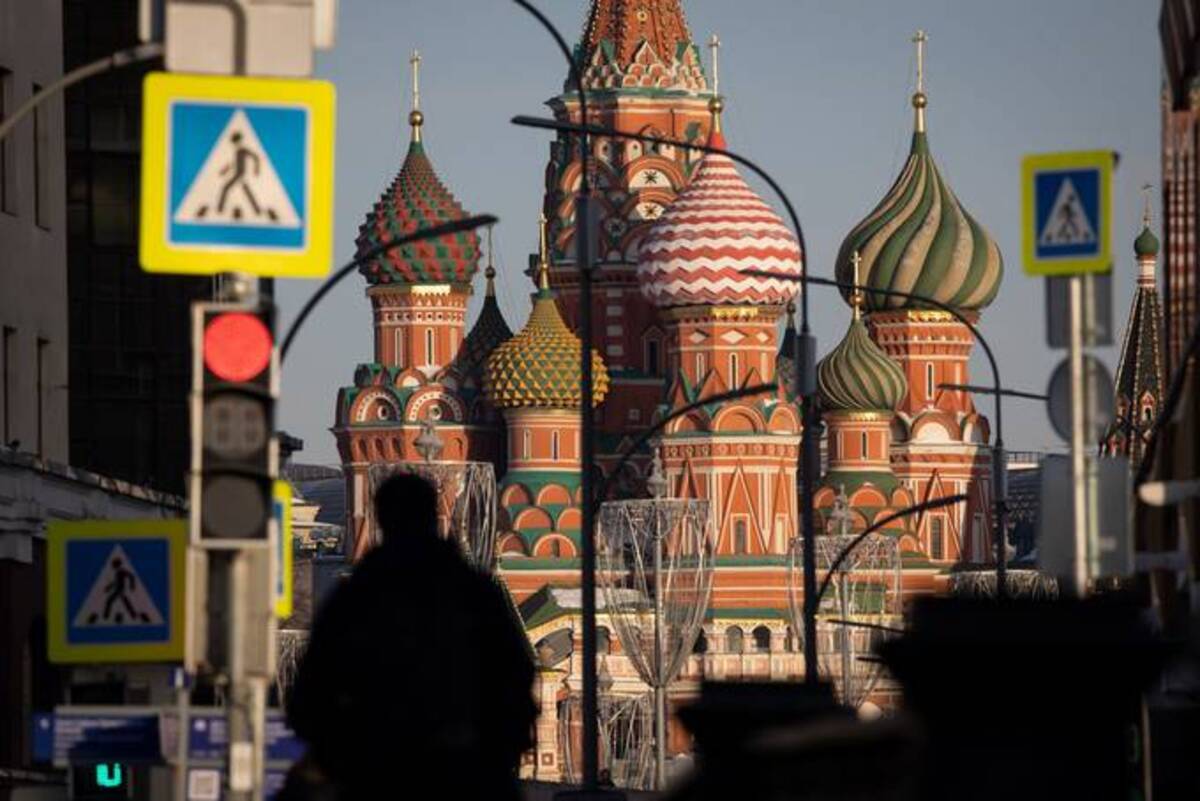 Russian citizens are being hit by tech companies' decisions to pull out of Russia. (Andrey Rudakov/Bloomberg News) | | | Tech companies' decisions to pull out of Russia have affected tens of thousands of Russian video game streamers, gig workers, sex workers and computer programmers, Nitasha Tiku and Gerrit De Vynck report. The impact on Russian citizens shows how U.S. tech companies haven't developed coherent policies or allegiances in the event of international conflicts, even as their products are adopted by people worldwide. "Much of the pressure on tech companies to cut off Russia has come from Ukraine's minister of digital transformation, Mykhailo Fedorov, who has led a campaign on social media and through a network of Ukrainian expats to convince Western companies to cut off business in Russia in order to put more pressure on the government," Nitasha and Gerrit write. | Supreme Court unloads two tech decisions | 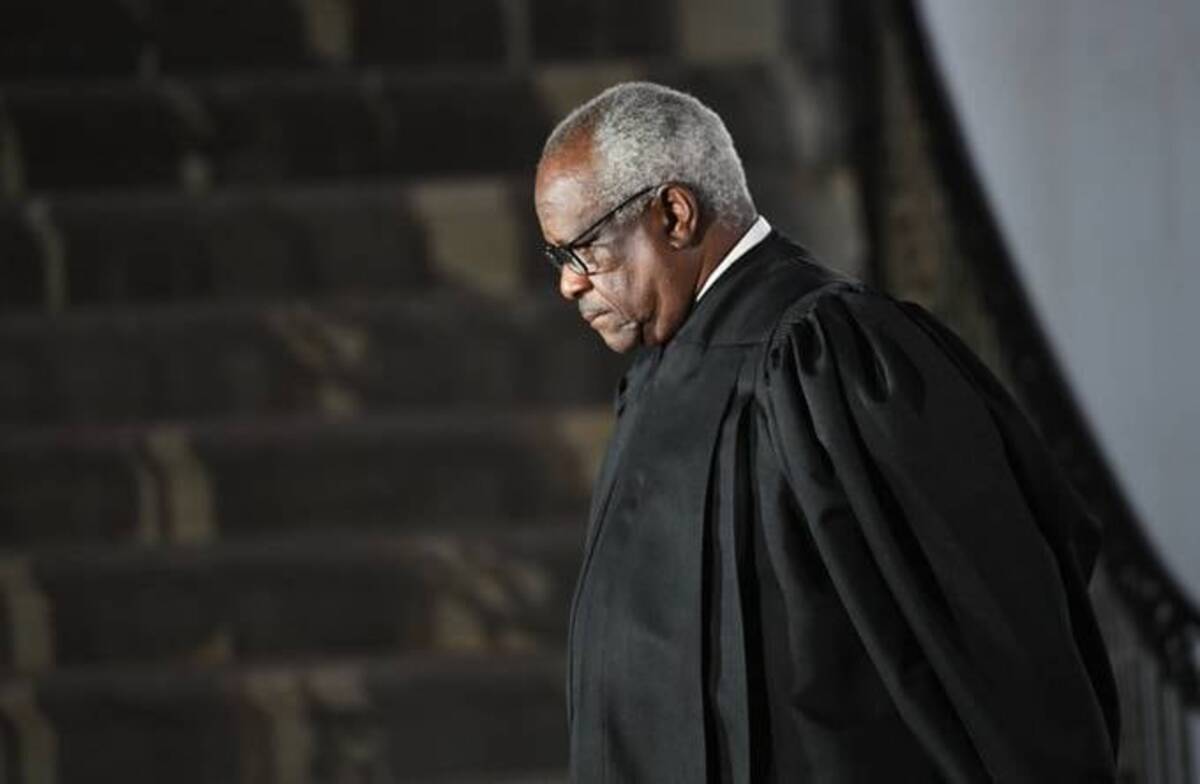 Justice Clarence Thomas called on the court to address the scope of Section 230. (Jonathan Newton/The Washington Post) | | | The high court declined to hear Google's challenge of a lawsuit that accused the company of making false or misleading statements to federal regulators after it didn't report the exposure of data belonging to around 500,000 users of its Google+ social network, Reuters's Lawrence Hurley reports. Google eventually shut down Google+. "The San Francisco-based 9th U.S. Circuit Court of Appeals in June 2021 decided that the lawsuit raised a 'strong inference' that Alphabet's then-Chief Executive Larry Page and his successor, Sundar Pichai, knew about the problem and an internal memo on security matters but intentionally concealed the information from investors," Hurley writes. In other Supreme Court news: Supreme Court Justice Clarence Thomas again argued that the court should take up Section 230, which offers broad legal immunity to Internet companies. Thomas, who agreed that the Supreme Court shouldn't have taken up a case involving Facebook parent Meta, wrote that "we should, however, address the proper scope of immunity under §230 in an appropriate case," Protocol's Ben Brody reports. Thomas has repeatedly waded into the debate over how to regulate the tech industry, arguing that Section 230 has been interpreted too broadly by U.S. courts. | Developers can't advertise their apps on Apple's Russian App Store |  Apple previously stopped selling its products in Russia after the country's invasion of Ukraine. (Yuri Kochetkov/EPA-EFE/Shutterstock) | | | Apple's move to suspend the service known as "Search Ads" in Russia comes days after it stopped selling its products in the country, Bloomberg News's Mark Gurman reports. Apple also removed state media outlet apps RT News and Sputnik News from its App Stores outside of Russia and disabled some features on Apple Maps in Ukraine. "Apple Search Ads has been suspended on the App Store in Russia until further notice," the company told developers in an email, according to Gurman. "All Apple Search Ads campaigns running on the App Store in Russia have been placed on hold, and no new campaigns will be eligible to run on the App Store in Russia for the duration of the suspension." | | |  | Rant and rave | | | Instagram has removed the Boomerang and Hyperlapse apps from app stores, though Instagram can make Boomerangs in Stories. Our colleague, Will Oremus: | | Journalist Casey Newton and writer and director Lauren Meyering: | | The Boomerang email app is also celebrating. Co-founder Alex Moore: | | |  | Agency scanner | | | |  | Competition watch | | | |  | Inside the industry | | | |  | Privacy monitor | | | |  | Hill happenings | | | |  | Workforce report | | | |  | Trending | | | |  | Mentions | | - George Slover joined the Center for Democracy and Technology as its general counsel and senior counsel for competition policy. He previously worked as Consumer Reports's senior policy counsel and worked on antitrust issues on the House Judiciary Committee and at the Justice Department.
- Rina Pal-Goetzen joined the Semiconductor Industry Association as director of global policy. She was previously general counsel at 3D printed microTEC.
- Rick VanMeter is the Coalition for App Fairness's new executive director. He takes over from Meghan DiMuzio.
| | |  | Daybook | | - The FCC holds a public hearing on broadband Internet labels on Friday at 1:30 p.m.
| | |  | Before you log off | | | That's all for today — thank you so much for joining us! Make sure to tell others to subscribe to The Technology 202 here. Get in touch with tips, feedback or greetings on Twitter or email. | |


