 | | Maxine Joselow | | | Good morning and welcome to The Climate 202! If you live in the D.C. area, we hope you got to check out the cherry blossoms this weekend, despite the Costco-like crowds. 🌸 But first: | Will President Biden designate a new national monument in Texas? | 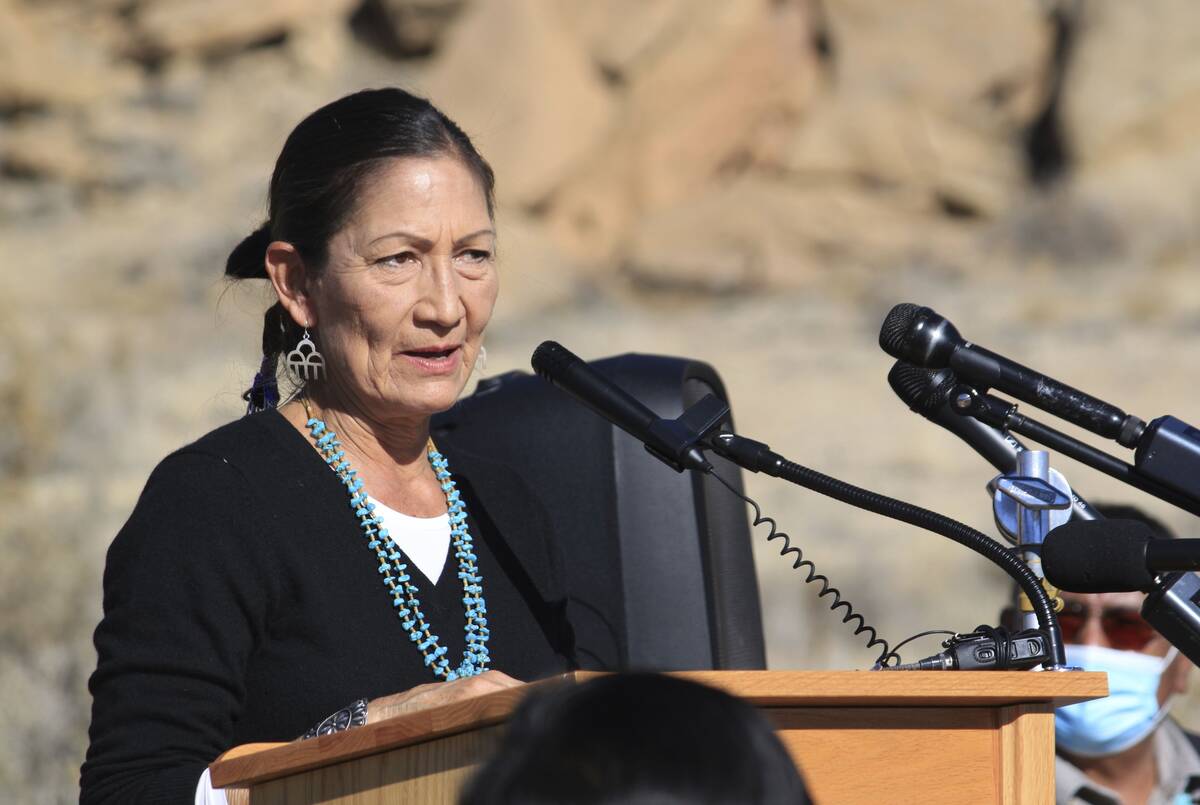 Interior Secretary Deb Haaland at Chaco Culture National Historical Park in New Mexico on Nov. 22. (Susan Montoya Bryan/AP) | | | Interior Secretary Deb Haaland on Saturday visited a site in southwestern Texas that conservation groups are urging President Biden to designate as America's newest national monument. Conservationists argue that Biden has the authority under the 1906 Antiquities Act to permanently protect Castner Range in El Paso — and that doing so would be consistent with his goal of preserving 30 percent of federal lands and waters by 2030. "Make no mistake — it is within President Biden's authority under the Antiquities Act to take swift action to protect the Castner Range," Mike Murray, chair of the Coalition to Protect America's National Parks, which represents more than 2,100 current and former employees and volunteers of the National Park Service, said in a statement Saturday. "In 2021, when President Biden set our first-ever national conservation goal — to conserve 30 percent of U.S. lands and waters by 2030, he was recognizing the urgent biodiversity threats facing the country and the globe," Murray said. "Protecting the Castner Range would be an important first step in accomplishing those goals." But despite a groundswell of support from environmental and Indigenous advocates, it's unclear whether Biden will issue an executive order to safeguard the site — or whether Congress will act in his stead. White House spokesman Vedant Patel declined to comment on whether the president supports designating Castner Range as a national monument. Interior spokeswoman Melissa Schwartz also declined to comment. | | Haaland traveled to Castner Range on Saturday "to meet with local officials and community members and to learn about their vision for increasing access to, and conservation of, outdoor spaces," the Interior Department said in a news release. | | The range encompasses about 7,000 acres that were used for weapons training and testing by the Fort Bliss Military Range until the 1970s. The Defense Department, which manages the area, is studying the feasibility of cleaning up the site under the nation's Superfund law. While Castner Range is off-limits to the public because of unexploded ordnance, it provides habitat for an array of wildlife, according to a coalition of local groups that has advocated for making the site a national monument. | - Twelve mammals live on the range, including bobcats, mountain lions, coyotes, badgers and rabbits, according to the groups.
- Sixty-two bird species have also been observed on the range, including sandpipers, roadrunners, nine species of sparrows and four kinds of hawks.
| | In addition, the range contains archaeological artifacts from early Native American settlements, including rock art and pottery. Tribes have called on Haaland, the first Native American secretary of the interior, to give these artifacts federal protections. Rafael Gomez, a tribal councilman of the Ysleta del Sur Pueblo, said in a statement Saturday that he hopes Haaland will "take our message home with you to President Joe Biden: protect Castner Range. The people of Ysleta del Sur, the Paso del Norte region and our future generations need your help." | Executive action versus legislation | | The push to preserve Castner Range comes after Biden restored full protections to three national monuments that had been gutted by former president Donald Trump. | - Biden issued two executive orders last year to protect 1.36 million acres in Utah's Bears Ears National Monument and to restore the 1.87 million-acre Grand Staircase-Escalante National Monument.
- A third executive order reimposed fishing restrictions in the Northeast Canyons and Seamounts Marine National Monument off New England that Trump had opened to commercial fishing.
| | When it comes to Castner Range, conservationists say that nothing is stopping Biden from issuing another executive order under the Antiquities Act, which gives presidents vast powers to protect notable federal lands from encroachment. However, Biden could also wait for Congress to pass legislation — a less promising option, given the gridlock there. | - Rep. Veronica Escobar (D-Tex.), who traveled with Haaland over the weekend, last year introduced legislation to create a Castner Range National Monument.
- The measure also directs the Interior Department to establish an advisory council to assist with the preparation and implementation of a management plan for the site.
| | "It's always encouraging for a Secretary to visit one of the gems of our community," Escobar spokeswoman Abbey Thompson said in an email to The Climate 202. "Our office continues to work with all parties involved to grant Castner the designation it deserves." | | |  | International climate | | Ukraine's pipelines are still carrying Russian oil to Europe | 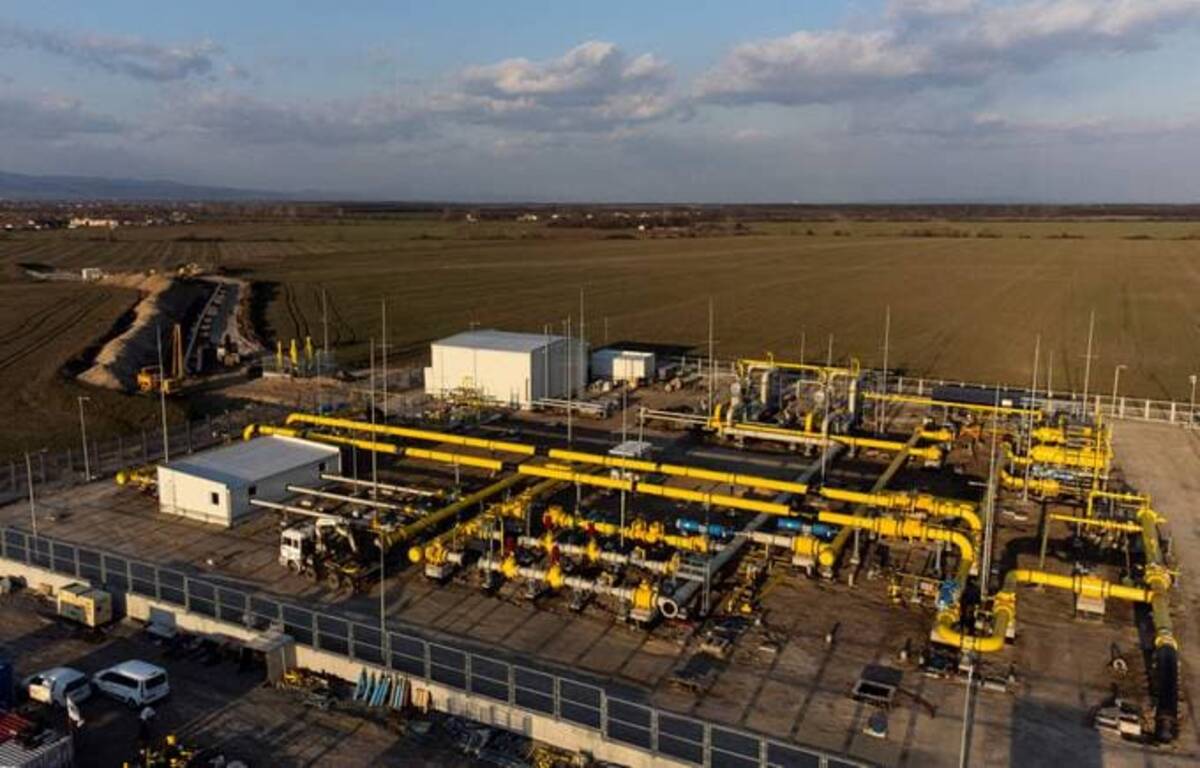 The construction site of a gas metering station, part of the pipeline link between Bulgaria and Greece. (Nikolay Doychinov/AFP) | | | Even as the war continues, Russia is sending nearly one-third of the gas it exports to Europe through Ukrainian pipelines — creating a complex geopolitical game, The Washington Post's Steven Mufson reports. If Ukraine halted the transit of natural gas through its pipelines from Russia, the gas would just be diverted to other pipelines and make it to Europe anyway, said Yuriy Vitrenko, the chief executive of Naftogaz, Ukraine's state-owned natural gas utility. That could make Ukraine even more vulnerable to Russian bomb strikes, Vitrenko said in an interview from an air raid shelter in an undisclosed location. "It's a very politically sensitive topic discussed at the highest political levels," he said. "We're trying to persuade our partners in the European Union that they should reduce any purchases of Russian gas and oil or at least freeze all the money that Russia gets for the exports of energy." | | |  | Pressure points | | White House to release fiscal 2023 budget today | 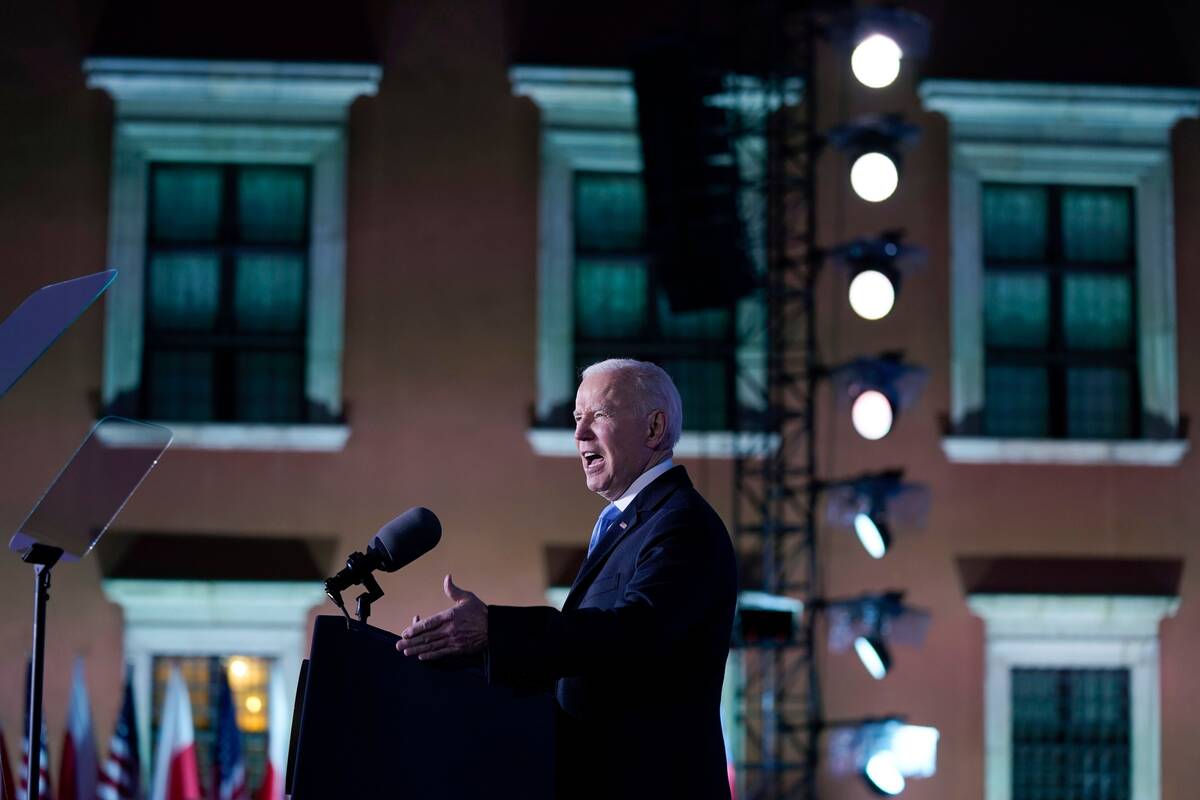 President Biden delivers a speech about the Russian invasion of Ukraine in Warsaw on March 26. (Evan Vucci/AP Photo) | | | The White House plans to roll out its fiscal 2023 budget proposal on Monday. It is expected to recommend a new minimum tax on billionaires, as our colleague Jeff Stein scooped, as well as ways to combat high energy prices and boost environmental spending. With the price of oil over $100 a barrel amid the war in Ukraine, the White House will likely propose budget steps that could help lower prices at the pump. One option would be to impose a "windfall tax" on oil companies' profits — an idea championed by Senate Budget Chairman Bernie Sanders (I-Vt.) and Sen. Sheldon Whitehouse (D-R.I.). Other options include direct rebates to consumers, a federal gas tax holiday, or a strategy to force oil companies to use their drilling permits, as The Climate 202 previously reported. | | |  | Agency alert | | Interior Department to hold offshore wind lease sale off the Carolinas | 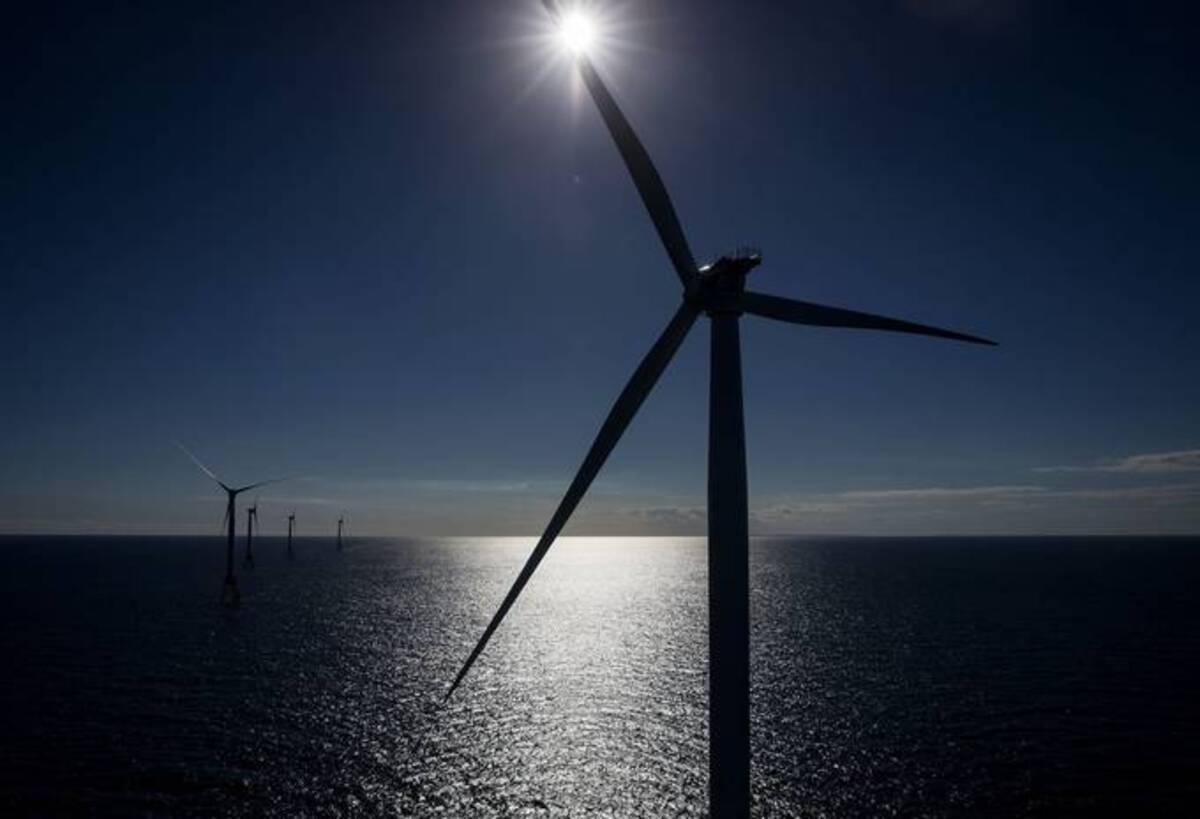 The GE-Alstom Block Island Wind Farm near Rhode Island. (Eric Thayer/Bloomberg News) | | | The Interior Department on Friday announced that the Bureau of Ocean Energy Management will hold an auction for two wind energy leases off the coast of the Carolinas on May 11, furthering the Biden administration's ambitious clean energy goals. The lease areas encompass 110,091 acres in the Carolina Long Bay area that, if developed, could generate at least 1.3 gigawatts of offshore wind energy — enough to power nearly 500,000 homes. | | |  | Extreme events | | Ice shelf bigger than New York City breaks off eastern Antarctica | 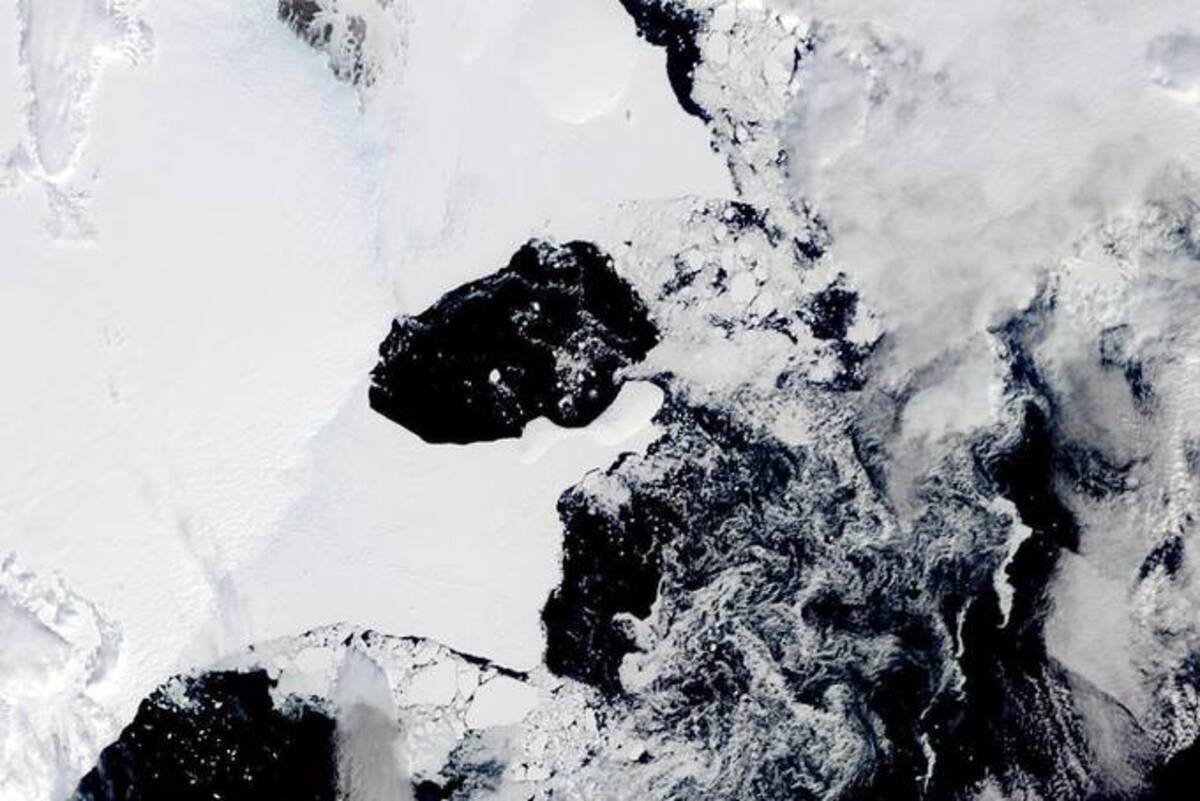 The Conger Ice Shelf in February. (NASA/AP) | | | The Conger Ice Shelf has become the first ice shelf to break off eastern Antarctica after four decades of observation, alarming scientists who have long considered the area as mostly stable and less vulnerable to climate change compared to western Antarctica, Jason Samenow reports for The Post. The ice shelf, which spans 460 square miles and is about the size of New York City, broke away from the continent on March 15. Ice shelves surrounding Antarctica often protect ice sheets and glaciers, but if the shelves slip away, ice streams from surrounding glaciers can spill into the ocean and contribute to sea level rise. "We're seeing these things sooner than we expected," said Peter Neff, assistant research professor at the University of Minnesota and an expert in glaciology. Around the same time the ice shelf collapsed, temperatures in eastern Antarctica shot up 70 degrees above normal, smashing records. And in just the past month, sea ice levels surrounding the continent — mainly in western Antarctica — dropped to a record low. Neff said that despite the Conger Ice Shelf's unexpected tear in the east, his primary concern about Antarctica and its potential to contribute dangerous amounts of sea level rise remains in the west. | Western heat wave sets record, fuels Colorado fire | 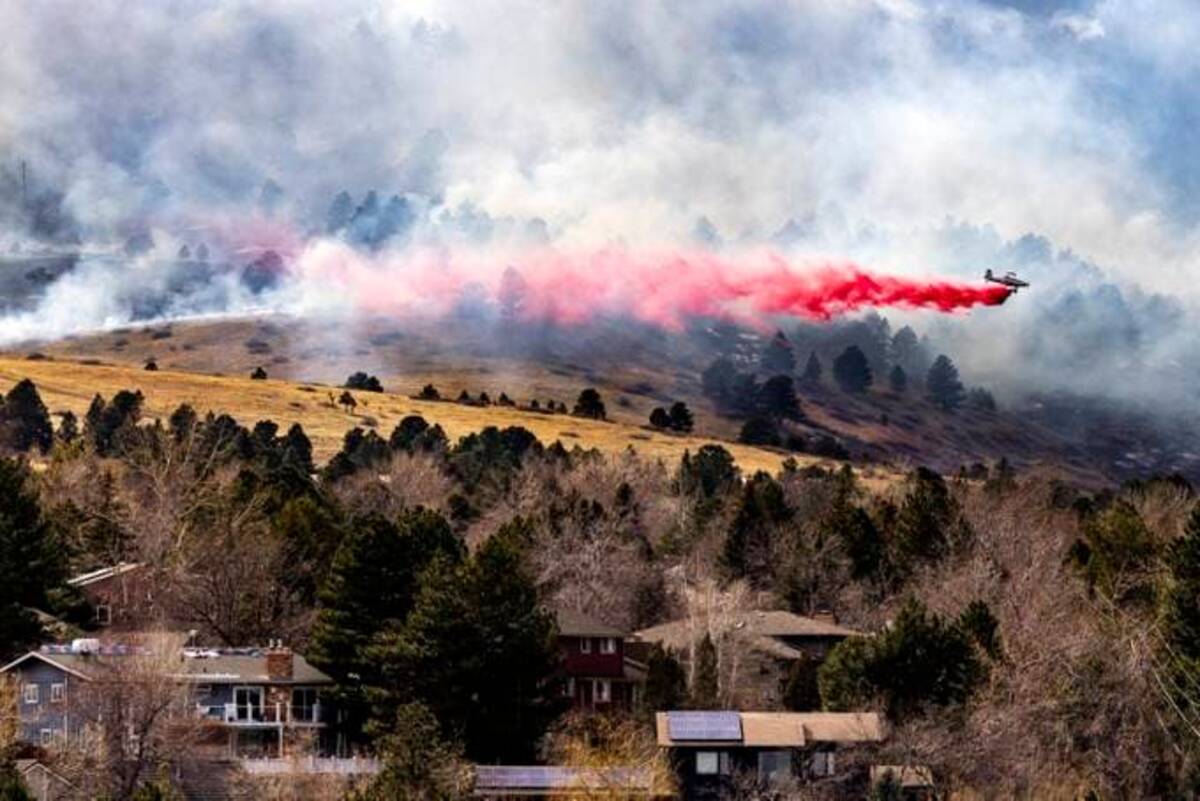 An air tanker fights the NCAR Fire near Boulder, Colo. (Michael Ciaglo/Getty Images) | | | Temperatures in Las Vegas and Death Valley soared to 93 and 104 degrees on Saturday, respectively, shattering March records and helping to intensify a grass fire that erupted near Boulder, Colo., and forced thousands to evacuate, The Post's Jason Samenow reports. The atypical warmth, combined with strong winds, fueled the NCAR Fire that ignited near Boulder on Saturday. The fire was named for its proximity to the National Center for Atmospheric Research, a world-renowned hub for weather and climate studies. As of Sunday morning, the Boulder Office of Emergency Management said that the fire had burned 189 acres and was 21 percent contained. This weekend's fire follows the Boulder Fire, Colorado's most destructive on record, on Dec. 30. Both blazes occurred amid abnormally warm conditions and drought, which scientists say are increasing because of global warming. | | |  | On the Hill this week | | | On Tuesday: The House Budget Committee will hold a hearing on the fiscal 2023 budget. On Wednesday: The Senate Budget Committee will hold a hearing on the budget. The House Natural Resources Subcommittee on Oversight and Investigations will also hold a hearing on disease surveillance to prevent rapidly spreading illnesses among U.S. wildlife. On Thursday: The House Natural Resources Subcommittee on Energy and Mineral Resources will hold an oversight hearing on the benefits of pollution cleanup programs in the bipartisan infrastructure law. The Senate Energy and Natural Resources Committee will also meet to examine opportunities and challenges facing domestic mining, processing, refining and reprocessing for crucial minerals. On Friday: The House Select Committee on the Climate Crisis will hold a hearing on natural climate solutions and the benefits of investing in healthy ecosystems. | | |  | Viral | | | Comedian Amy Schumer poked fun at Leonardo DiCaprio, who starred in the climate change allegory "Don't Look Up," for the age of his girlfriends at the Oscars last night, and we were laughing just as hard as actress Jessica Chastain. 😂 |  | | | | |