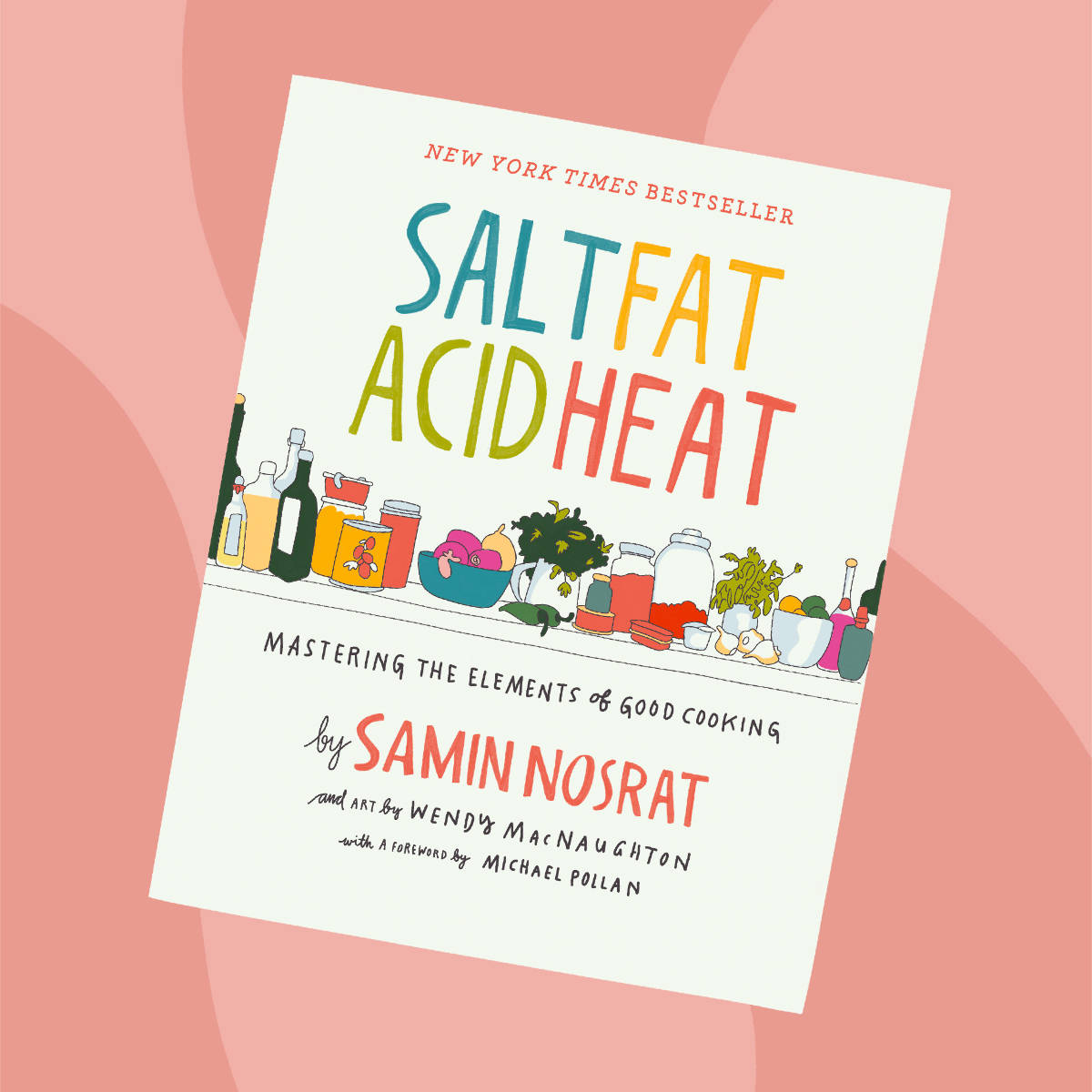
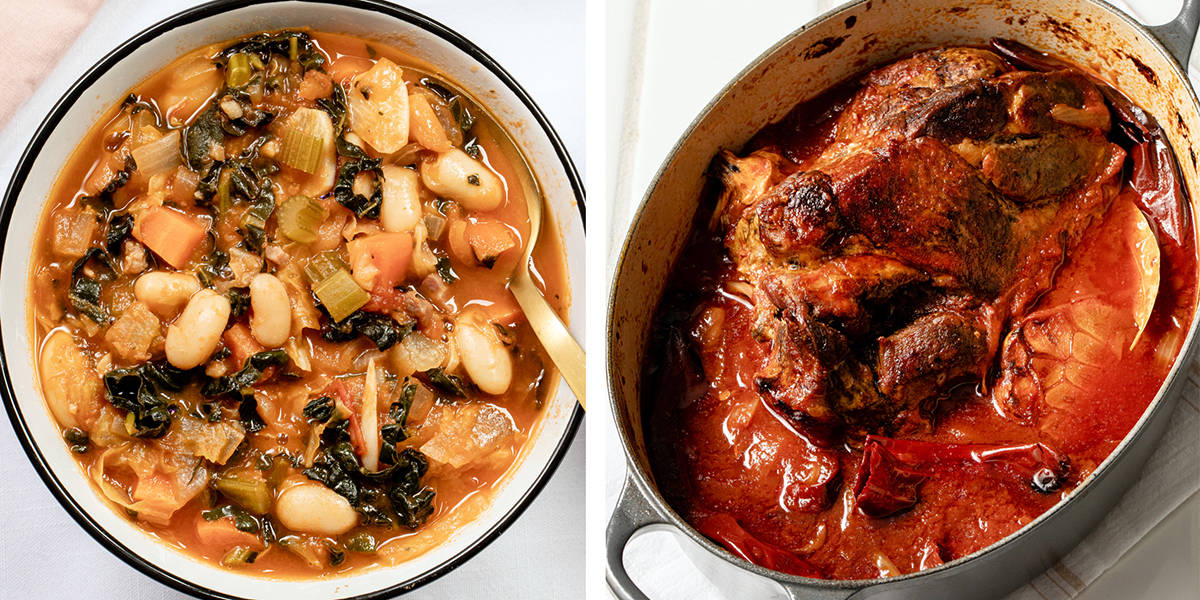
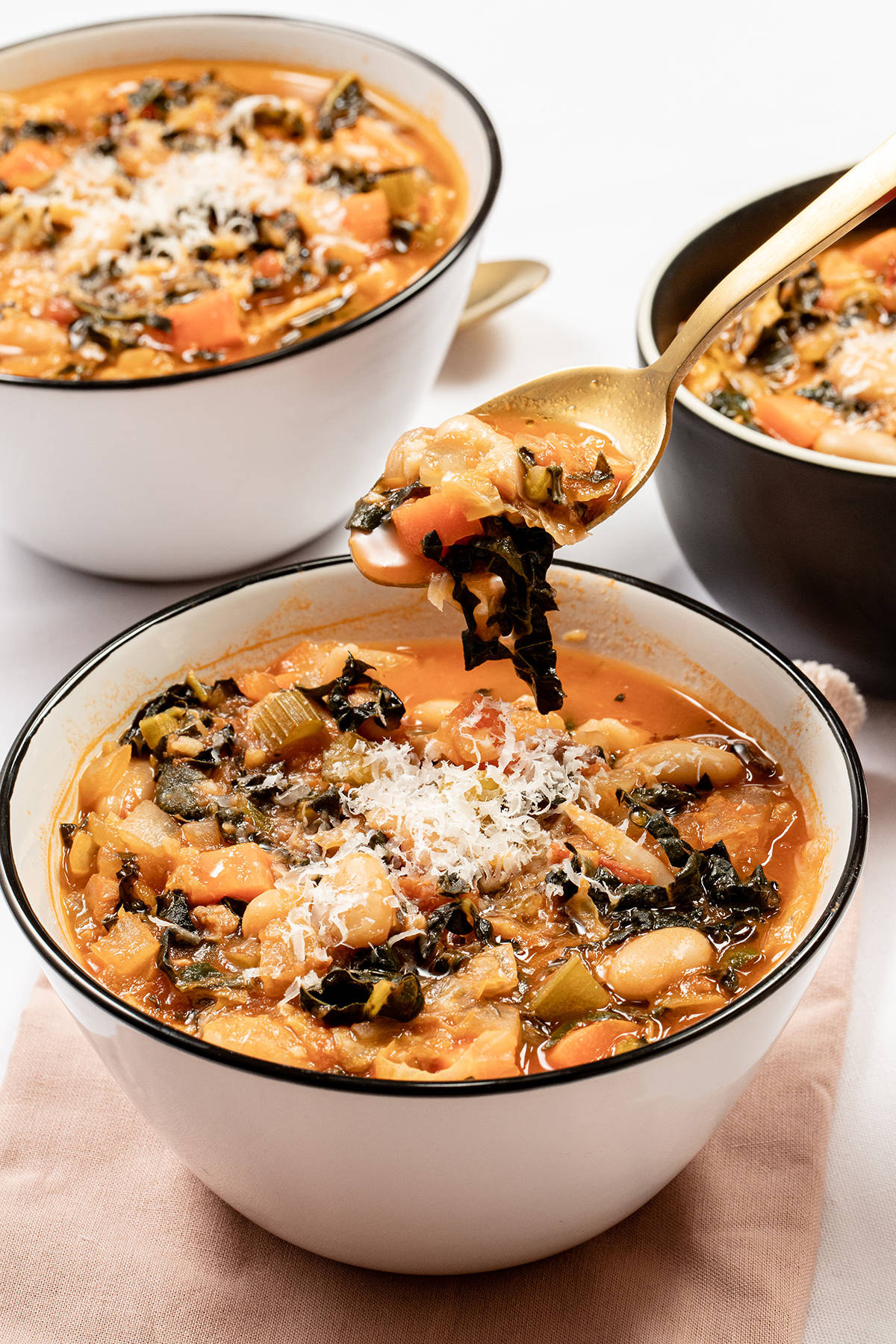
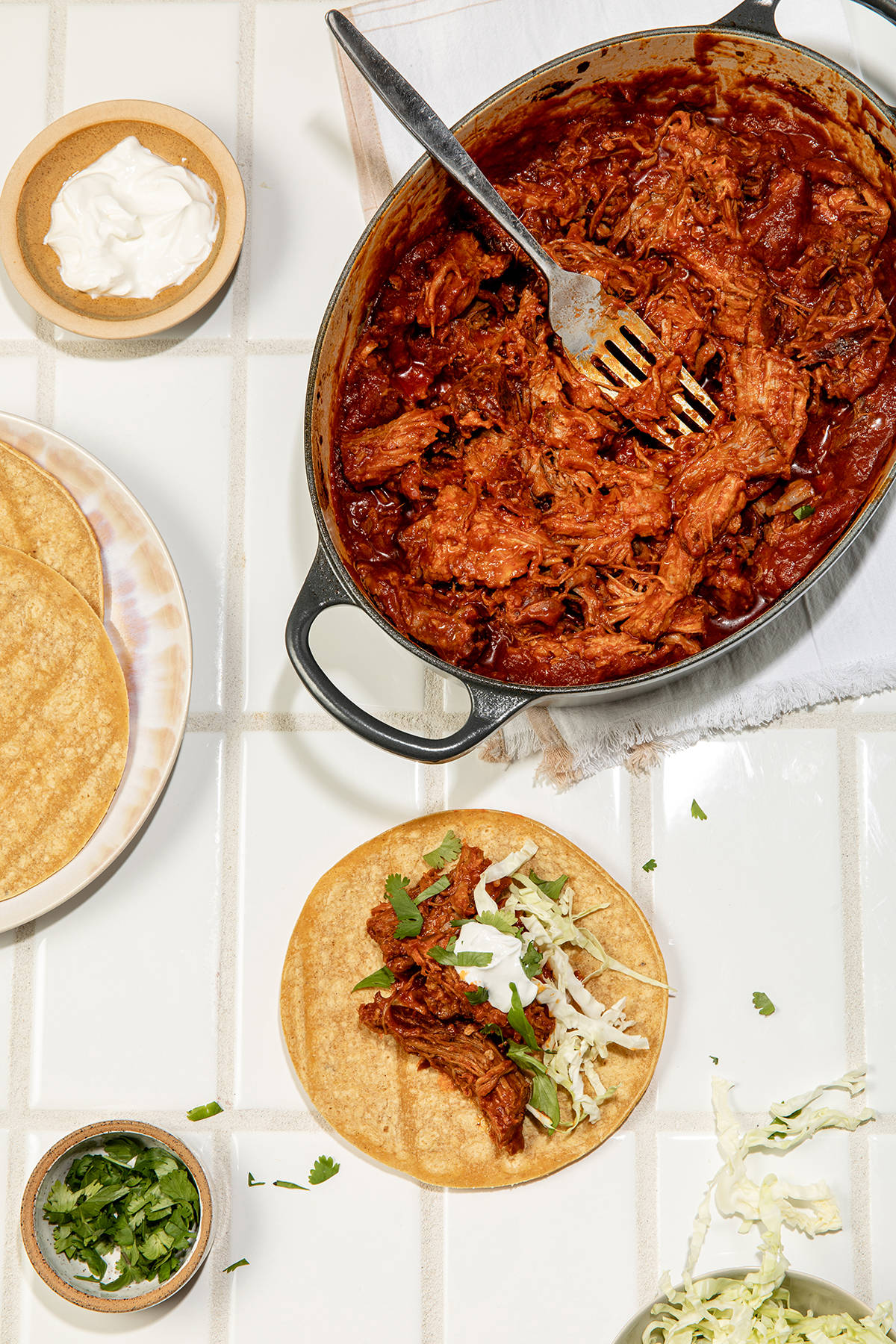
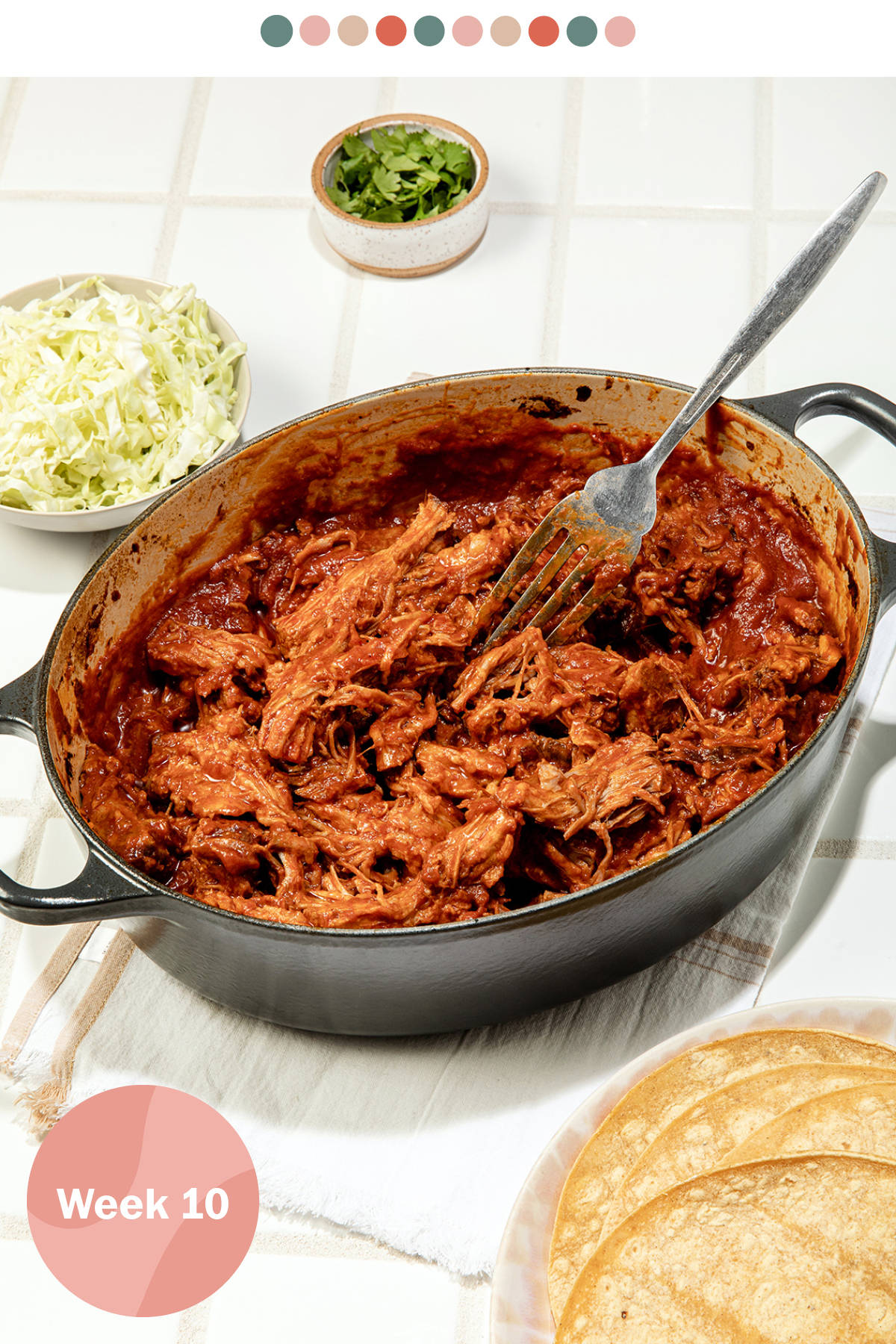
Samin Nosrat's 'Salt, Fat, Acid, Heat'This one's kind of obvious, right? Of course, Samin Nosrat's "Salt, Fat, Acid, Heat" is on this list. She's Samin Nosrat. A household name with her own Netflix show and an undeniable screen presence characterized by boisterous enthusiasm and an explosive laugh. But before she was Samin Nosrat, international sensation, she was Samin, the Iranian American daughter of immigrants, who had worked at restaurants such as Chez Panisse in Berkeley, Calif., and studied journalism with author and activist Michael Pollan. I will never forget the first time I met that Samin. It was in 2013, at the Southern Foodways Alliance Symposium in Oxford, Miss. As the attendees wended our way to lunch the first day, someone came up behind me, embraced me in a fierce hug and lifted me off the ground, shouting my name. It scared the bejeezus out of me. Once my feet were back on the sidewalk, I turned around and there she was, grinning. "Oh, I'm Samin," she said, laughing that laugh of hers. She didn't have to tell me. I knew as soon as I saw her. She was already a legend in the food world. That was six-plus years ago, and she was knee-deep in achieving her goal. Her plan was to create a core curriculum that could teach anyone how to make anything, and to do it by breaking her subject down into four elements: salt, fat, acid and heat. These, she had deduced, in the early aughts when she was a fledgling line cook, "guided basic decision-making in every single dish." Over the next 10 years, she cooked professionally, traveled and researched to accrue as much culinary knowledge as a person can and to test her kitchen string theory. It held up. She used this "tidy system of culinary thinking" to teach her own young line cooks when she became a chef de cuisine. Then she used it to teach Pollan — the guy who wrote "The Omnivore's Dilemma" and told us all what to eat but didn't know how to cook himself. And then she used it to teach friends, neighbors, middle-schoolers, senior citizens and culinary school students. Finally, she spent three years putting it on the page for the rest of us. All told, this undeniably breakthrough achievement was 18 years in the making. I could say it's the only book you need to learn how to cook; I could also say it's the book that ties the other nine in this series together and makes sense of them as a whole. Nosrat explains The Why of cooking without seeming intimidatingly science-y or clinical. While accomplishing that herculean task, she also shows us how universal The Why is — how much food prepared around the world has in common. The specific techniques may differ, the ingredients, too, but the way flavors are combined and balanced, and heat applied, are strikingly alike, as if part of the human condition. Knowing that, and knowing what those basic shared tenets are, makes it that much easier to imagine branching out in my own kitchen, and not just to try to cook food from other cultures, but to mix and match, to adapt recipes to my taste with confidence. Nosrat hopes we'll adapt her recipes, but I'm loathe to change them (and I live to go rogue on other peoples' recipes). They're infallible as written, just like the rest of this masterpiece.  | Menu | Tuscan Bean and Kale SoupThis is the quintessential version of a trusty soup that's economical, easy to adapt and sustaining enough for a meal. Pork Braised With ChilesSimmered in beer, Nosrat's slow-cooked pork can be anything you want it to be, but it's already everything.  | Focus on the illustrations | Nosrat wants us all to become the kind of cooks who rely on the wisdom and science of cooking, instead of the constraining specifics of a recipe. That's why she chose not to have photographs in the book — so we don't fixate on a singular dish and how it "should" look. Enter illustrator and graphic journalist Wendy MacNaughton, who gives us the visual equivalent of anecdotes with sweet details of ingredients. Her clever renderings distill the ideas and rules Nosrat has explained. The infographic charts help us apply what we've learned in our own kitchens, and decide not just what we want for dinner, but how to make it.  | Recipes | Tuscan Bean and Kale SoupYou might think a bean and kale soup could be a real dud — health food store- or cafeteria-depressing. You couldn't be more wrong (even if you don't add the optional bacon or pancetta; but unless you're a vegetarian or have other dietary restrictions, you're going to, right?). Nosrat chooses this dish to illustrate the Platonic ideal of a chunky soup, as opposed to the other two categories — brothy and smooth. It's built on the layering and concentrating of flavors, with extra boosts from umami-rich tomatoes (you cook them down till they get jammy) and Parmesan (you throw the rind in the pot to simmer with the rest). For easy printing and scaling, view this recipe on our website at washingtonpost.com/recipes. IngredientsServings: 6 to 8 (makes 10 cups)
Active time: 1 hour
Total time: 1 hours 20 minutes Extra-virgin olive oil
2 ounces pancetta or bacon, diced (optional)
1 medium yellow onion, diced (about 1 1/2 cups)
2 celery stalks, diced (about 2/3 cup)
3 medium carrots, peeled and diced (about 1 cup)
2 bay leaves
Kosher or fine sea salt
Freshly ground black pepper
2 garlic cloves, thinly sliced
2 cups crushed canned or fresh tomatoes in their juice
3 cups cooked beans, such as cannellini, corona or cranberry, cooking liquid reserved (from about 1 cup dry); or 2 (15-ounce) cans
1 ounce freshly grated Parmesan (about 1/3 cup), divided, rind reserved
3 to 4 cups chicken broth or water
2 bunches lacinato kale, stemmed and thinly sliced (about 6 cups)
1/2 small head green or savoy cabbage, core removed and thinly sliced (about 3 cups) StepsSet a large Dutch oven or stockpot over medium-high heat and add 1 tablespoon olive oil. When the oil shimmers, add the pancetta, if using, and cook, stirring for 1 minute, until it just begins to brown. Add the onion, celery, carrots and bay leaves. Season generously with salt and pepper. Reduce the heat to medium and cook, stirring occasionally, until the vegetables are tender and just starting to brown, about 15 minutes. Dig a little hole in the center of the pot, then add another tablespoon of olive oil. Add the garlic and let it sizzle gently until it gives off an aroma, about 30 seconds. Before the garlic has a chance to brown, add the tomatoes. Stir, taste, and add salt as needed. Let the tomatoes simmer until they cook down to a jammy consistency, about 8 minutes, then add the beans and their cooking liquid, half the grated Parmesan and its rind, and enough stock or water to cover. Add two immoderate splashes of olive oil, about 1/4 cup. Stirring occasionally, bring the soup back to a simmer. Add the kale and cabbage and bring to a simmer again, adding more stock or water as needed to cover. Cook until the flavors have come together and the greens are tender, about 20 minutes more. Taste and adjust for salt. I like this soup to be very thick, but add more liquid if you like a lighter soup. Remove the Parmesan rind and bay leaves. Serve with a drizzle of the best olive oil you have on hand, and the remaining grated Parmesan. Storage note: Store covered in refrigerator for up to 5 days. This soup also freezes exceptionally well, for up to 2 months. Return the soup to a boil before using. Variation To make pasta e fagioli (Tuscan pasta and bean soup), add 3/4 cup uncooked ditalini, tubetti or other small pasta shape along with the beans. Stir frequently, as the starch released by the pasta is apt to form a crust on the bottom of the pot and burn. Cook until the pasta is tender, about 20 minutes. Thin out with more stock or water as needed to desired consistency. Serve as directed above. Nutritional facts (per serving, based on 8): Calories: 191; Protein: 10 g; Carbohydrates: 32 g; Fat: 4 g; Saturated Fat: 1 g; Cholesterol: 3 mg; Sodium: 432 mg; Fiber: 8 g; Sugar: 7 g. Pork Braised With Chiles"This is the single most versatile recipe in the book," Nosrat writes. But I don't think I need to sell you on her pork shoulder braised with chiles. You're already imagining the floppy tortillas you'll pile it into — the meat shredded and stirred into its sauce. Tacos aren't the only way to go; you could put that filling on top of a mound of hot polenta or grits. You could also leave the pork intact and sauce it, entree style. And it doesn't have to be pork: short ribs, brisket, chicken thighs, lamb shank … "any cut of dark, sinewy meat you'd like." (Cooking times will vary.) For easy printing and scaling, view this recipe on our website at washingtonpost.com/recipes. IngredientsServings: 6 to 8
Active time: 45 minutes
Total time: 4 hours 45 minutes, plus 24 hours chilling/curing time 4 pounds boneless pork shoulder (sometimes called pork butt)
Kosher or fine sea salt
1 garlic head
Neutral-tasting oil, such as canola, vegetable or grapeseed
2 medium yellow onions, sliced
2 cups crushed tomatoes in their juice, fresh or canned
2 tablespoons cumin seed or 1 tablespoon ground cumin
2 bay leaves
8 dried chiles, such as guajillo, New Mexico, Anaheim or ancho, stemmed, seeded and rinsed
Optional: For a touch of smokiness, add 1 tablespoon smoked paprika or 2 smoked peppers, such as chipotles morita or pasilla de Oaxaca to the braise
2 to 3 cups lager or pilsner beer, plus more as needed
1/2 cup coarsely chopped fresh cilantro, for garnish
Mexican cream (crema) or lime wedges, for serving StepsThe day before you plan to cook, season the pork generously with salt. Cover and refrigerate. When you're ready to cook, preheat the oven to 325 degrees. Remove any roots from the head of garlic, then slice it in half crosswise. (Don't worry about adding the skins to the braise – they'll get strained out at the end. If you don't trust me, go ahead and peel the whole head of garlic – I'm just trying to save you some time and effort.) Set a large, ovenproof Dutch oven or similar pot over medium-high heat. When it's warm, add 1 tablespoon of oil. When the oil shimmers, place the pork in the pot. Brown it evenly on all sides, about 6 minutes per side. When the meat is brown, remove it and set it aside. Carefully tip out as much of the fat from the pot as you can, then return it to the stove. Reduce the heat to medium and add 1 tablespoon of oil. Add the onions and garlic and cook, stirring from time to time, until the onions are tender and lightly browned, 10 to 15 minutes. Add the tomatoes and juice, cumin, bay leaves, dried chiles and smoked paprika or peppers, if using, to the pot and stir. Nestle the pork atop the aromatic base and add enough beer to come 1 1/2 inches up the sides of the meat. Make sure the peppers and bay leaves are mostly immersed in the juices so that they do not burn. Increase the heat and bring to a boil on the stove, then slip the pot, uncovered, into the oven. After 30 minutes, check to make sure the liquid is just barely simmering. About every 30 minutes, turn the pork over and check the level of the liquid. Add more beer as needed to maintain the liquid at a depth of 1 1/2 inches. Cook until the meat is tender and falls apart at the touch of a fork, 3 1/2 to 4 hours. Remove the cooked pork from the oven and carefully remove it from the pan. Discard the bay leaves, but don't worry about fishing out the garlic since the sieve will catch the skins. Using a food mill, blender or food processor, puree the aromatics and strain them through a sieve. Discard the solids. Skim the fat from the sauce and then taste, adjusting salt as needed. (To more easily remove the fat, chill the sauce for a couple of hours and then skim off the fat.) At this point, you can either shred the meat and combine it with the sauce to make pork tacos, or slice it and spoon the sauce over the pork to serve it as an entree. Garnish with chopped cilantro and serve with an acidic condiment such as Mexican cream or a simple squeeze of lime. Storage notes: Cover and refrigerate leftovers for up to 5 days. Braised meat freezes exceptionally well. Simply submerge in cooking liquid, cover and freeze for up to 2 months. To serve, return the braise to a boil on the stove with a splash of water. Ingredients are too variable for a meaningful nutritional analysis. That's a wrap! Thank you for joining us on this 10-week cookbook journey. We hope you've found a few new favorites and go-to recipes along the way. You can view all 20 recipes from the series here. For more recipes, how-to guides, additional newsletter series and much more, visit us at voraciously.com. Join our virtual cookbook club! Chat about the books, ask questions and share your creations by joining the Essential Cookbooks Facebook group here, and show others you've joined the club by posting your recipe photos on Instagram using #voraciouslycookbooks. Have a question? Email us at voraciously@washpost.com or message @eatvoraciously on Instagram. Charlotte Druckman is a journalist and food writer. She conceived and edited the collection "Women on Food" and is the author of "Skirt Steak: Women Chefs on Standing the Heat" and "Staying in the Kitchen." In addition, she has written two cookbooks — "Stir, Sizzle, Bake: Recipes for Your Cast-Iron Skillet" and "Kitchen Remix: 75 Recipes for Making the Most of Your Ingredients," and co-wrote chef Anita Lo's "Cooking Without Borders." She lives in New York City. Find her on Instagram (@chardrucks) or Twitter (@cettedrucks). | 



 Email
Email