 | | Maxine Joselow with research by Vanessa Montalbano | | | Good morning and welcome to The Climate 202! Maxine finally got her cast off yesterday after fracturing her wrist in December, and she's excited to be typing this newsletter with both hands again. 🎉 | Sen. Shelley Moore Capito is a key Republican to watch on environmental issues | 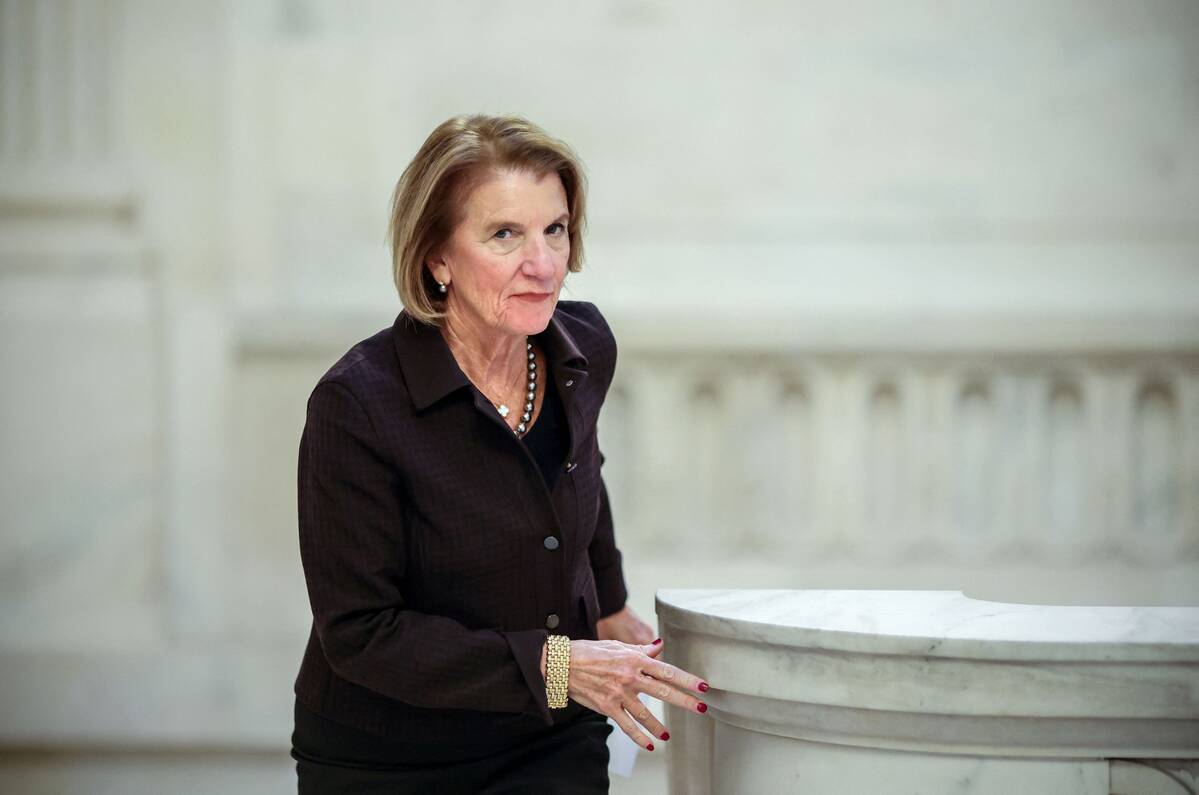 Sen. Shelley Moore Capito (R-W.Va.) makes her way to a news conference Jan. 11 on Capitol Hill. (Evelyn Hockstein/Reuters) | | | Republican Sen. Shelley Moore Capito doesn't get as many headlines as the other senator from West Virginia, Democrat Joe Manchin III, whose every utterance about President Biden's legislative agenda is picked apart in the press. But away from the spotlight, Capito has played a crucial role in crafting bipartisan environmental legislation as the ranking member on the powerful Environment and Public Works Committee, where she has an unusually amicable relationship with Committee Chairman Thomas R. Carper in an era of partisan acrimony. Together, the two helped craft a highway bill that the committee passed unanimously, as well as a water bill that cleared the panel and was approved by the Senate 89 to 2. Both pieces of legislation were incorporated into the $1.2 trillion infrastructure bill that Biden signed into law in November. Of course, Capito has also been critical of the Biden administration's climate agenda. And if Republicans regain control of the Senate in the midterm elections, Capito would be in line to lead the committee — and potentially to slow-walk some of Biden's environmental nominees. The Climate 202 recently sat down with Capito to discuss her top environmental priorities for the year and her relationships across the aisle. (And yes, her time on Manchin's houseboat did come up.) Here are highlights from the conversation: | Carbon capture, PFAS, recycling | | Asked whether she supported any of the climate provisions in Democrats' Build Back Better legislation, Capito pointed to the extension and enhancement of the tax credit for carbon capture and sequestration under Section 45Q of the Internal Revenue Code — commonly known as "45Q." | | If Democrats broke off certain climate provisions from the larger package and sought to pass them individually with some GOP support, "carbon capture would be a place that I would look," Capito said. "And 45Q could be a part of that." Of course, Democrats consider carbon capture — which involves capturing the carbon dioxide emissions of coal- or gas-fired power plants before they enter the atmosphere — insufficient on its own. They are also pushing for provisions that would yield greater emissions reductions, including tax credits for renewable energy and electric vehicles. Asked about her other environmental priorities if Republicans reclaim the majority, Capito cited hydrogen and polyfluoroalkyl and perfluoroalkyl substances, or PFAS, more commonly known as "forever chemicals." The committee also held a hearing yesterday on Capito's legislation to improve the accessibility of recycling programs in rural communities. | Discussions with Democrats | | Capito said she meets with Carper once a week, despite the Senate's packed agenda. She credited the regular talks with strengthening their relationship and ability to forge bipartisan deals. "The key there is communication," she said. "I'm on another unnamed committee where the chair and the ranking member barely speak. We speak all the time." The West Virginia Republican declined to identify the panel, although there are two possibilities: The Appropriations Committee, led by Sens. Patrick J. Leahy (D-Vt.) and Richard C. Shelby (R-Ala.), and the Commerce Committee, led by Sens. Maria Cantwell (D-Wash.) and Roger Wicker (R-Miss.). Carper told The Climate 202 that he enjoys the weekly discussions, which are sometimes in person and sometimes over the phone during Capito's drives from Washington to West Virginia. "It's helped us to develop a trusting relationship," Carper said. "We don't always agree on every single issue, but I think I understand where she is coming from on a lot of things." In addition to Carper, Capito said she is "very good friends" with Manchin, noting that they have known each other since the mid-1970s and that West Virginia is "a small state." | | Capito said she has frequently driven home with Manchin and visited his house and houseboat on the Potomac, although she clarified that she is "not a regular" on the houseboat, which has become a key destination for lawmakers and climate activists alike. | Oversight of Biden's climate agenda | | Despite her bipartisan bona fides, Capito said that one of her top priorities is conducting oversight of the Biden administration's climate policies. Capito said that while she has repeatedly requested the analysis underpinning Biden's climate commitments, she has yet to receive a response from the White House or the Environmental Protection Agency. | - In April, Biden announced a new target of reducing the nation's emissions 50 to 52 percent below 2005 levels by 2030.
- At his confirmation hearing a week later, Capito asked EPA Administrator Michael Regan whether the administration could provide the analysis underlying the target. Regan said yes.
- In September, however, Capito sent a letter to the White House again requesting the analysis. She said she never heard back, leading her to oppose three of Biden's nominees to key positions at the EPA.
| | "I'm going to keep pounding that drum," Capito said. "I'm already doing that by withholding my support for nominees. So if I were to take the committee over, I'm sure I would continue that." The White House did not respond to a request for comment. | | |  | On the Hill | | Sen. Whitehouse slams lack of progress on climate | 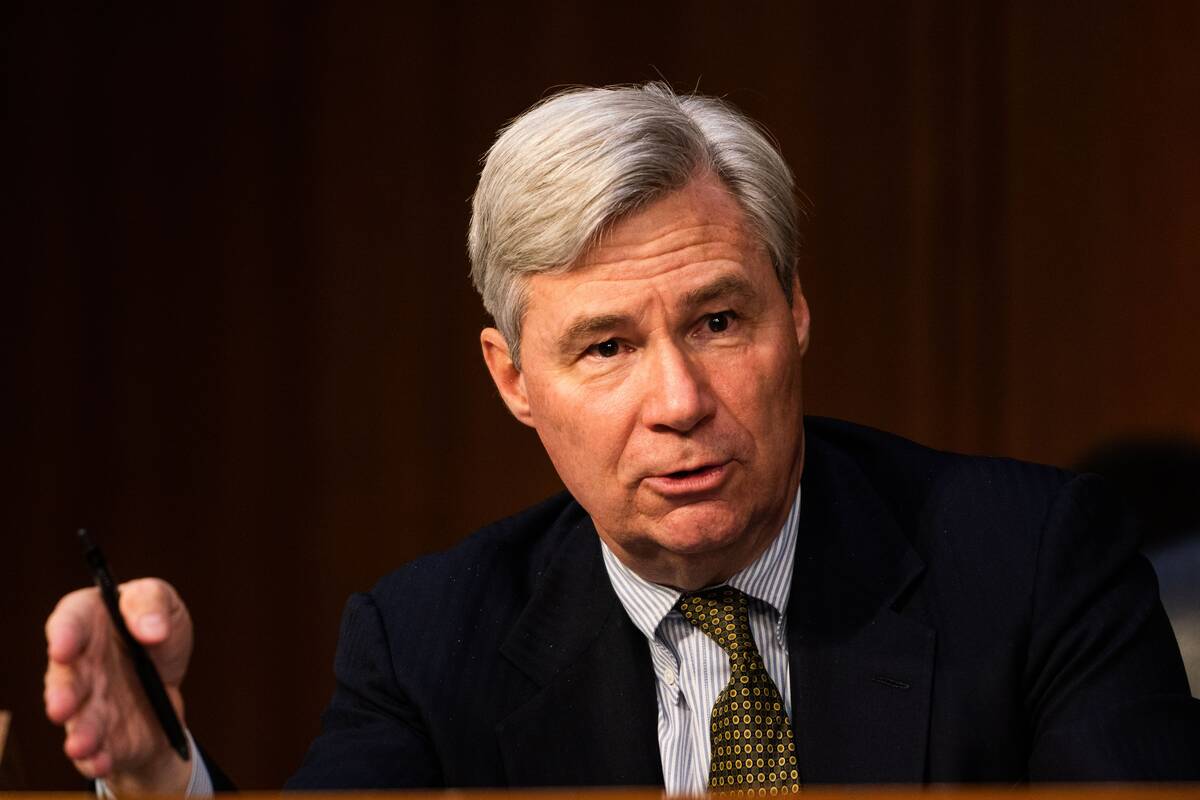 Sen. Sheldon Whitehouse (D-R.I.) on Capitol Hill last year. (Demetrius Freeman/The Washington Post) | | | In January 2021, when Biden took office and Democrats regained control of both chambers of Congress, Sen. Sheldon Whitehouse (D-R.I.) decided to stop giving weekly speeches on the urgent need to pass climate legislation. The speeches, he said, no longer seemed necessary. That changed on Wednesday, when Whitehouse took to the Senate floor to deliver his 280th "Time to Wake Up" address, as the Build Back Better bill remains stalled in Congress roughly one year into the Biden presidency. "We just aren't making progress, not by the only measurement that matters: Greenhouse gas emissions," he said. "We are one year in with no bill, no carbon regulation and no litigation, and look at the climate havoc." Politico's Anthony Andragna has more on the climate hawk's comments. | Sens. Bennet, Schumer introduce outdoor recreation bill | 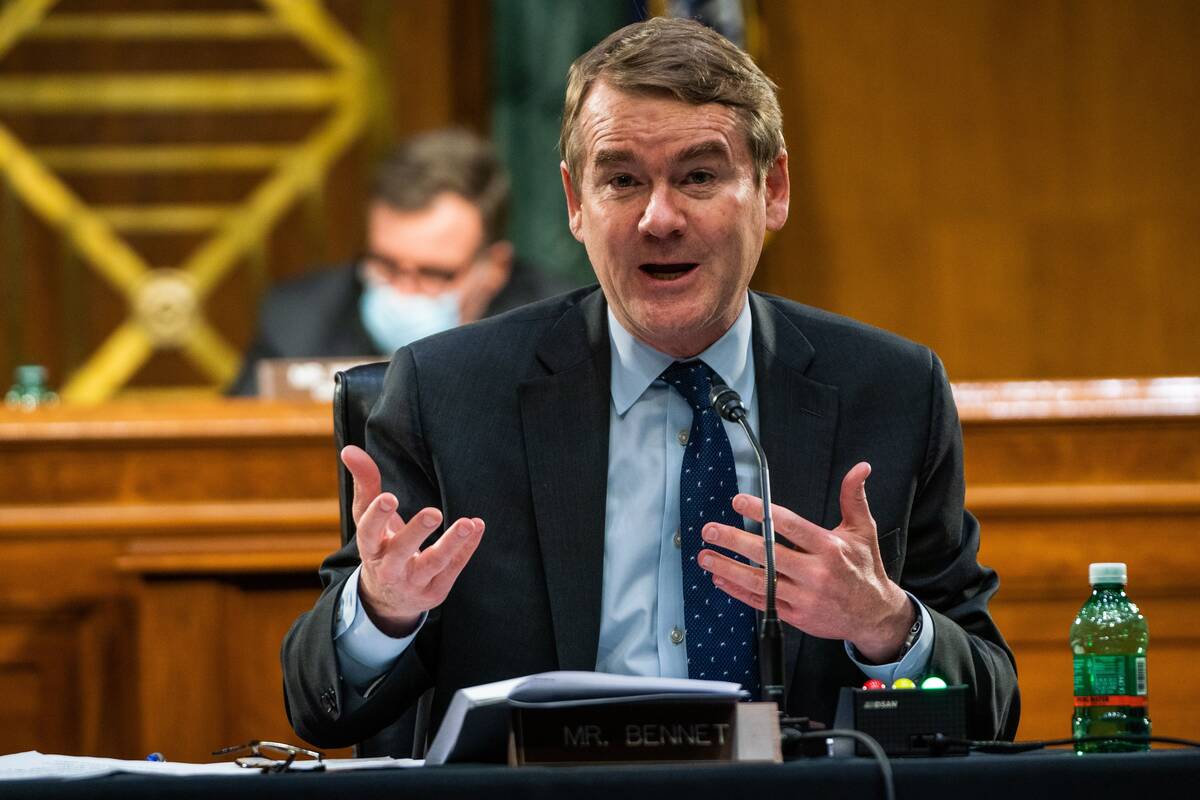 Sen. Michael F. Bennet (D-Colo.) during a Senate Intelligence Committee hearing last year. (Demetrius Freeman/The Washington Post) | | | Sen. Michael F. Bennet (D-Colo.) and Senate Majority Leader Charles E. Schumer (D-N.Y.) introduced legislation this morning to promote economic growth in rural communities through investment in outdoor recreation. The Rural Outdoor Investment Act would authorize $50 million a year in recreation and economic development funding, including $30 million from the Economic Development Administration for improvements to trails, trailheads and other infrastructure. One path forward for the bill would be the EDA reauthorization process underway in the Environment and Public Works Committee. | Senators press Biden administration on offshore wind research | 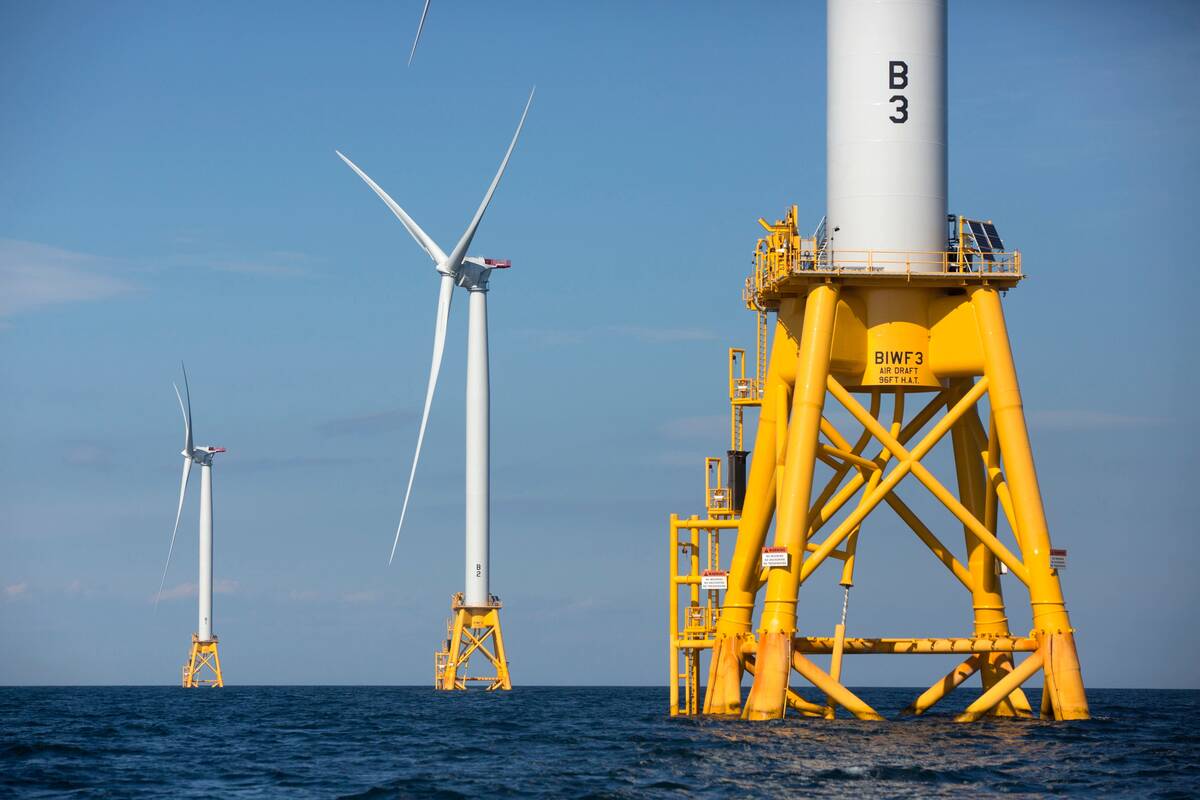 The nation's first offshore wind farm off Block Island, R.I. (Michael Dwyer/AP) | | | The Maine, Massachusetts and New Hampshire Senate delegations are pressing the Interior Department's Bureau of Ocean Energy Management on offshore wind research. In a letter sent Monday and publicly released yesterday, the senators urged bureau Director Amanda Lefton to ensure that offshore wind development in the Gulf of Maine is supported by "rigorous scientific research" before holding lease sales. The letter was spearheaded by Sen. Angus King (I-Maine) and signed by Sens. Susan Collins (R-Maine), Jeanne Shaheen (D-N.H.), Maggie Hassan (D-N.H.), Edward J. Markey (D-Mass.) and Elizabeth Warren (D-Mass.). A bureau spokeswoman declined to comment on the letter. | | |  | Agency alert | | Citing climate concerns, EPA urges Postal Service to switch gears on $11.3 billion truck contract |  Postal worker John Graham on the job last summer in Portland, Maine. (Robert F. Bukaty/AP) | | | The Environmental Protection Agency wrote to the Postal Service on Wednesday in a last-minute push to derail plans to replace its aging delivery fleet with gas-powered trucks, citing climate and public health concerns, The Washington Post's Anna Phillips and Jacob Bogage report. The clash between the federal agencies over the $11.3 billion contract to add as many as 165,000 trucks in the next decade could thwart Biden's goal of an all-electric federal car and truck fleet. The plan, signed by Postmaster General Louis DeJoy, only calls for 10 percent of the new delivery trucks to be electric. DeJoy, a holdover from the Trump administration, said the Postal Service couldn't afford more. Last fall, the EPA had warned the Postal Service that its environmental analysis of the contract relied on false estimates and missing data. In Wednesday's letter, the agency urged the mail agency to conduct a more in-depth technical analysis and hold a public hearing on its fleet modernization plans. It hopes the warning letter prompts Postal Service leadership to voluntarily change course. Environmentalists said the new trucks, from Oshkosh Defense, would average just 8.6 mpg with the air conditioning running, even though the industry standard for gas-powered delivery trucks is between 12 and 14 mpg. | | |  | Pressure points | | Sarah Bloom Raskin's nomination elevates climate in economic debate | 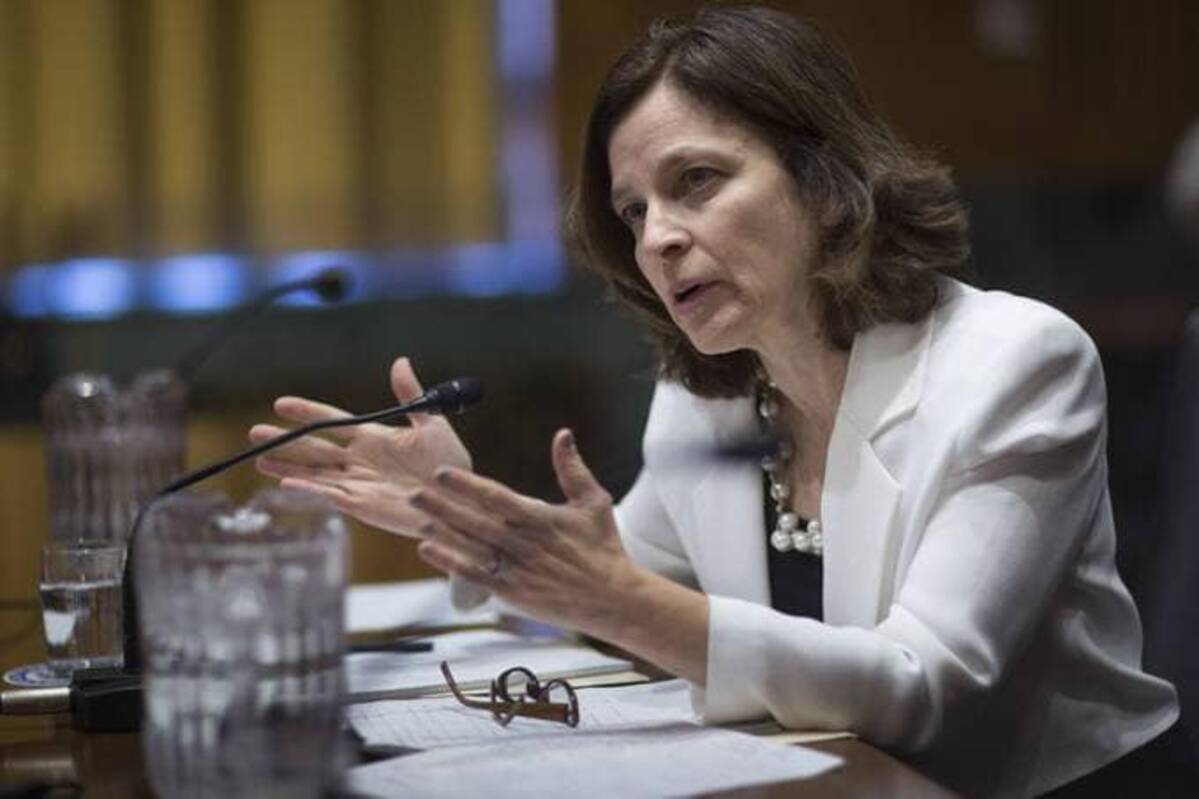 Sarah Bloom Raskin in 2013. | | | Democrats hope that Sarah Bloom Raskin, Biden's nominee to be the Federal Reserve's top banking cop, will help the Fed better consider how climate change could harm individual banks or ricochet through the financial system, The Post's Rachel Siegel, Douglas MacMillan and your Climate 202 anchor report. But her nomination has proven to be contentious among Republicans and lobbying groups who want to keep climate out of discussions about the economy. The U.S. Chamber of Commerce wrote a letter to the Senate Banking Committee last week urging lawmakers to question Raskin about her idea "to transition away from the fossil fuel industry." "It's not the job of those agencies to favor one industry over another," said Tom Quaadman, executive vice president of the chamber. Raskin's confirmation hearing before the Banking Committee begins today at 8:45 a.m ET. | | |  | Viral | | |