 | | Maxine Joselow with research by Vanessa Montalbano | | | Good morning and welcome to The Climate 202! Today we're laughing at the alternative names to Build Back Better that Energy Twitter came up with, including "Electric-Sector Boogaloo." 😂 | Exclusive: League of Conservation Voters Action Fund endorses six Senate candidates | 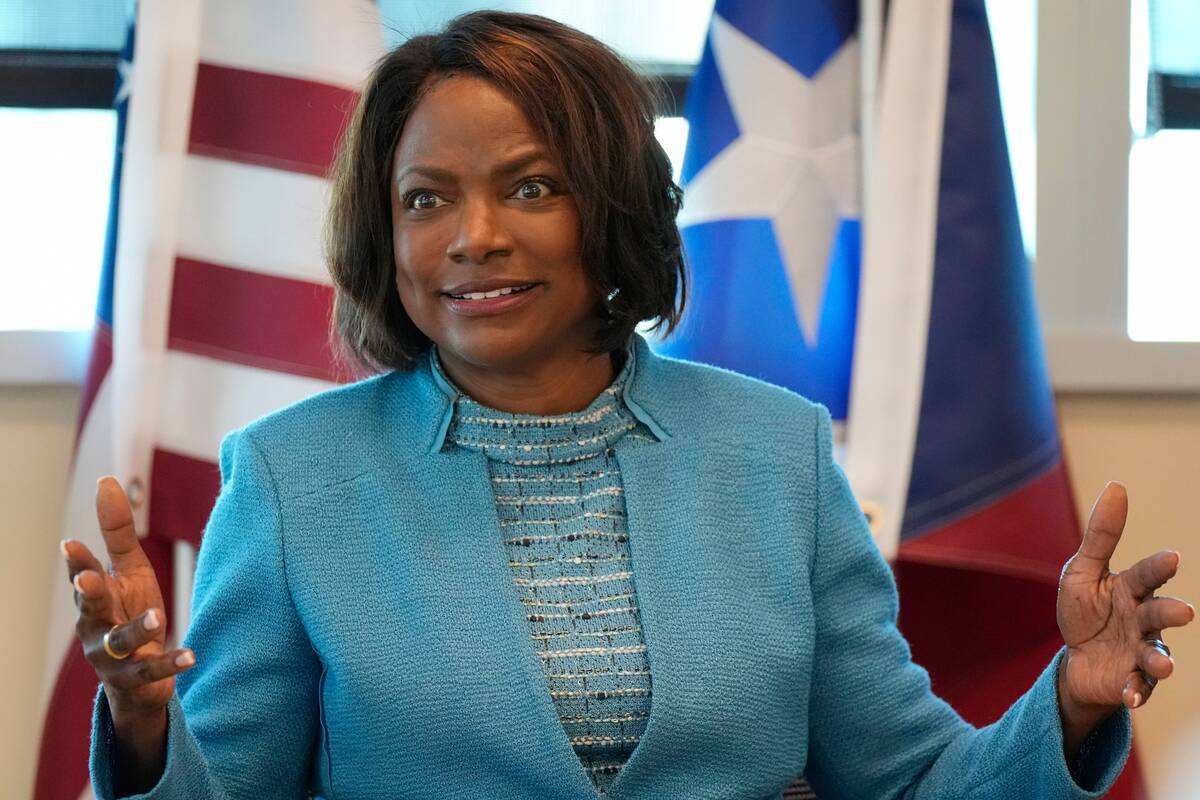 Rep. Val Demings (D-Fla.) speaks with leaders of the Puerto Rican community in Miami on Jan. 26. (Rebecca Blackwell/AP) | | | The League of Conservation Voters Action Fund is endorsing six Democrats running for the Senate in the midterm elections, according to details shared exclusively with The Climate 202. The endorsements come as Democrats seek to maintain their slim majority in the Senate — and with it, any hopes of passing ambitious climate legislation. The League of Conservation Voters Action Fund, the federal political action committee affiliated with the League of Conservation Voters, is throwing its support behind the following candidates: | - Rep. Val Demings of Florida, who is seeking to unseat Republican Sen. Marco Rubio.
- Rep. Abby Finkenauer of Iowa, who is running against incumbent Sen. Chuck Grassley and faces a crowded Democratic primary.
- Charles Booker of Kentucky, who is challenging incumbent Sen. Rand Paul after narrowly losing his primary bid last year to Democrat Amy McGrath, who later was defeated by Senate Minority Leader Mitch McConnell.
- Cheri Beasley of North Carolina, a former state Supreme Court chief justice who is running to succeed retiring Republican Sen. Richard Burr.
- Rep. Peter Welch of Vermont, who is vying to replace retiring Democratic Sen. Patrick J. Leahy.
- Lukas Kunce of Missouri, who is hoping to replace retiring GOP Sen. Roy Blunt.
| | This marks the League of Conservation Voters Action Fund's first non-incumbent batch of Senate endorsements this election cycle. The PAC has previously endorsed nine incumbent Senate Democrats, including noted climate hawk Sen. Brian Schatz (Hawaii). It has also doled out contributions to candidates through GiveGreen, which has raised more than $9 million so far during the 2021-2022 election cycle. Notably, the latest batch of endorsements includes two Black women: Demings and Beasley. There are currently no Black women in the Senate. "We're so excited about these candidates and the experience and diversity that they bring," Tiernan Sittenfeld, senior vice president of government affairs at the League of Conservation Voters, told The Climate 202. "It could not be more important for the Senate to look more like the rest of the country." | | Finkenauer said that she is "proud to have the League of Conservation Voters on our team to retire Chuck Grassley," who has held his seat since 1981. "With Iowa experiencing droughts, derechos, and everything in between, we need common sense to protect our state and our future," Finkenauer said in a statement. "Senator Grassley has sadly become a creature of DC, doing favors for special interests in exchange for their corporate campaign checks, and leaving working Iowans behind." Kunce, a 13-year Marine veteran who was deployed to Iraq and Afghanistan and later led arms control negotiations at the Pentagon, said in a statement that these experiences "made it fundamentally clear to me that our addiction to fossil fuels is a threat to our economy, our national security and our way of life." Booker, who previously served as administrative services director at the Kentucky Department of Fish and Wildlife Resources, told The Climate 202 that he appreciates the endorsement and believes in a "just transition" for former fossil fuel industry workers. "In many ways, Kentucky is Ground Zero for the ills of the fossil fuel industry because our land was exploited; our labor was exploited," Booker said in a short phone interview yesterday. "And now we're trying to heal." In the final three months of 2021, Paul reported $3.8 million in campaign receipts compared to Booker's $653,617. | | The race between Demings and Rubio is one to watch, given that Florida is uniquely vulnerable to the effects of climate change, including algal blooms, rising sea levels and stronger hurricanes. Demings, a former police chief, has a 97 percent lifetime score from the League of Conservation Voters. | - As chief of the Orlando Police Department, Demings led efforts to make the department's car fleet more efficient and helped reduce the agency's carbon footprint.
- Since coming to the House in 2017, the Democrat has consistently voted for legislation aimed at addressing climate change and boosting clean energy.
- In September, Demings introduced a bill to shore up the supply chain for components of solar, saying in a statement that "green energy means jobs."
| | By contrast, Rubio has a 6 percent lifetime score from the environmental group. | - Rubio has consistently voted against climate legislation, although he did miss some votes while campaigning for president in 2016.
- In 2019, Rubio wrote in a USA Today opinion piece: "Communities and local businesses in my home state of Florida are already dealing with the very real impacts of rising sea levels, and yet, the Green New Deal will do nothing to address that reality."
- Last year, Rubio joined the bipartisan Senate Climate Solutions Caucus, saying in a statement that he hoped to find "real and responsible solutions" to climate change.
- However, the Republican has rejected solutions to the climate crisis that involve phasing out fossil fuel use, a leading cause of rising global temperatures.
| | Since entering the Senate race, Demings has raked in funding from online donors. Demings raised $7.2 million in the last three months of 2021, compared to $5.2 million for Rubio. | | |  | On the Hill | | Sen. Manchin says bigger Build Back Better package is 'dead' | 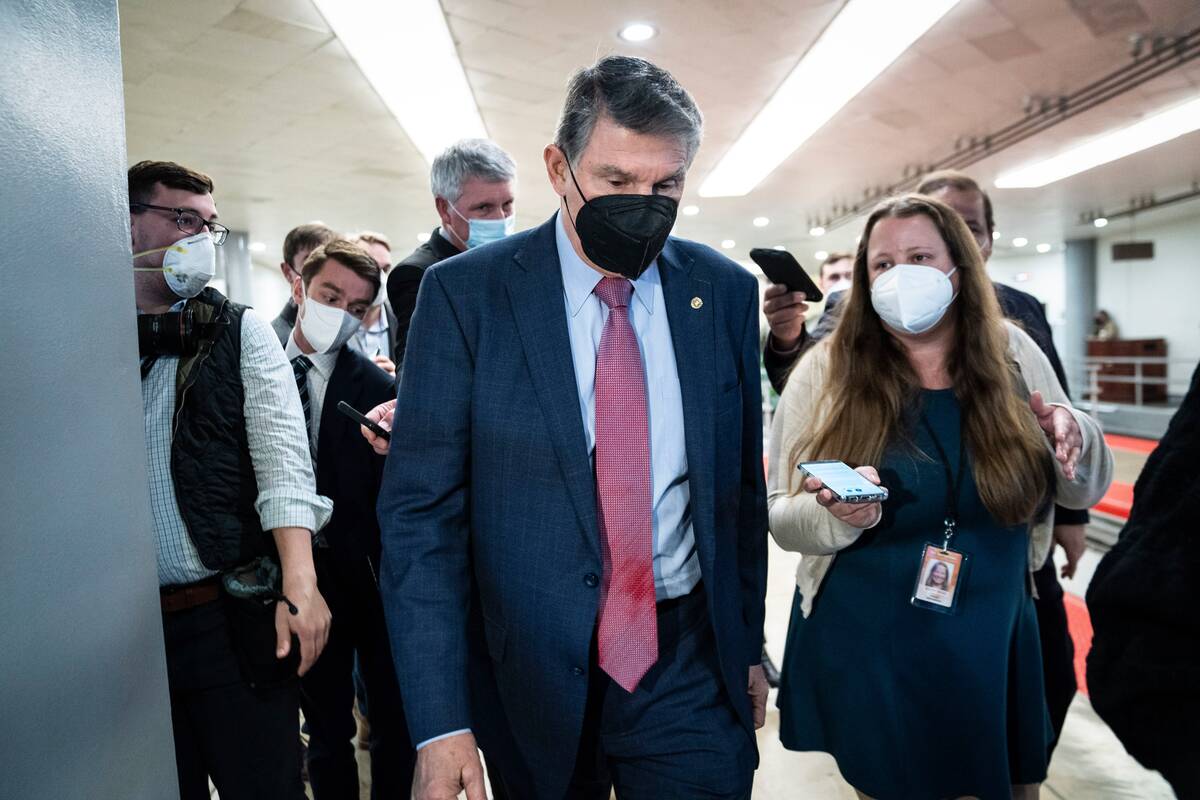 Sen. Joe Manchin III (D-W.Va.) on Capitol Hill on Feb. 1. (Jabin Botsford/The Washington Post) | | | Sen. Joe Manchin III (D-W.Va.) told reporters on Tuesday that Democrats' Build Back Better package is "dead," CNN's Clare Foran, Manu Raju and Ted Barrett report. Pressed to elaborate on his comment, the West Virginia Democrat said, "If they're talking about the whole big package, that's gone." On the possibility of supporting a smaller bill, he said, "We'll see what people come with. I don't know." As Politico's Burgess Everett pointed out, not much has changed since Manchin came out against the legislation in December, leaving Democrats scrambling to pass some kind of scaled-back version of the measure. While Manchin has emerged as a key obstacle to the bill's passage in the Senate, he has previously voiced support for its $555 billion in climate spending, including tax credits to spur the deployment of clean energy. Meanwhile, with the Build Back Better legislation stalled, Sen. Sheldon Whitehouse (D-R.I.) plans to deliver his 280th "Time to Wake Up" speech on the Senate floor this afternoon. The speech will mark the end of his one-year hiatus from taking to the floor each week to urge Congress to pass bold climate legislation. | Coal-state lawmakers embrace crypto | 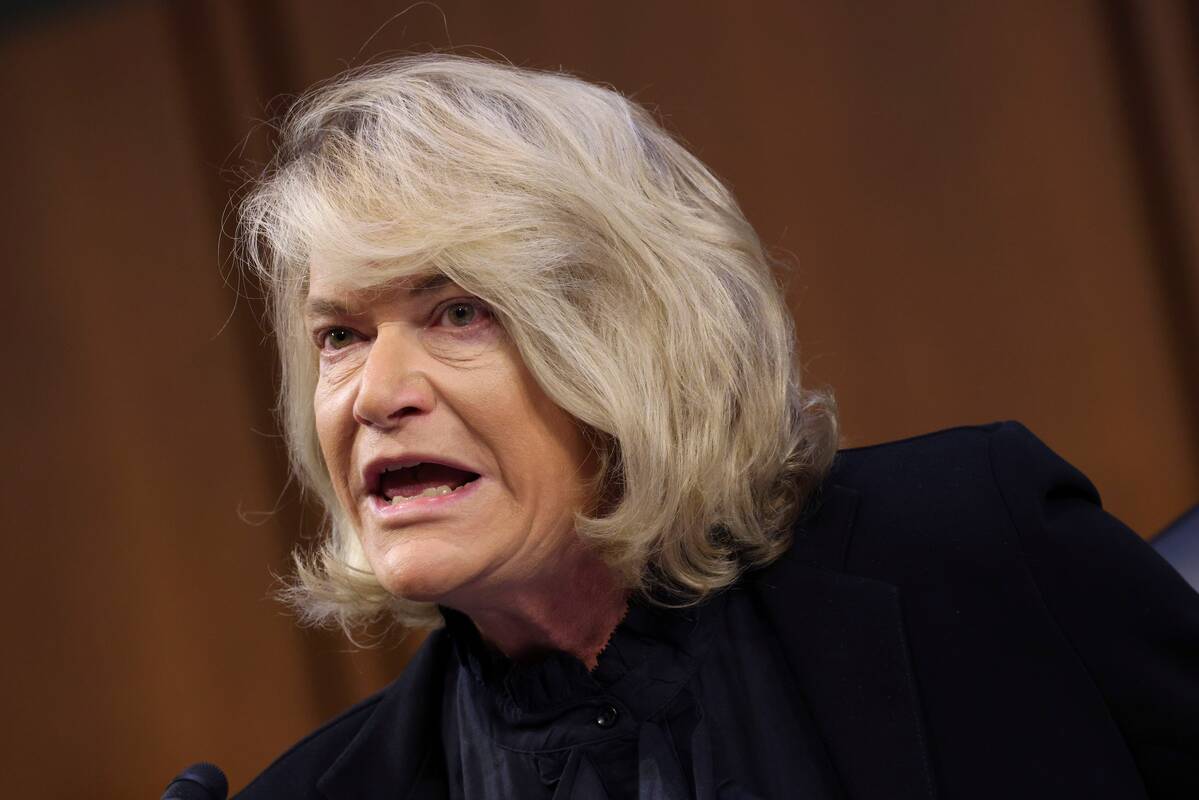 Sen. Cynthia M. Lummis (R-Wyo.) at a Senate Banking, Housing and Urban Affairs Committee hearing on Sept. 28. (Kevin Dietsch/Getty Images) | | | States such as Wyoming and Kentucky that were once the lifeblood of the country's coal mining industry are now starting to tie their economies to cryptocurrency, E&E News's Jael Holzman and Emma Dumain report. The trend has gained speed on Capitol Hill, with lawmakers looking to keep tabs on the industry and ultimately expand it. Sen. Cynthia M. Lummis (R-Wyo.) is expected to introduce legislation promoting a free-market approach to cryptocurrency regulation this year. And Rep. William Timmons (R-S.C.) is touting a new crypto data center in his district that claims it will achieve carbon neutrality. But the energy-intensive computing process required to make bitcoin, known as "proof-of-work" mining, has caught the attention of some climate activists and Democrats, who worry about its impact on the planet and the electricity grid. "The data shows that cryptomining can have harmful impacts on local residents, including higher electricity costs, increased pollution and weaker energy grids," Sen. Elizabeth Warren (D-Mass.) said in a statement to E&E News. | | |  | Extreme events | | Powerful winter storms in the Northeast could be fueled by climate change |  Boston residents have a snow day on Jan. 30. (Allison Dinner/Bloomberg News) | | | Scientists say the recent surge of extreme winter storms in the Northeast is probably tied to rising ocean temperatures and changes in the Arctic, The Washington Post's Jacob Feuerstein writes. One study found that near-record snowfalls are consistent with the effects of global warming and could be linked to warming episodes in the polar vortex, which disrupts the winds that keep cold Arctic air at bay and instead allows them to spill south into the United States. "When Arctic temperatures are cold, snowfall is less likely [in the Northeast]," Judah Cohen, the author of the study and director of seasonal forecasting at Atmospheric and Environmental Research, wrote in an email. "The probability of snowfall increases as the Arctic warms and spikes higher when the Arctic is warmest." Warming oceans, a hallmark of climate change, are also responsible for the heavy winter storms, scientists say. Storms strengthen when abnormally warm ocean temperatures clash with frigid Arctic air masses. | | |  | International climate | | E.U. move to label gas and nuclear as green sparks pushback | 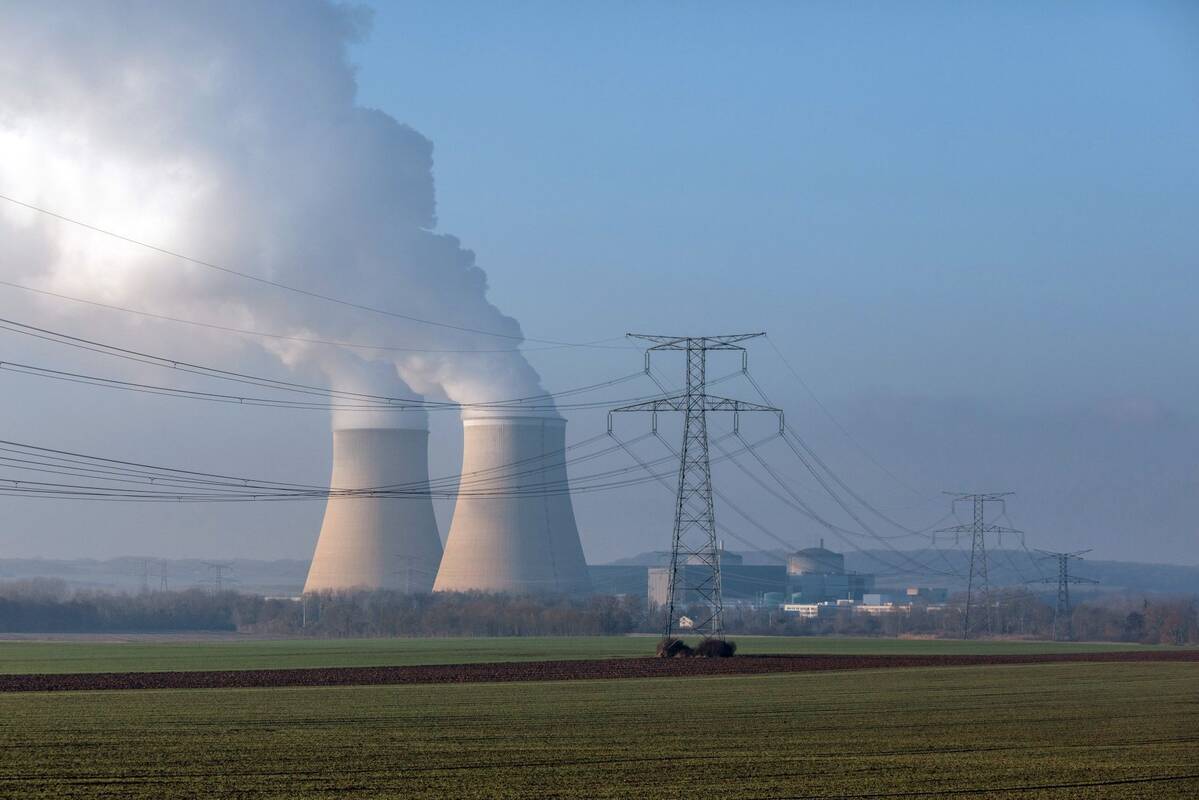 A nuclear power plant in Nogent-sur-Seine, France. (Cyril Marcilhacy/Bloomberg) | | | The European Commission on Wednesday will move to classify natural gas and nuclear power as sustainable investments, prompting allegations of "greenwashing," The Post's Emily Rauhala reports. The "EU taxonomy" defines green investments to steer spending toward projects that are consistent with the bloc's climate goals. The draft text circulated in late December included gas and nuclear as part of a transition to renewable energy. The final plan to be unveiled today is expected to remain largely the same. Several member countries supported the inclusion of gas, calling it a "bridge" fuel as they transition away from coal and toward renewables. France and others pressed for the inclusion of nuclear, despite fierce opposition from Germany. Greenpeace blasted the proposal as a "license to greenwash," while a group of powerful investors including BlackRock and Vanguard wrote in an open letter to E.U. representatives that including gas would "seriously compromise Europe's status as a global leader in sustainable finance." | | |  | Viral | | | Peter Gleick, co-founder of the Pacific Institute, on the irony of Groundhog Day: | 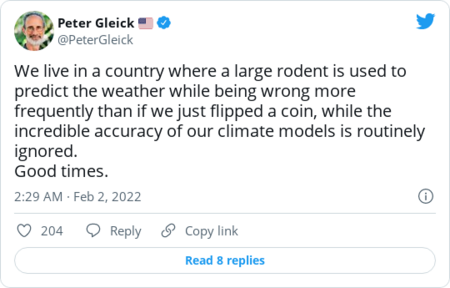 | | | | |