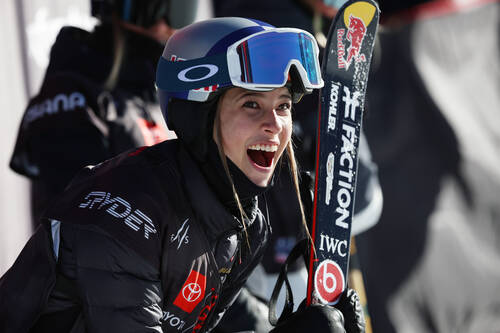
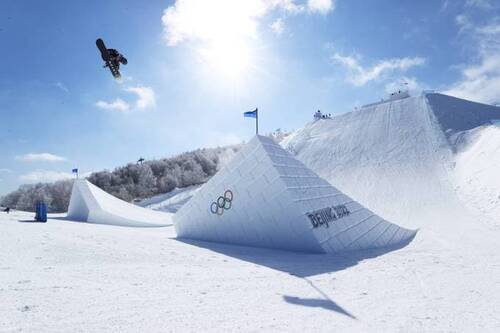
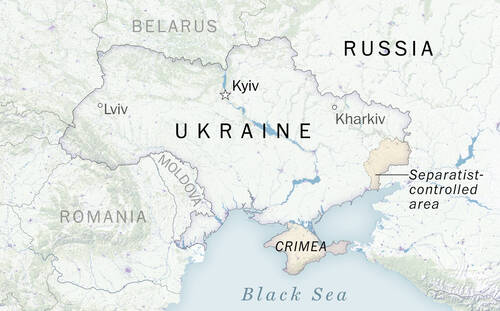
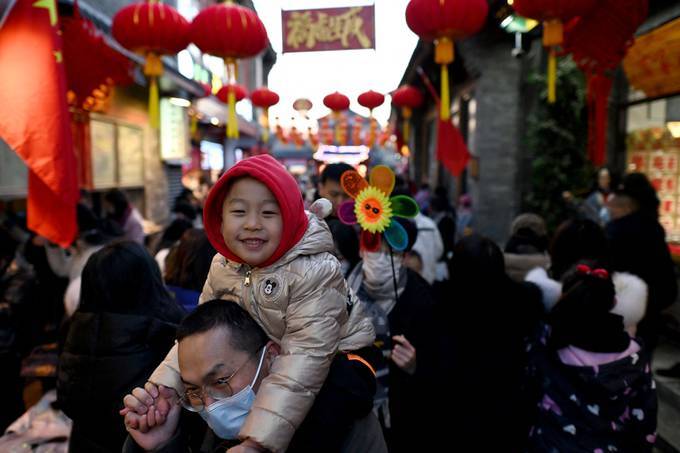
| Even after two years of pandemic disruptions, the Beijing Winter Olympics stand out as a uniquely jarring event. These Winter Games, which started with the Opening Ceremonies yesterday, are unsettling for athletes, for viewers — and for the international journalists chronicling them. What it's like here in BeijingOrganizers set up a "Closed Loop" that will govern all activities during the Olympics. In the Tokyo Games last summer, some free movement was permitted, and restrictions were eased after 14 days. But in Beijing, Games participants — including me and my colleagues — required multiple negative tests just to enter the "Closed Loop," which we can't leave for as long as we remain at the Games. What's it like? "The Beijing Olympics are composed of Beijing and the Olympics, and the two are walled off from each other," Adam Kilgore wrote in a terrific story taking readers inside this experience. What's it like? "You get a cotton swab shoved down your throat daily and few chances to get a taste of the region," Jerry Brewer wrote in a column about the sadness of this experience. "The diligence about health and safety may increase the likelihood of getting through the next three weeks relatively unscathed, but the host will hardly get the chance to flicker, let alone shine." What's it like? "I feel like I'm really getting to see China — through a bus window," said editor Matt Rennie, who's leading our coverage. (Follow all of it here.) Trapped in the penalty boxWe have a robust coverage team here in Beijing — two editors, a foreign correspondent, nine writers and another en route — but we all feel like we're peering through windows, wrapped in plastic, separated from reality. At the 2008 Summer Games, The Post's Beijing bureau chief took our Olympic contingent to one of his favorite restaurants, a marvelous spot in the middle of a downtown park. We visited the Forbidden City. Some of us went to the Great Wall. And we got a feel of place and of people, mingling with residents and visitors, athletes and coaches. 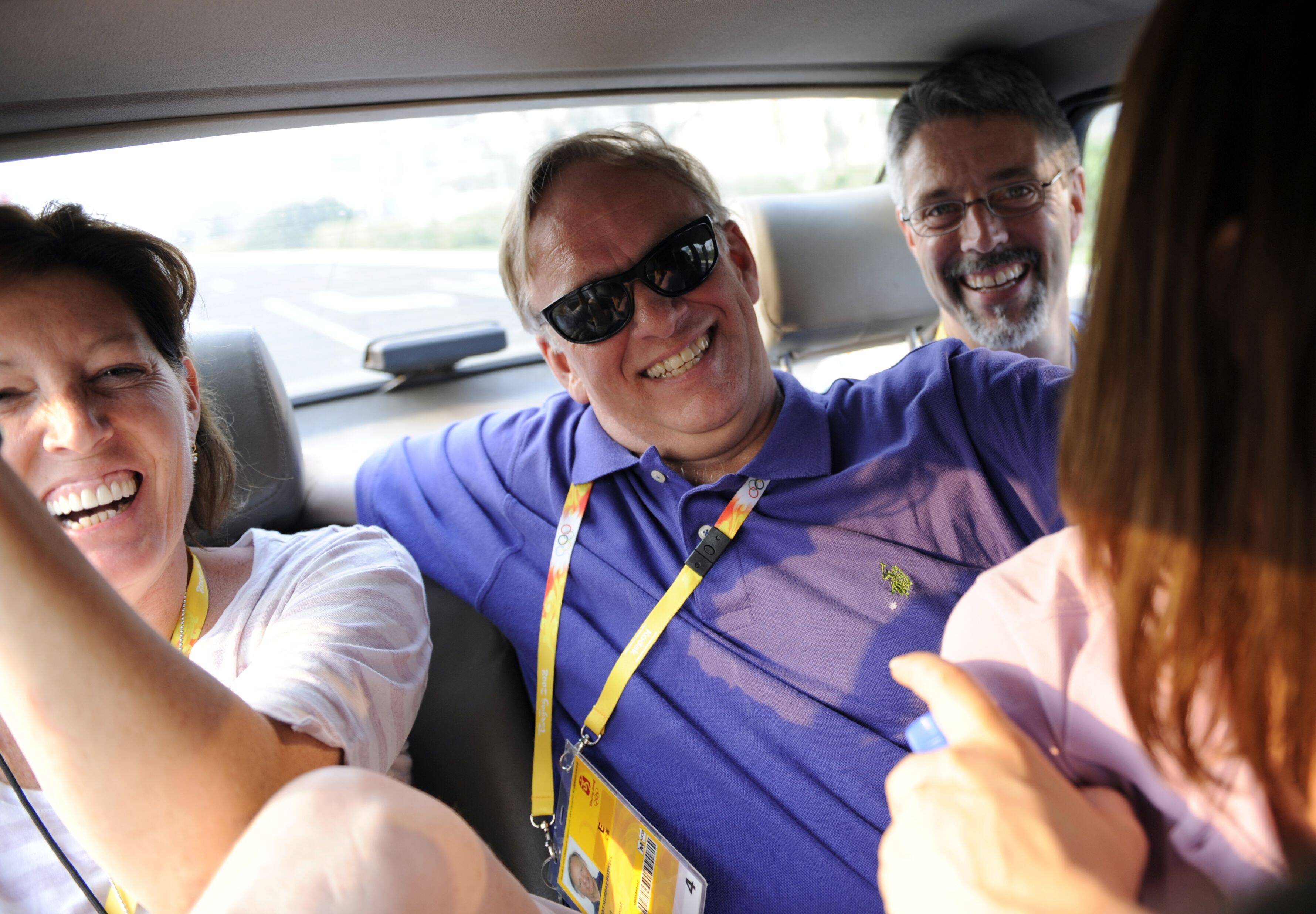 From left: Sally Jenkins, Tom Boswell and Chris White crammed in the back of a taxi at the 2008 Olympics in Beijing. (Jonathan Newton/The Washington Post) | 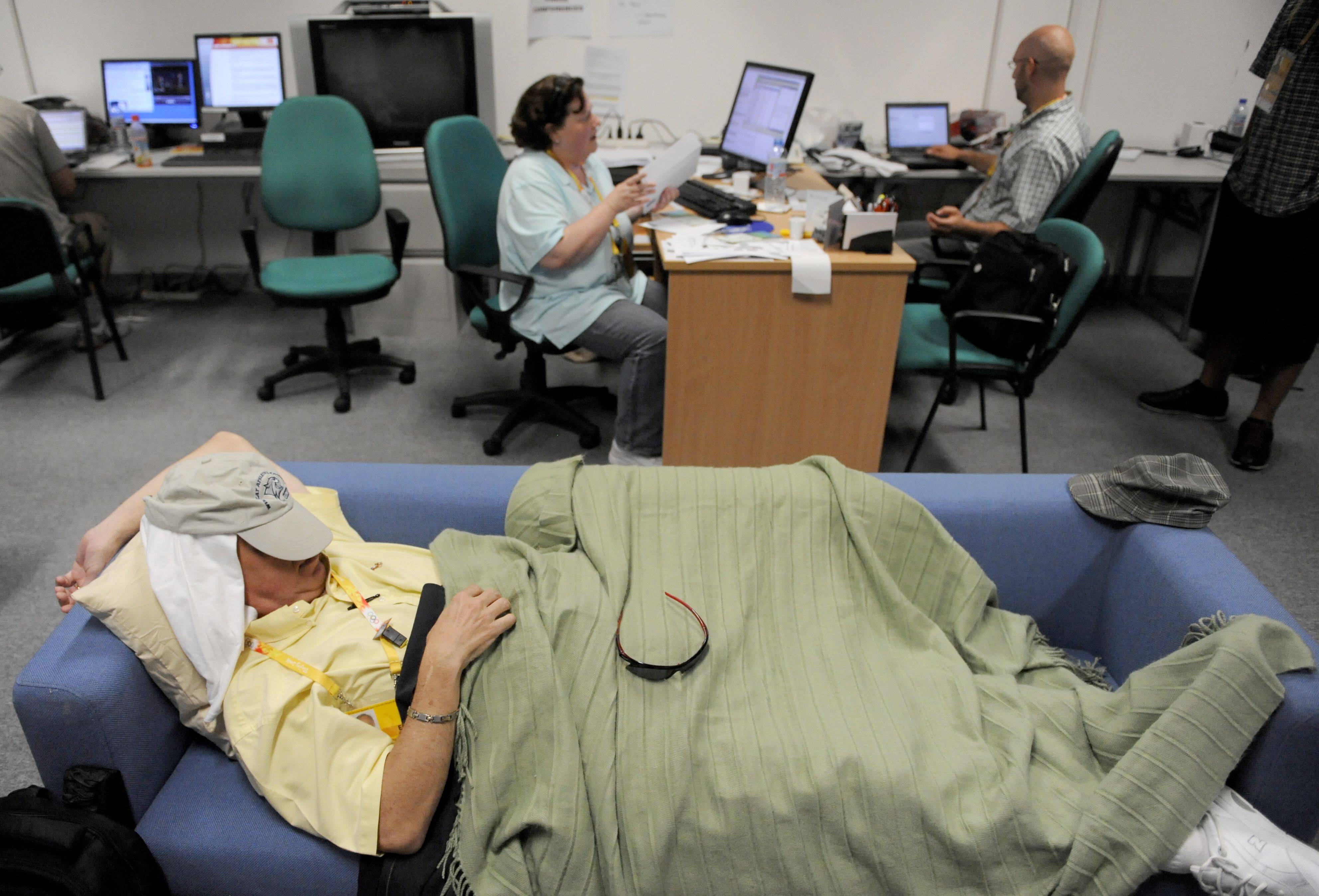 Tom Boswell naps while Tracee Hamilton and Dan Steinberg work at the 2008 Olympics in Beijing. (Jonathan Newton/The Washington Post) | I also wore a mask at that Olympics for a very different reason than today. This time, our regular interactions with our hosts include those daily swabs — administered by employees swaddled head to toe in protective gear, sitting inside a hut, reaching out to us through giant rubber gloves. We eat in one of two restaurants, separated from each other by plexiglass shields. (We call it the penalty box.) Our hotel is surrounded by high fences, which are opened only to let buses in and out. Because of security and privacy concerns, we have two burner phones each (one to use for providing mandatory health information to Olympics organizations), a direction not to use social media sites on them, and zero contact with the world outside the bubble. 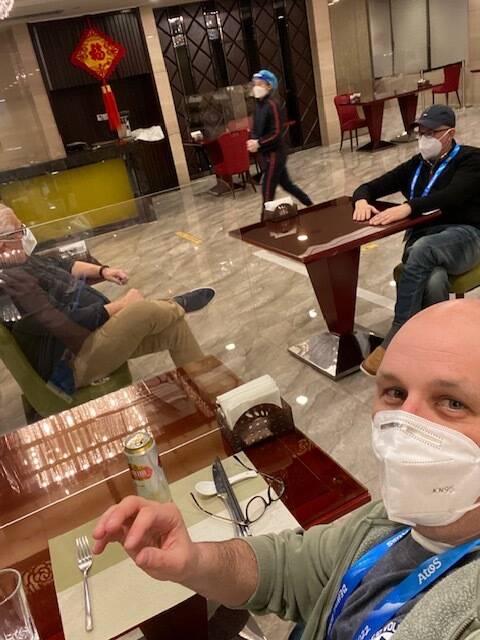 Post staffers Dave Sheinin (top), Dan Steinberg (bottom) and Barry Svrluga eating dinner at their Olympics hotel this week separated by plexiglass barriers. (Dan Steinberg) | 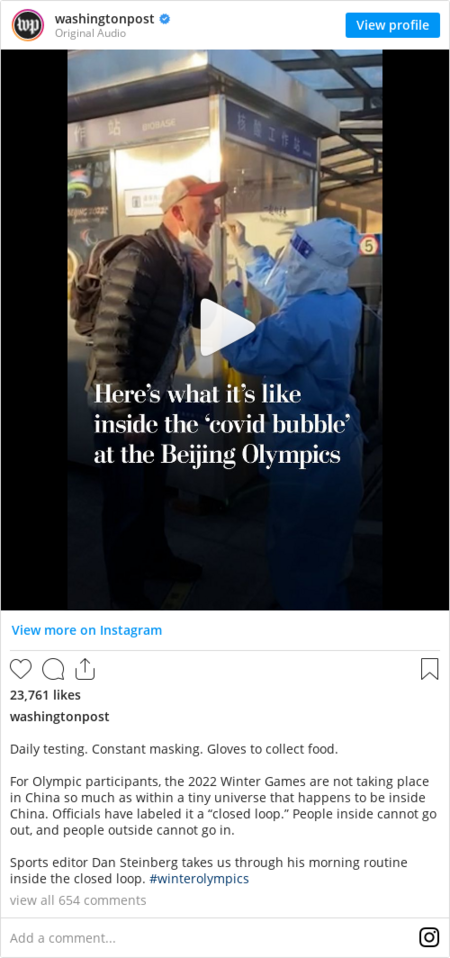 (An Instagram video from Dan Steinberg in the "covid bubble" in Beijing.) | Time to shineAthletes are enduring the same conditions — and are expected to perform and excel for an international audience regardless. As in Tokyo, the mental well-being of competitors is expected to be a major theme over the next two weeks, as athletes deal with isolation, testing, empty venues, the specter of human rights abuses and general uneasiness. Self-care runs through many of the fascinating stories our staff has already delivered. There's skier Mikaela Shiffrin, one of the faces of Team USA, who talked to Barry Svrluga about her harrowing winter, including a bout with covid. Red Gerard, a rambunctious pipsqueak when he won snowboarding gold four years ago, now balancing a more serious outlook with a dedication to the purity of his counterculture sport. Hilary Knight, a decorated hockey star and full-time disrupter, campaigning for gender equity. The athletes, as always, are the one thing that can redeem this show — and the reason we're all so happy to be inside this strange bubble. 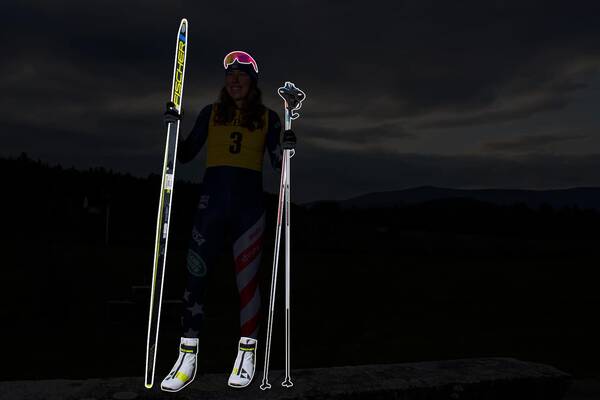 (Photo by Kim Raff for The Washington Post) The Winter Olympics are tests not only of athletic achievement but of design and engineering. By Dave Sheinin ● Read more » |    | | | With one foot in each country, medal favorite seeks to strike a perilous balance. By Les Carpenter ● Read more » | | | Team USA star has bigger goals in mind for women's hockey. By Roman Stubbs ● Read more » | | | | From rejoining the Paris climate accord to restoring safeguards undone by Donald Trump, the new administration had a hectic first year By John Muyskens, Brady Dennis and Juliet Eilperin ● Read more » | | | | | | The proposal to seize and analyze "NSA unprocessed raw signals data" raises legal and ethical concerns that set it apart from other attempts that have come to light. By Josh Dawsey, Rosalind S. Helderman, Emma Brown, Jon Swaine and Jacqueline Alemany ● Read more » | | | | | 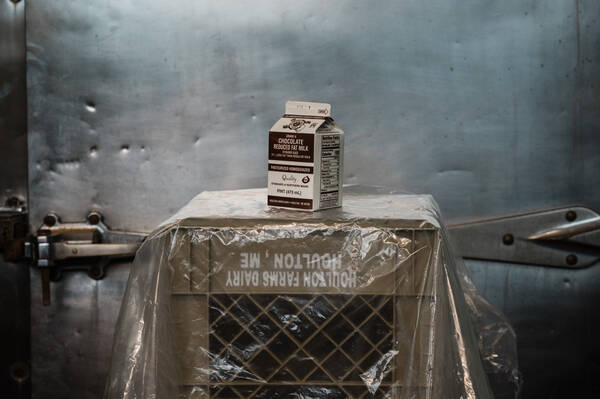 (Tristan Spinski for The Washington Post) A beloved chocolate milk has become the latest casualty of a supply chain warped by two years of a global pandemic. By Joanna Slater ● Read more » | | | | | All snow at the Games comes from machines, but churning it out is just the beginning. Here's how freshly made piles are track-packed, slush-tilled and side-slipped into the unique surfaces that Olympians need. By Bonnie Berkowitz and Artur Galocha ● Read more » | | | | This week marked the launch of Damon Young's column in the Magazine. He writes about the angst, anxieties and absurdities of American life — specifically culture, class, money and race. Perspective ● By Damon Young ● Read more » | | | | | 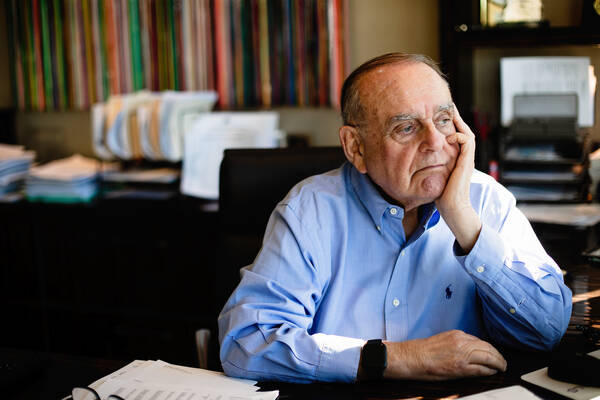 (Scott McIntyre for The Washington Post) After the best year in history to be among the super-rich, one of America's 745 billionaires wonders: "What's enough? What's the answer?" By Eli Saslow ● Read more » | | | | | Cold weather provides hard, fast terrain should Russia decide to invade Ukraine. By Júlia Ledur, Ruby Mellen, Laris Karklis and Mary Ilyushina ● Read more » | | | |




 Email
Email