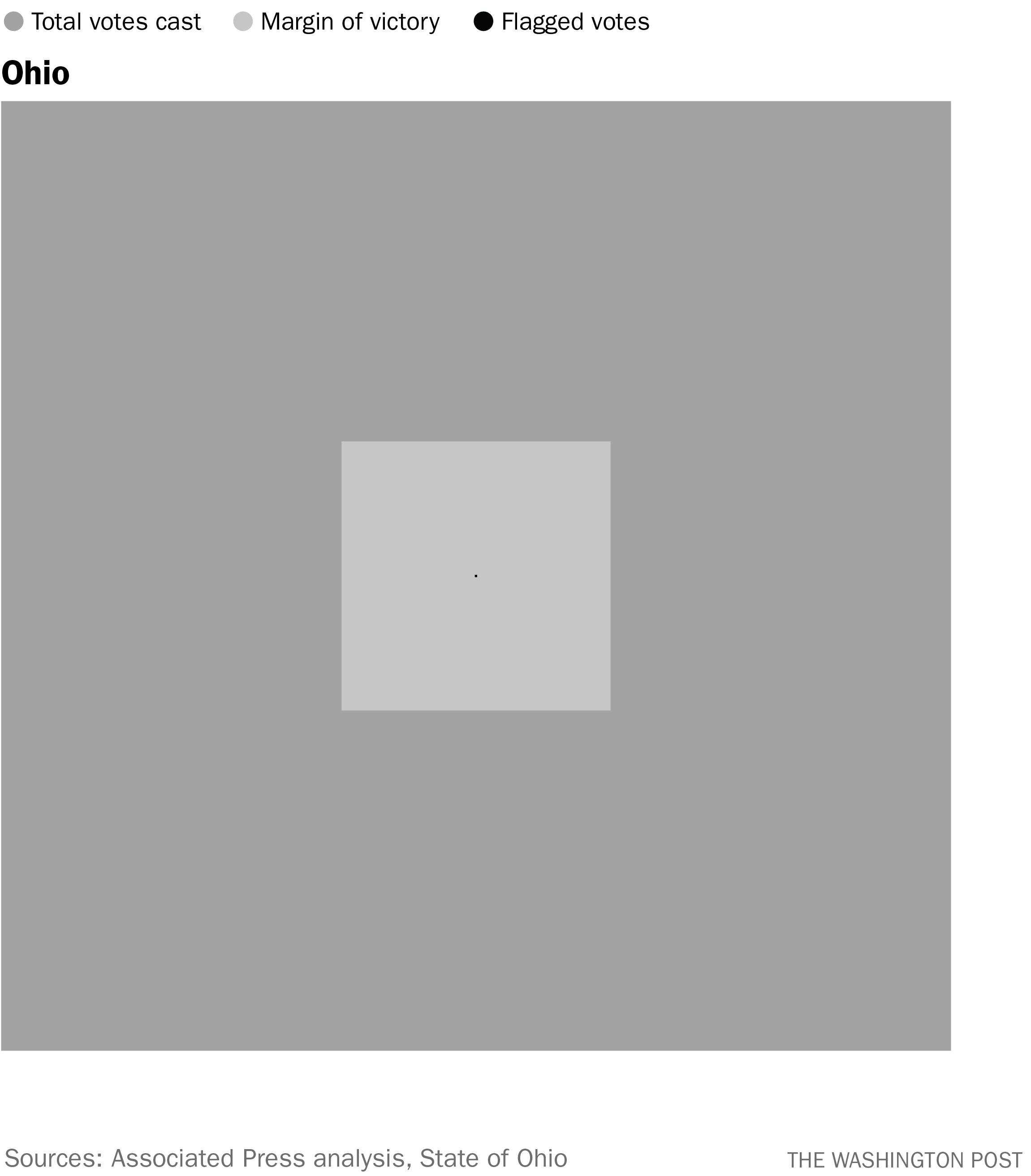
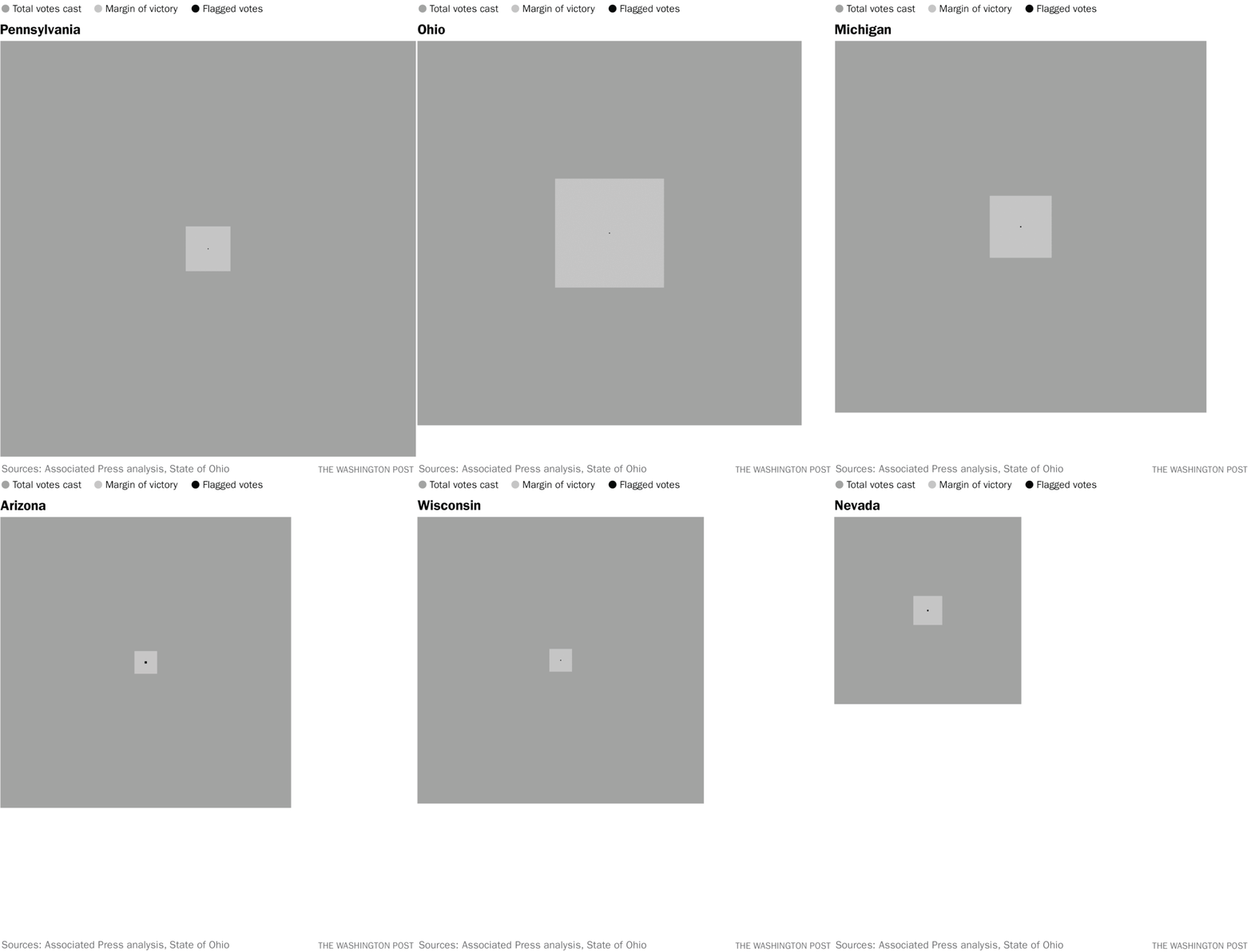
| Did Emperor Norton forward this to you? Sign up here. One of the central challenges of working in the media in the year 2022 is that there are millions of people who are simply uninterested in receiving accurate information about the world. You may pride yourself on this being solely a function of those on the other side of the political spectrum but, I assure you, it is not. That is very literally a "both sides" statement, you will notice, but noting that something is a problem at both poles is not saying that it is an equivalent problem at both poles. And, to my point, the extent to which the Donald-Trump-supporting political right rejects obvious components of reality is far broader than the extent to which the Donald-Trump-loathing political left does. For me personally, the frustration is compounded by the fact that so much of the Republican base's rejection of reality centers on data. It's like having someone rant and rave at you as they also mispronounce your last name. The second part makes the first part so much worse. So when the state of Ohio revealed that it had finished its review of the 2020 vote, determining that only 31 of the 5.9 million votes cast were at all suspicious — just slightly less than the 475,000-vote margin by which Trump won the state — my immediate reaction was not: Oho, now people will have to acknowledge that voter fraud is not a significant problem in elections! (My brain uses the interjection "oho" because it was transplanted from a 17th-century British nobleman.) Instead my reaction was: How can I reinforce how ludicrously small that number of votes is in the grand scheme of things in a desperate attempt to convince people that this thing they think is a problem is not a problem? This was how I did so. This is a simple visualization. The dark gray square represents the number votes cast in Ohio in 2020. The light gray box is the margin by which Trump won. The black square — which, I assure you, does exist — is the number of votes determined to be suspicious. Again, this is not 31 fraudulent votes cast for Biden, indicating a broad scheme to throw the election. It is 31 maybe-illegal votes for unknown candidates that changed literally nothing. The style of the chart above was adopted from a story I wrote last year looking at an Associated Press effort to index possible fraud cases nationally. In six states that Trump claimed had been afflicted by fraud (and which he lost), the AP's reporters found fewer than 500 contested ballots. So I made a little animation showing those six states plus Ohio. Very small black dots in a big expanse of light gray. (If you're curious how I did this, it's not complicated. It involved taking the square root of each value at issue (votes cast, vote margins, questioned ballots) to determine the size of the square and scaling the squares relative to the largest value, the total number of votes cast in Pennsylvania. Math!) My article was quite direct about all of this, by the way. The issue of "fraud" as construed by Trump and his allies often isn't really about actual alleged illegal voting. There's simply no evidence, 16 months later, that any significant illegal voting occurred. Instead, "fraud" has been conflated with "ways in which more Democrats were able to vote" to tie that latter category to purported malfeasance. My presenting the world's most elegant demonstration of the lack of illegal voting (which the above is not, to be clear) will not dissuade many Republicans from believing fraud occurred because many of them believed it would occur even before voting began. If someone convinces you that 2 + 2 will equal 5, it doesn't really matter how many times I show you that it doesn't. | 


 Email
Email