 | | Maxine Joselow | | Supreme Court to hear case that could narrow the Clean Water Act | 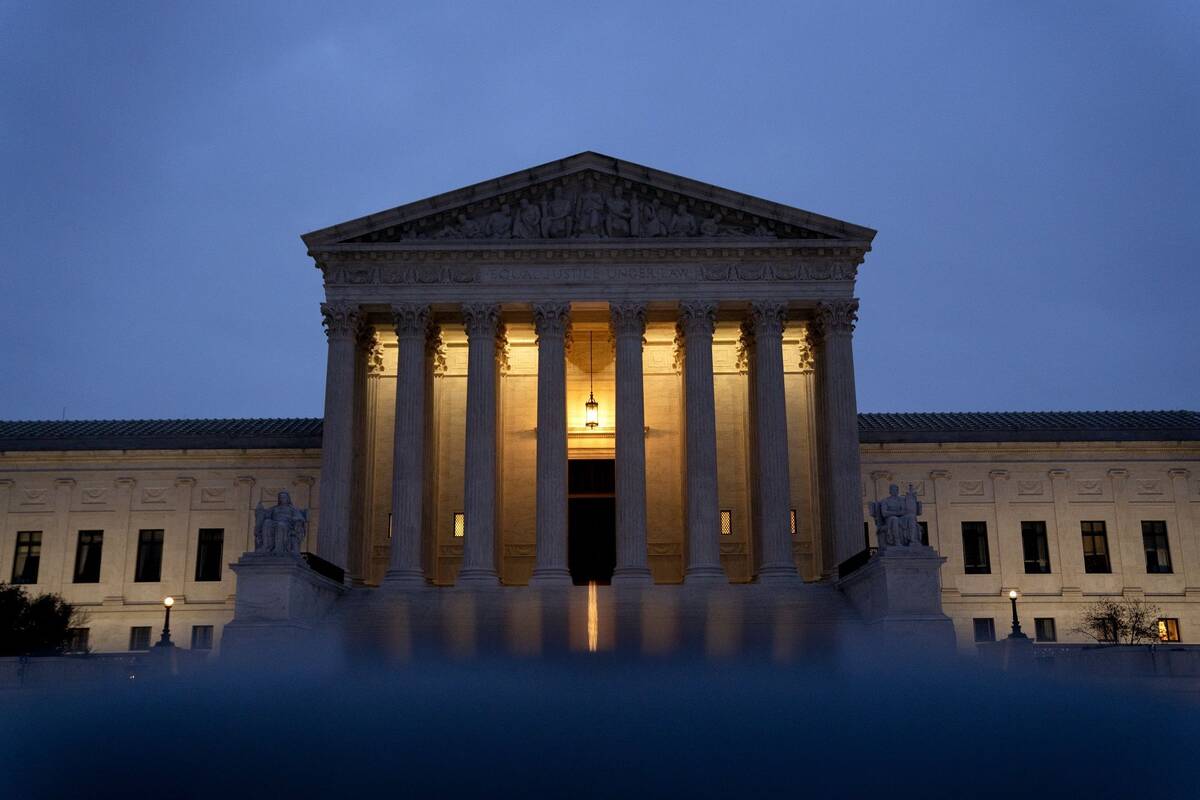 The Supreme Court on Dec. 8. (Stefani Reynolds/Bloomberg News) | | | The Supreme Court said yesterday that it would hear a challenge to the scope of the Clean Water Act, sparking concern from environmentalists that the high court could narrow the law's reach "in ways long sought by developers and homebuilders," as The Washington Post's Robert Barnes reported. The order was the latest indication that the conservative majority on the Supreme Court is stepping in to assess the limits of the nation's bedrock environmental laws — potentially in ways that hamstring President Biden's environmental agenda. It comes as the justices are poised to hear oral arguments in February in cases challenging the Environmental Protection Agency's authority under the Clean Air Act to regulate greenhouse gas emissions from coal-fired power plants. "It seems like we have a new conservative supermajority on the court that is much more inclined to do a slash-and-burn expedition through our major environmental laws," Robert Percival, who directs the University of Maryland's environmental law program, told The Climate 202. Here's what to know about these pending cases: | | The justices said yesterday that they would consider, probably in the term beginning in October, a long-running dispute involving Chantell and Michael Sackett, an Idaho couple prevented from building a home on their land by an EPA order, which determined that the property contained a wetland and the couple needed a federal permit. | | The Sacketts, who are represented by the conservative Pacific Legal Foundation, have won at the Supreme Court before. This time, they're calling on the high court to resolve the famously muddled 2006 case Rapanos v. United States, in which the justices split 4-1-4 over the definition of "waters of the United States," which the Clean Water Act was passed to protect in 1972. | - Under the test proposed by then-Justice Anthony M. Kennedy, a wetland must have a "significant nexus" to regulated waters. Federal courts have favored this interpretation, which informed the Obama administration's Clean Water Rule in 2015.
- Under the narrower definition proposed by then-Justice Antonin Scalia, a wetland must have a "continuous surface connection" to regulated waters. Organizations such as the U.S. Chamber of Commerce and National Association of Home Builders favor this interpretation, which informed President Donald Trump's Navigable Waters Protection Rule.
- A federal court has since struck down Trump's rule. The Biden administration is planning to issue a new rule.
| | Mark Ryan, a Clean Water Act expert who worked as a lawyer at the EPA for 24 years, told The Climate 202 that he thinks at least five members of the court's conservative majority — Justices Samuel A. Alito Jr., Amy Coney Barrett, Neil M. Gorsuch, Brett M. Kavanaugh and Clarence Thomas — could vote to adopt Scalia's narrower test. "There are at least five justices who are skeptical of giving agencies too much authority," Ryan said. Damien Schiff, a senior attorney at the Pacific Legal Foundation, told The Climate 202 that he and the Sacketts were "very pleased" that the justices agreed to hear the case. "To the extent that there are many justices on the court today who would be attracted to a textualist analysis, I think for that reason alone, the test from the Scalia plurality would be attractive," he added. | Democrats to SCOTUS: Preserve the EPA's climate authority | | Meanwhile, the Supreme Court is poised to hear oral arguments in West Virginia v. EPA, in which Republican-led states are challenging the EPA's authority under the Clean Air Act to regulate carbon dioxide from coal-fired power plants, on Feb. 28. The Climate 202 previously covered these cases in depth here. But in a new development, 192 Democrats in both chambers of Congress are urging the justices to preserve the agency's climate authority, according to an amicus brief shared exclusively with The Climate 202. | - Section 111 of the Clean Air Act "must be read as broadly authorizing the EPA to address new and evolving air pollution problems, including greenhouse gas emissions from existing [power plants]," the brief says.
- The brief was led by House Select Committee on the Climate Crisis Chair Kathy Castor (Fla.), House Energy and Commerce Chair Frank Pallone (N.J.) and Senate Environment and Public Works Chair Thomas R. Carper (Del.). It was signed by 29 senators and 163 members, including House Speaker Nancy Pelosi (Calif.).
| | "Congress drafted the Clean Air Act to stand the test of time," Carper said in a statement. "This sweeping law allows EPA to use the latest available science to curb harmful climate pollution and the threat it poses to our health and economy." A separate coalition of lawmakers, including Sens. Sheldon Whitehouse (D-R.I.) and Bernie Sanders (I-Vt.), also filed an amicus brief yesterday that asserts the challengers' arguments "reek of politics." | | |  | Climate in the courts | | Baltimore faces off against Big Oil today | 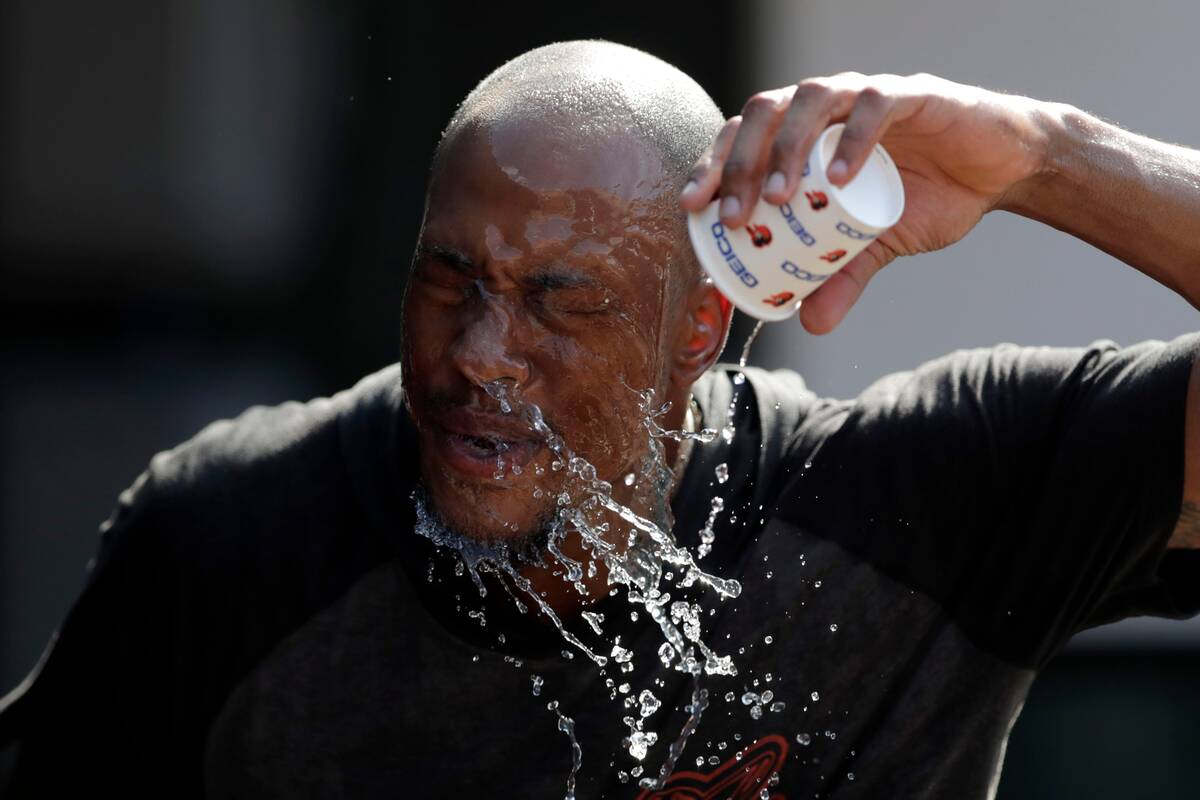 Baltimore Orioles outfielder Keon Broxton during a heat wave in 2019. (Julio Cortez/AP) | | | In other big legal news, a federal appeals court today will consider a climate change lawsuit brought by Baltimore against more than two dozen oil and gas companies. The U.S. Court of Appeals for the 4th Circuit will hold virtual oral arguments today at 9:30 a.m. EST in Mayor and City Council of Baltimore v. BP PLC, in which Maryland's largest city is calling on 26 fossil fuel companies to help cover the costs of addressing sea-level rise, heat waves and other effects of the climate crisis. | - The case previously made it to the Supreme Court on a narrow technical question to whether the lawsuit belongs in state court, which Baltimore views as a more appropriate setting, or federal court, which the oil industry sees as a friendlier venue?
- Following the Supreme Court's narrow ruling in favor of the oil industry, the 4th Circuit will consider the entire scope of the fossil fuel industry's arguments for why the case belongs in federal court.
- Since 2017, six states and 20 municipalities have filed similar lawsuits that accuse the oil industry of deceiving the public for decades about the dangers of burning fossil fuels and releasing greenhouse gas emissions.
| | "Baltimore and other communities deserve their day in state court to hold these polluters accountable and make them pay their fair share of the damage they knew their products would cause," said Richard Wiles, president of the Center for Climate Integrity, a group that supports the litigation. Phil Goldberg, special counsel for the Manufacturers Accountability Project, an initiative of the National Association of Manufacturers that opposes the litigation, said the 4th Circuit's ruling could indicate how other courts approach similar cases going forward. | | "The first domino falls today," Goldberg said. | | |  | Pressure points | | U.S. climate envoy John Kerry warns: 'We're in trouble' | 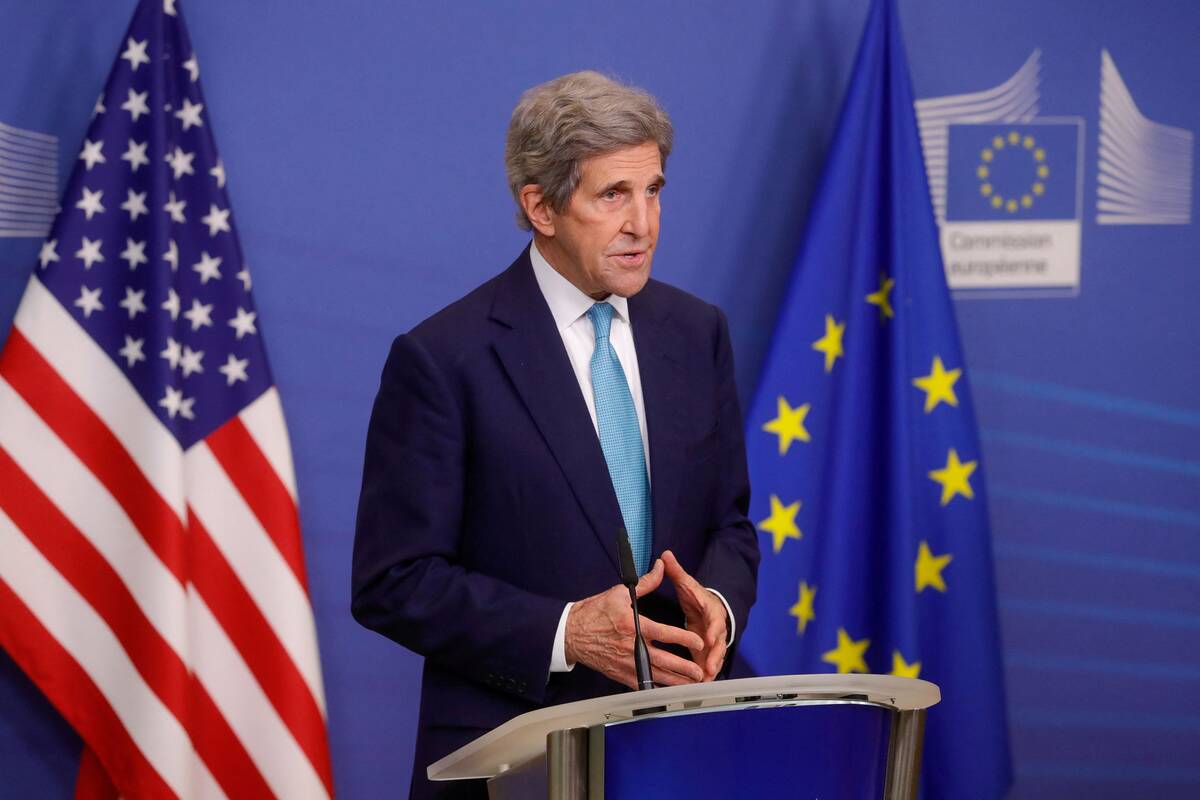 U.S. climate envoy John F. Kerry speaks at the European Commission in Brussels on Dec. 9. (Stephanie Lecocq/Pool/Reuters) | | | The world remains severely off track to meet its climate goals, and nations have to act more aggressively to cut greenhouse gas emissions this decade, U.S. climate envoy John F. Kerry said on a panel yesterday hosted by the U.S. Chamber of Commerce, according to Brady Dennis, a climate reporter at The Post who watched the virtual event. "We're in trouble; I hope everybody understands that," Kerry said. "But not trouble we can't get out of." Kerry spoke on the panel alongside Egypt's foreign minister, Sameh Shoukry, to preview the United Nations climate summit in Egypt this fall, known as COP27. He bemoaned the fact that global use of coal — the dirtiest fossil fuel — ticked back up last year amid rising gas prices, including in the United States. "This is doable," Kerry said of the transition toward clean energy. "What frustrates me some days is how doable it is, and yet how much procrastination there is. And our greatest enemy right now, frankly, is just the status quo." Shoukry said Egypt would use COP27 to highlight the need of African nations for clean energy technology, as well as the need of vulnerable countries for climate finance to help them green their economies and adapt to climate effects. | Dollar stores are still selling inefficient light bulbs | 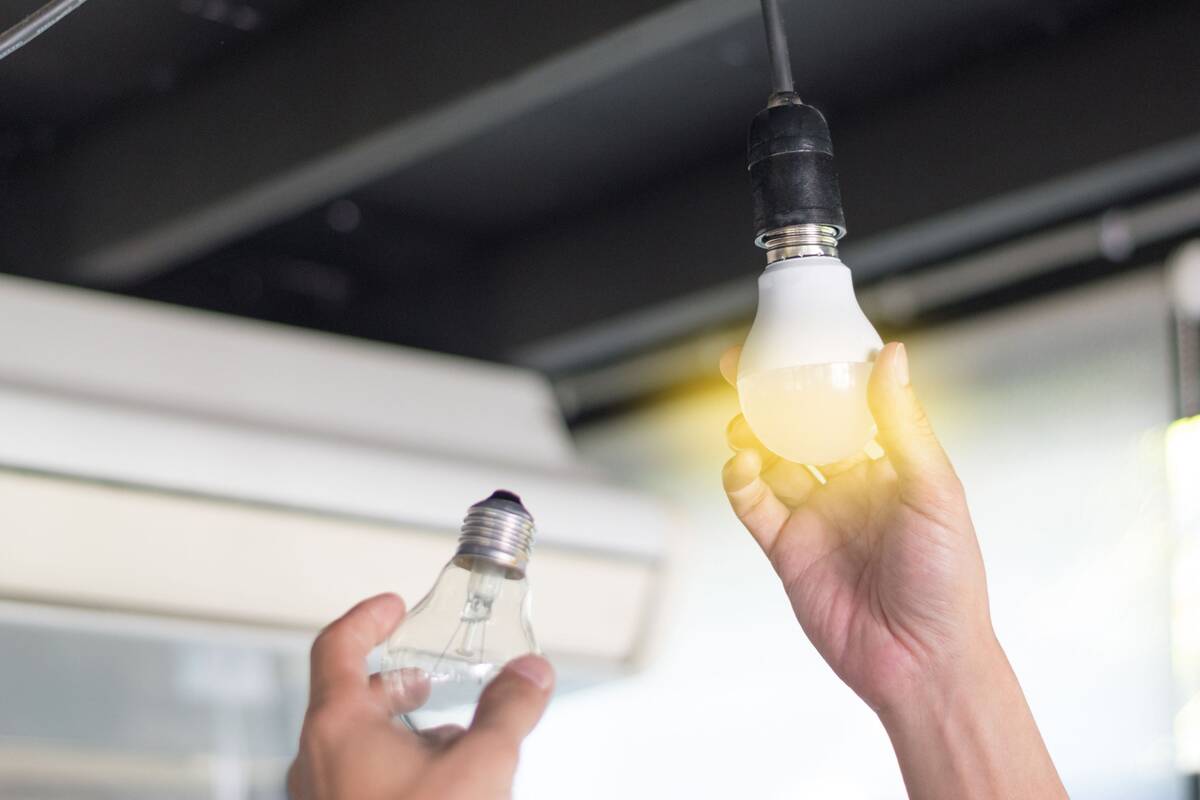 An LED light bulb is installed. (iStock) | | | Retailers such as dollar stores and convenience markets are still offering highly inefficient incandescent light bulbs, keeping lower-income customers from saving hundreds of dollars on their electricity bills, the New York Times's Hiroko Tabuchi reports. "The disparity underscores how, even as an energy efficiency revolution sweeps the United States, its benefits aren't being shared equally," Tabuchi writes. A delay in energy efficiency standards has allowed manufacturers to continue selling the incandescent bulbs, rather than energy-saving LED bulbs — often at a higher profit margin. Signify, the multinational corporation that makes Phillips light bulbs, called the older product a "cash engine" in a 2018 report. | | |  | Extreme events | | California sees record dry January | 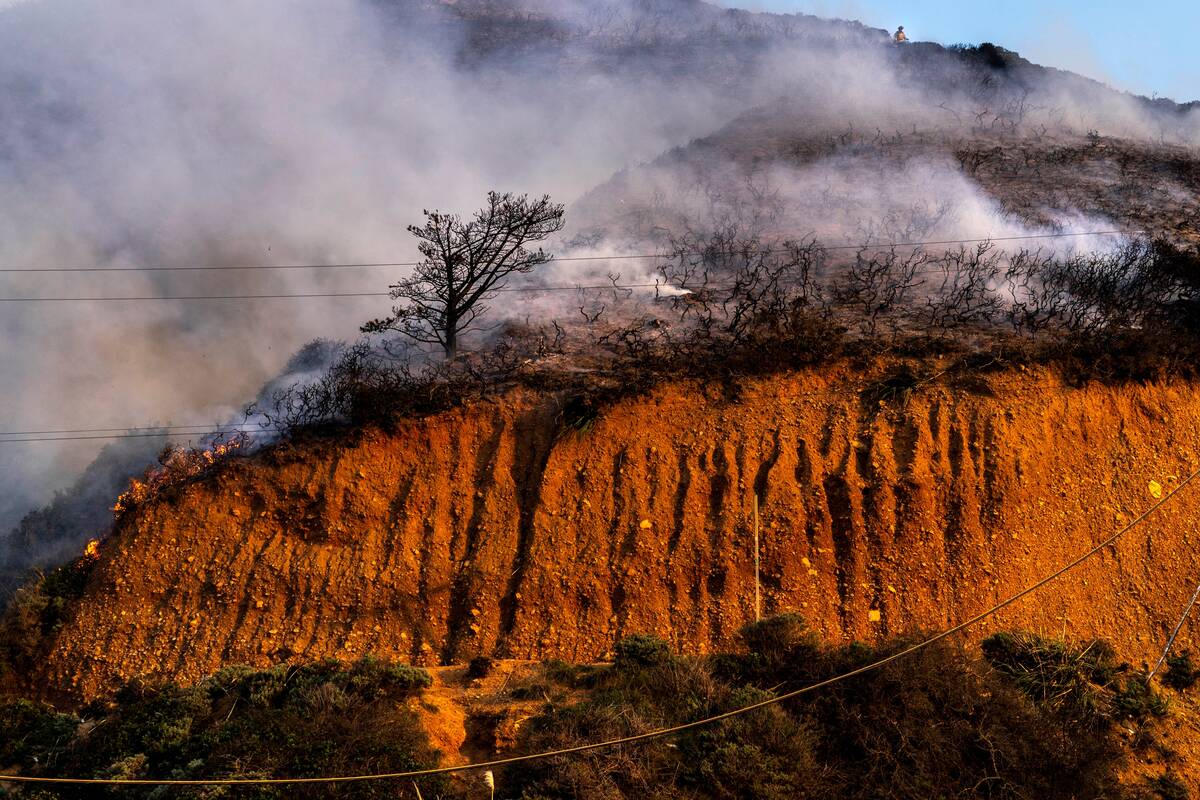 Firefighters battle the Colorado Fire above the Bixby Bridge along California's Highway 1 on Jan. 22. (Melina Mara/The Washington Post) | | | Many parts of central California have gotten almost no rain or snow so far this month. The record lack of precipitation portends continuing water challenges for a state enduring a multiyear drought, Jacob Feuerstein writes for The Post. In previous years with insufficient precipitation, California has grappled with huge wildfires, lost agricultural production and water rationing. Most recently, the Colorado Fire prompted evacuations in the state over the weekend. | | |  | Viral | | | We would give this presentation an A: | 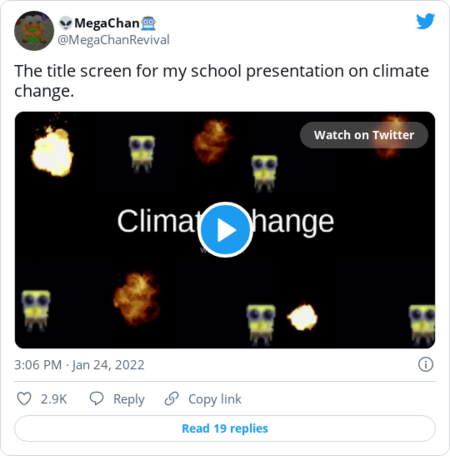 | | | | |