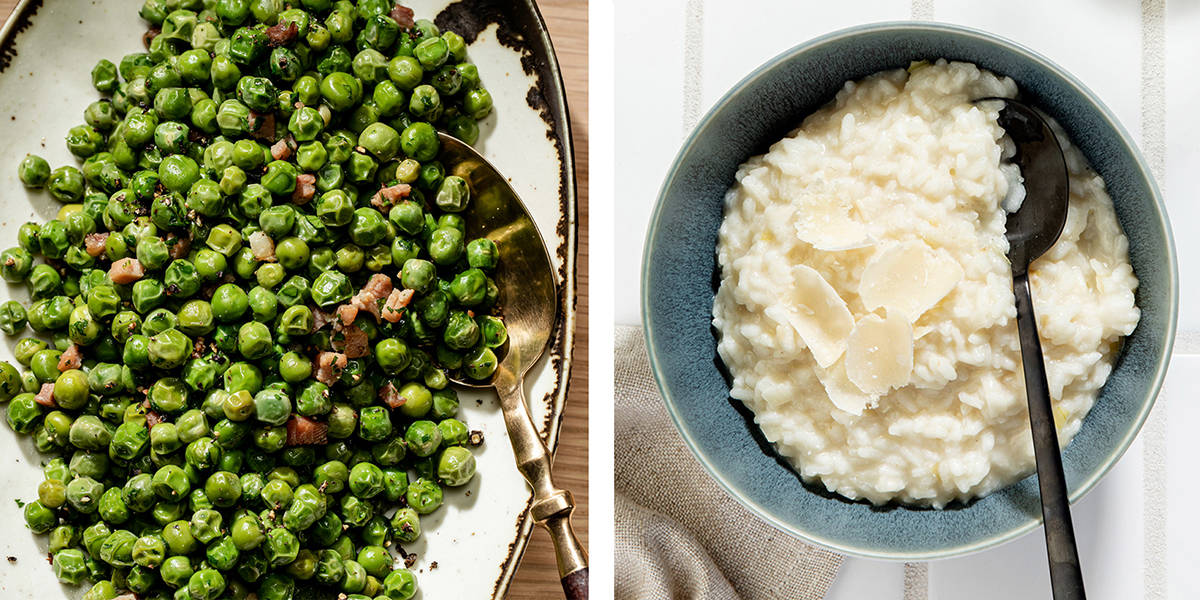
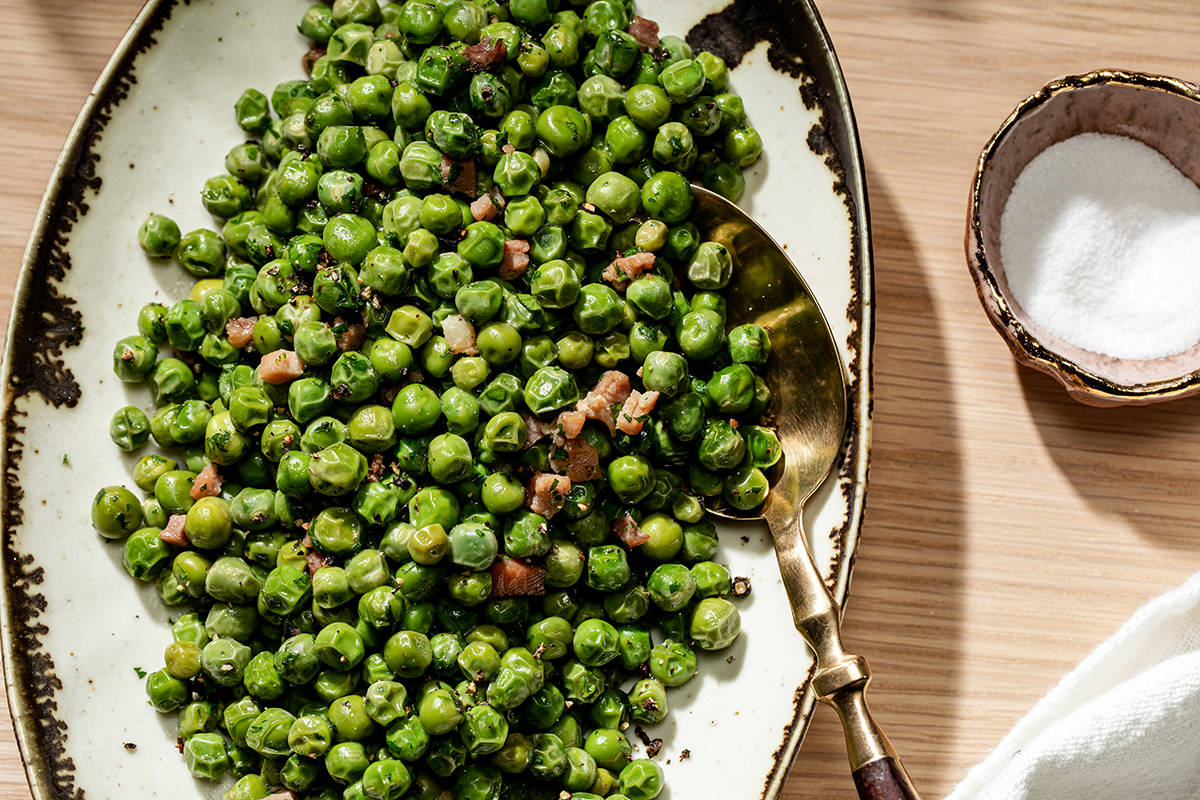
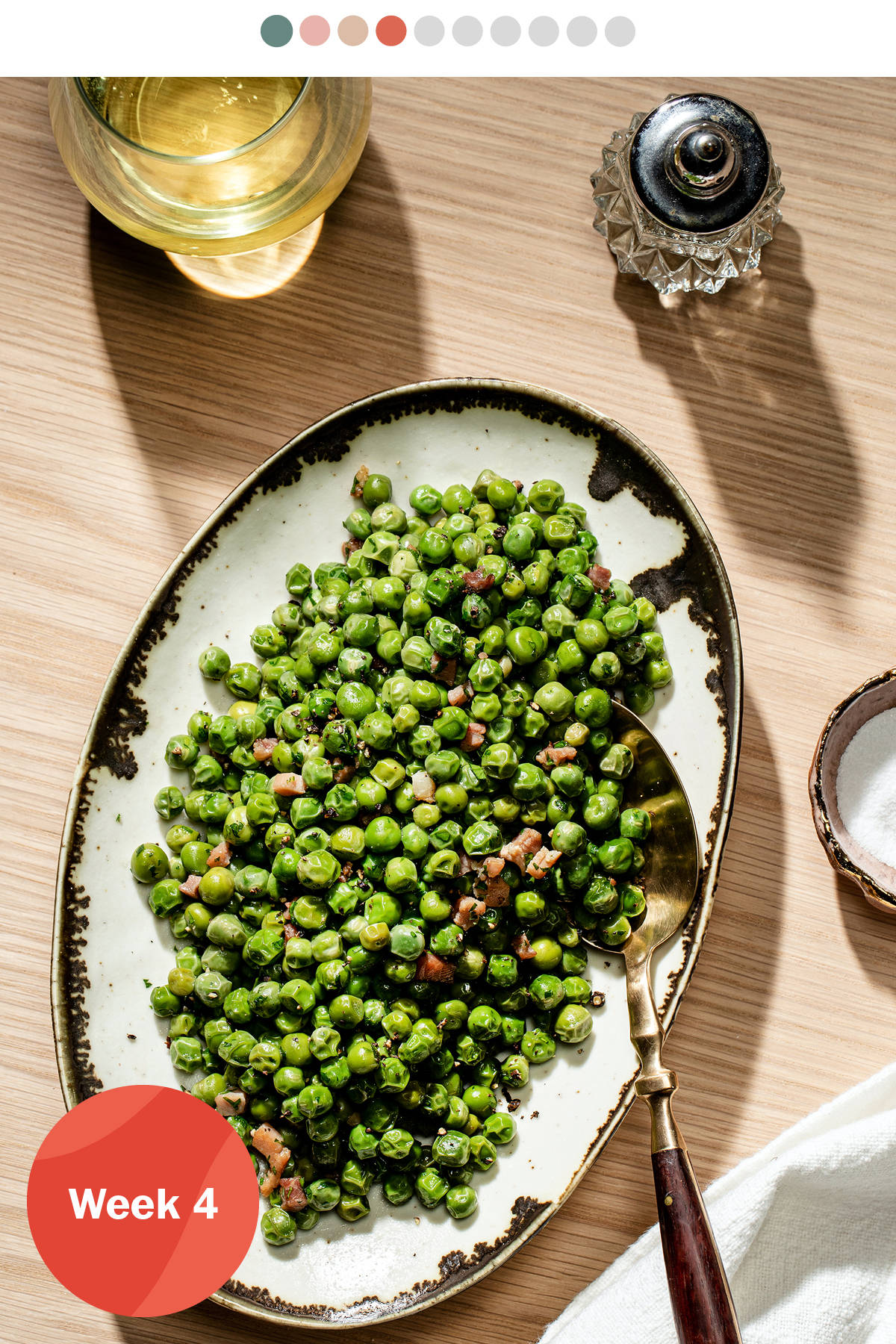
Marcella Hazan's 'Essentials of Classic Italian Cooking'Two things it might be time to clear up in Week 4: I may have suggested I don't cotton to the belief that a cookbook can be eternally essential. That is mostly true, but I am an idealist and I like to hold out hope — also, people are complicated; self-contradiction is part of human existence. I may also have implied that this list is objective. That's typically how such lists are presented. You know it's impossible, right? A purely objective list of "best" things? If it's created by humans, some subjectivity is bound to sneak in. With that in mind, let me announce this week's cookbook. It is Marcella Hazan's "Essentials of Classic Italian Cooking," and it will be essential for all time. Or, at least starting from 1973, when her debut, "The Classic Italian Cookbook" was published. In 1992, it was combined with her second book, "More Classic Italian Cooking," which followed five years later, and the whole was revised, retitled and presented as this, her magnum opus. Maybe if our species or our technology evolves so much that we no longer need to feed ourselves or cook, we will no longer need "Essentials," but until then, I suggest everyone have a copy on hand so they can make her famously (and duly) popular four-ingredient tomato sauce, Bolognese, roast chicken with lemons, pork cooked in milk, and eggplant Parm. More important, you should have it because it will give you a working knowledge of how to handle pasta, rice, meats, fish, eggs and vegetables in a simple, rustic way, with a few everyday ingredients that couldn't be more conducive to home cooking (or eating). 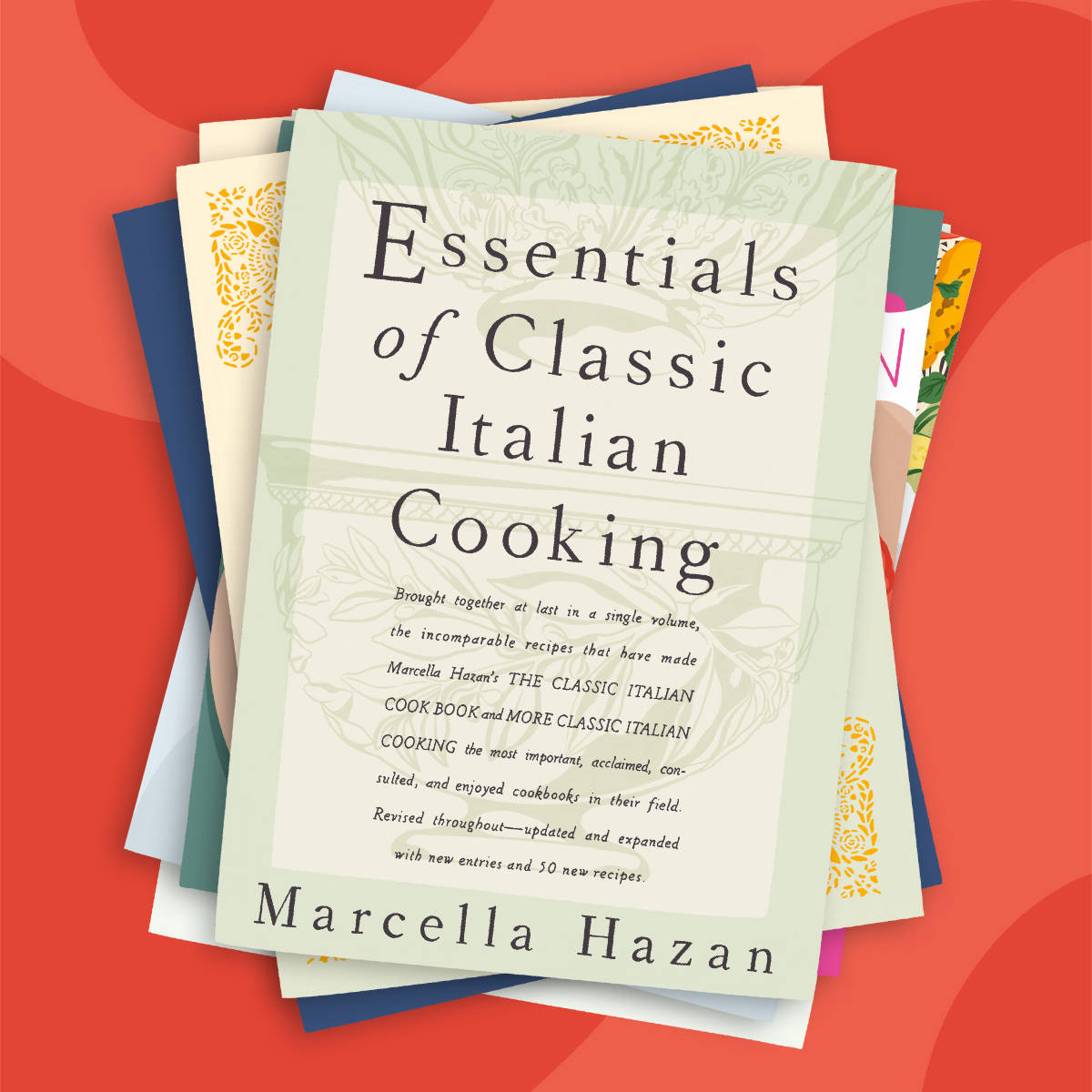 | Here's a funny thing I recently learned from food writer Elizabeth Minchilli about the Italian-born author: Hazan's recipes were already dated by the time she published them. She came to America as a newlywed in 1955 at age 31, and what she had been eating back in her native country, and subsequently cooked for her husband (and collaborator) Victor — and immortalized in her cookbooks — was the food of post-War Italy. But we took to it 20 years later and haven't stopped embracing it. Hazan proved her timelessness from the very start. The first time I heard Marcella Hazan's name was the first time my mother, Nancy, served me peas and prosciutto; I thought it was the best version of an ingredient I already loved (peas!) and couldn't wait to eat it again. Nothing has changed. See? Timeless. Mom's favorite are the braised carrots tossed in a heaping of Parmesan when they're still hot so the cheese melts in, and Hazan seemed pretty fond of that one as well. "I know of no other preparation in the Italian repertory, or in other cuisines, for that matter, more successful than this one in freeing the rich flavor that is locked inside the carrot," she wrote (with Victor's help). Like everyone else, Mom also made the Bolognese, and the roast chicken. Lately, every Sunday when I ask her what my parents are doing for dinner, she's either making Hazan's cannellini and tuna salad or my father is conjuring up a frittata. Hazan has a separate section for frittatas in the cookbook. As with so many Italian standards she has taught generations to cook, her method and instructions for nailing one remain the benchmark (you run it under the broiler to finish it, a la Dad). This will always be true. Why? Marcella is forever.  | Menu | Sauteed Early Peas With Olive Oil and Prosciutto, Florentine Style Here is my forever favorite Marcella Hazan recipe — and my favorite recipe in this 10-week series. Risotto With Parmesan Cheese Basic can be a beautiful thing, like when it's a bowl of piping hot, creamy risotto simply flavored with Parmesan cheese.  | Focus on the pasta wisdom | Even if the only thing you ever think you'll be capable of or inclined to do is cook store-bought pasta and sauce, Marcella's book would be worth it for the pasta chapter alone. It's a foolproof guide to not screwing up your spaghetti or fusilli. First comes the section "The Essentials of Cooking Pasta," then, "Matching Pasta to Sauce," where, for each shape, there's a selection of recommended sauces (all of them offered as recipes should you wish to not buy the jarred stuff.) Boxed fusilli does well with chunky tomato-based and denser cream sauces, while all kinds of olive oil-bound or tomato sauces are spaghetti's soulmates. Rule of thumb: "Factory-made pasta carries sauce firmly and boldly; homemade pasta absorbs it deeply."  | Recipes | Sauteed Early Peas With Olive Oil and Prosciutto, Florentine StyleThis is one of the most perfect culinary combinations: sweet, starchy, bright green peas and ruddy lardon-like nuggets of salty prosciutto. Italians eat it as a side dish, but I can make a meal of it, and I could probably eat it many times a week and not get sick of it. (It's easy enough to cook; there's really nothing standing in my way). Frozen peas are the way to go, and I like to get them almost blistered, leaving them in the pan a little longer at the end (sorry, Marcella). I also endorse grating some Parmesan over the top (again, apologies, Marcella). For easy printing and scaling, view this recipe on our website at washingtonpost.com/recipes. IngredientsServings: 4 to 6
Active time: 15 minutes
Total time: 20 minutes 2 garlic cloves
2 tablespoons extra-virgin olive oil
2 tablespoons 1/4-inch diced prosciutto or pancetta
1 (10-ounce) package frozen tiny peas, thawed
2 tablespoons finely chopped fresh flat-leaf parsley
Freshly ground black pepper
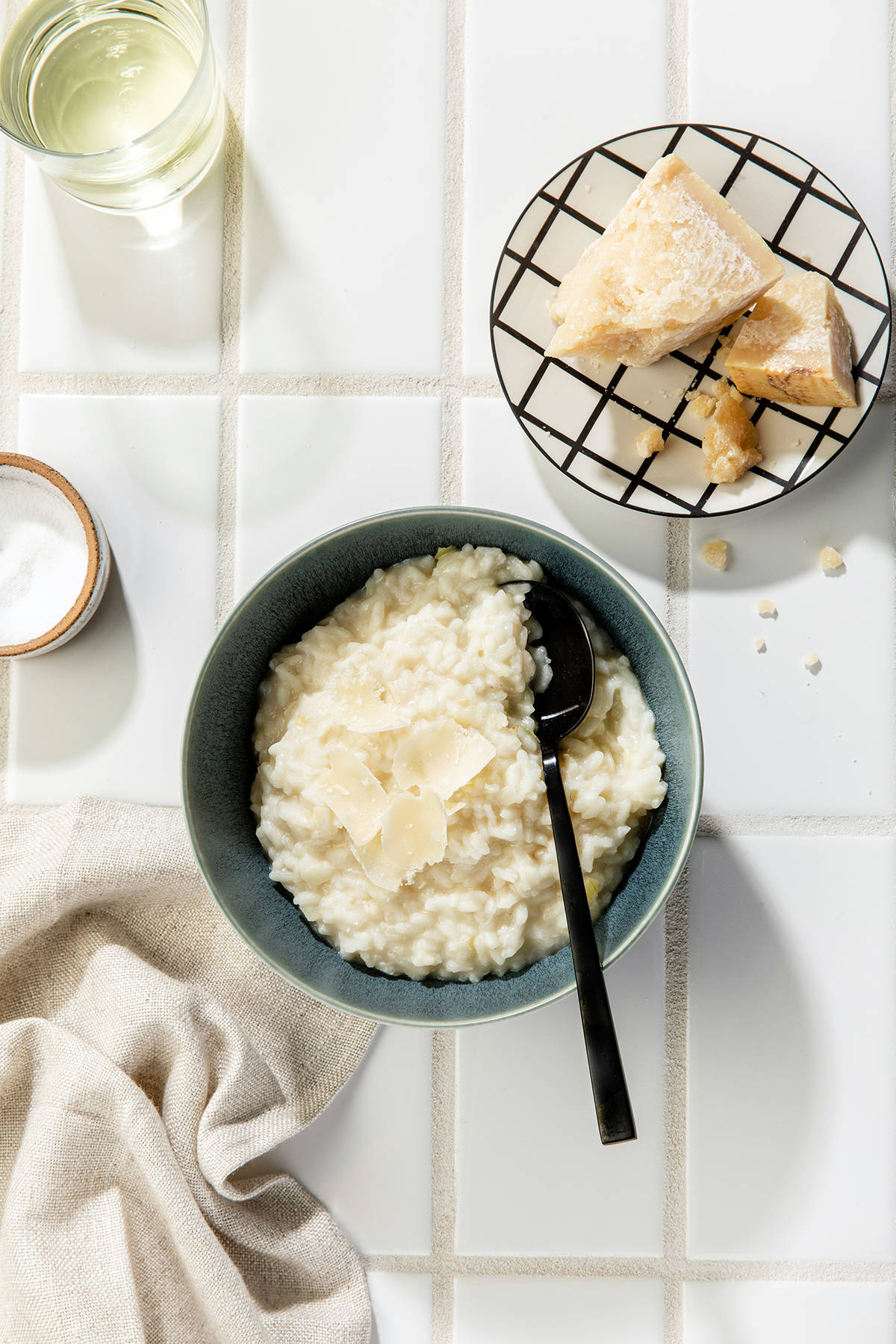
Kosher or fine sea salt, to taste StepsPut the garlic and the olive oil in a saute pan, and turn on the heat to medium-high. Cook and stir the garlic until it has become colored a light nut-brown, then take it out and add the diced prosciutto or pancetta. Stir quickly 5 or 6 times, then put in the peas and turn them over once or twice to coat well. Add the parsley and a few grindings of pepper. Turn the heat down to medium and put a lid on the pan. Cook for 5 minutes. When the peas are done, there should be no water left in the pan. Should the pan juices be watery when the peas are cooked, uncover, turn up the heat, and simmer. Taste and correct for salt, stir well, then turn the contents of the pan onto a warm platter and serve. Nutritional facts (per serving): Calories: 92; Protein: 4 g; Carbohydrates: 7 g; Fat: 5 g; Saturated Fat: 1 g; Cholesterol: 4 mg; Sodium: 191 mg; Fiber: 2 g; Sugar: 2 g. Risotto With Parmesan Cheese There has been a rumor rampantly circulating that risotto is restaurant food and shouldn't be attempted at home. It's codswallop. Common sense should tell you that what is essentially rice porridge is exactly what we should be making at home: it's short-grained rice cooked with enough stock to render it creamy without being gluey. You can gussy it up with almost anything (mushrooms, asparagus, lobster, saffron, you name it), but you don't need to. A heaping half-cup of Parmesan will do. The "trick" is to keep stirring. How hard is that? Hazan's instructions are ironclad. Put your faith in her and you'll have no reason to doubt your ability to pull it off. Hazan makes the dish with beef broth, but vegetable broth is fine as well. For easy printing and scaling, view this recipe on our website at washingtonpost.com/recipes. IngredientsServings: 6
Total time: 35 minutes 5 cups beef broth
3 tablespoons unsalted butter
2 tablespoons vegetable oil
2 tablespoons finely chopped yellow onion
2 cups arborio, or other imported Italian risotto rice
1/2 heaping cup (2 ounces) freshly grated Parmesan cheese
Kosher salt, to taste StepsBring the broth to a very slow, steady simmer on a burner near where you'll be cooking the risotto. Put 1 tablespoon of butter, the vegetable oil and the chopped onion in a broad, sturdy pot, and turn on the heat to medium-high. Cook and stir the onion until it becomes translucent, about 8 minutes, then add the rice. Stir quickly and thoroughly until the grains are coated well. Add 1/2 cup of the simmering broth and cook the rice, stirring constantly with a long wooden spoon, wiping the sides and bottom of the pot clean as you stir until all the liquid is gone. You must never stop stirring, and you must be sure to wipe the bottom of the pot completely clean frequently, or the rice will stick to it. When there is no more liquid in the pot, add another 1/2 cup, continuing always to stir in the manner described above. Maintain heat at a lively pace. Begin to taste the rice after 20 minutes of cooking. It is done when it is tender, but firm to the bite. As it approaches that stage, gradually reduce the amount of liquid you add, so that when it is fully cooked, it is slightly moist, but not runny. When the rice is about 1 or 2 minutes away from being fully cooked, add the grated Parmesan and the remaining butter. Stir constantly to melt the cheese and wrap it around the grains. Off heat, taste and correct for salt, stirring after adding salt. Nutritional facts (per serving): Calories: 381; Protein: 11 g; Carbohydrates: 54 g; Fat: 13 g; Saturated Fat: 6 g; Cholesterol: 23 mg; Sodium: 919 mg; Fiber: 1 g; Sugar: 0 g. Join our virtual cookbook club! Chat about the books, ask questions and share your creations by joining the Essential Cookbooks Facebook group here, and show others you've joined the club by posting your recipe photos on Instagram using #voraciouslycookbooks. Have a question?Email us at voraciously@washpost.com or message @eatvoraciously on Instagram. Charlotte Druckman is a journalist and food writer. She conceived and edited the collection "Women on Food" and is the author of "Skirt Steak: Women Chefs on Standing the Heat" and "Staying in the Kitchen." In addition, she has written two cookbooks — "Stir, Sizzle, Bake: Recipes for Your Cast-Iron Skillet" and "Kitchen Remix: 75 Recipes for Making the Most of Your Ingredients," and co-wrote chef Anita Lo's "Cooking Without Borders." She lives in New York City. Find her on Instagram (@chardrucks) or Twitter (@cettedrucks). Photos by Justin Tsucalas; food styling by Nichole Bryant; props by Limonata Creative; illustrations by Louisa Cannell, all for The Washington Post. | 



 Email
Email