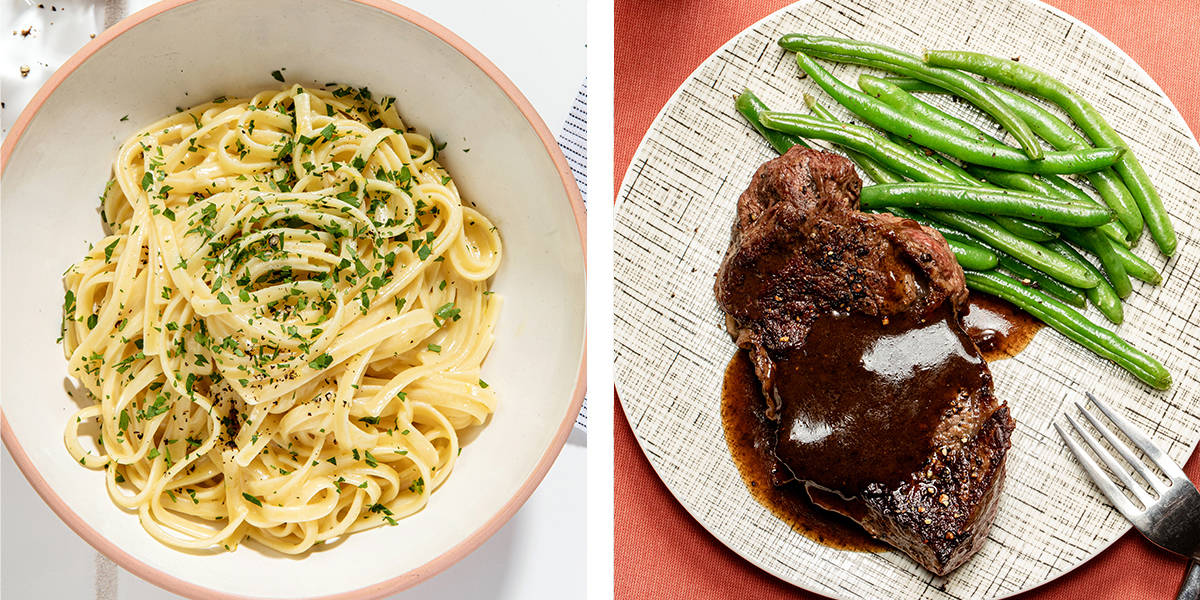
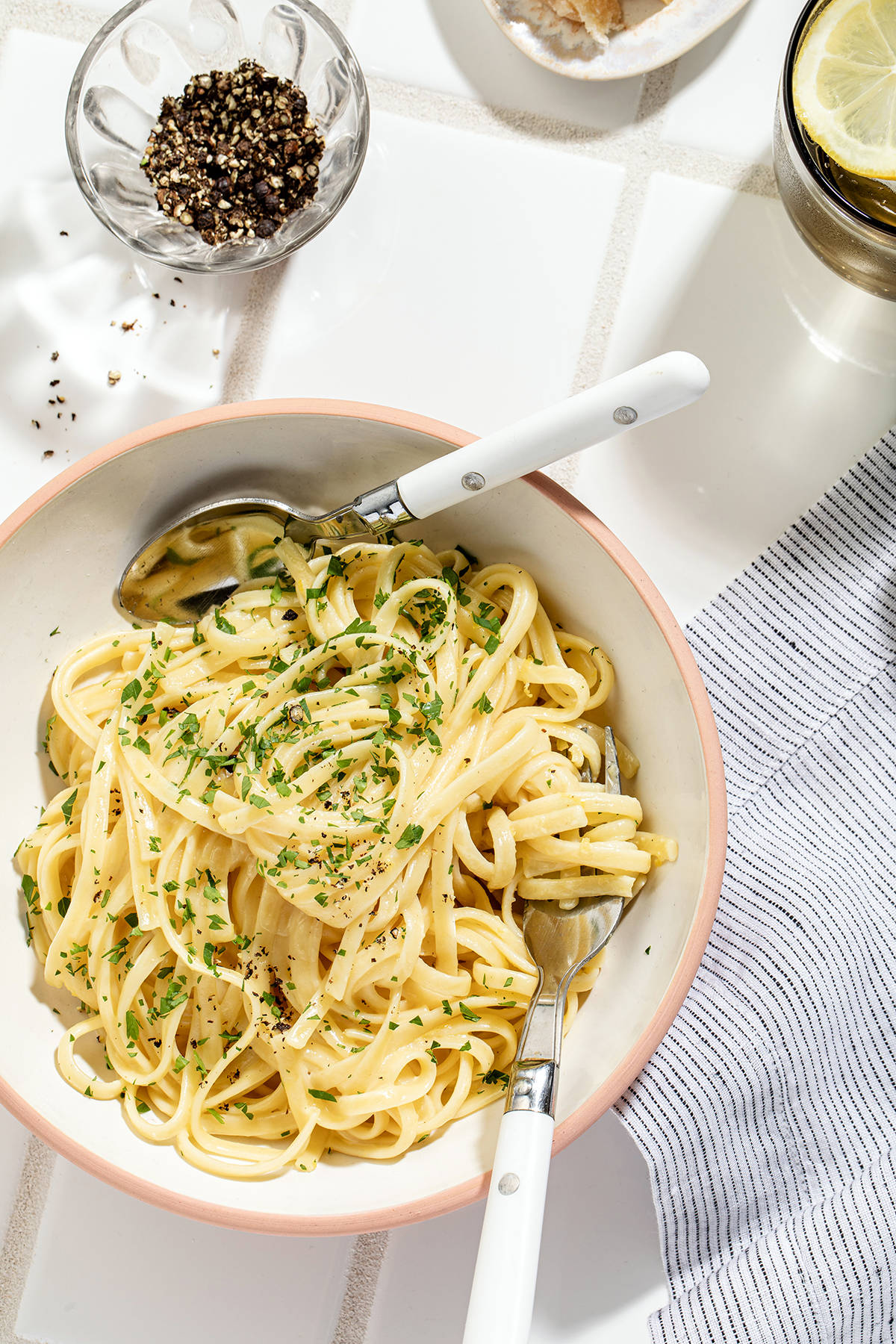
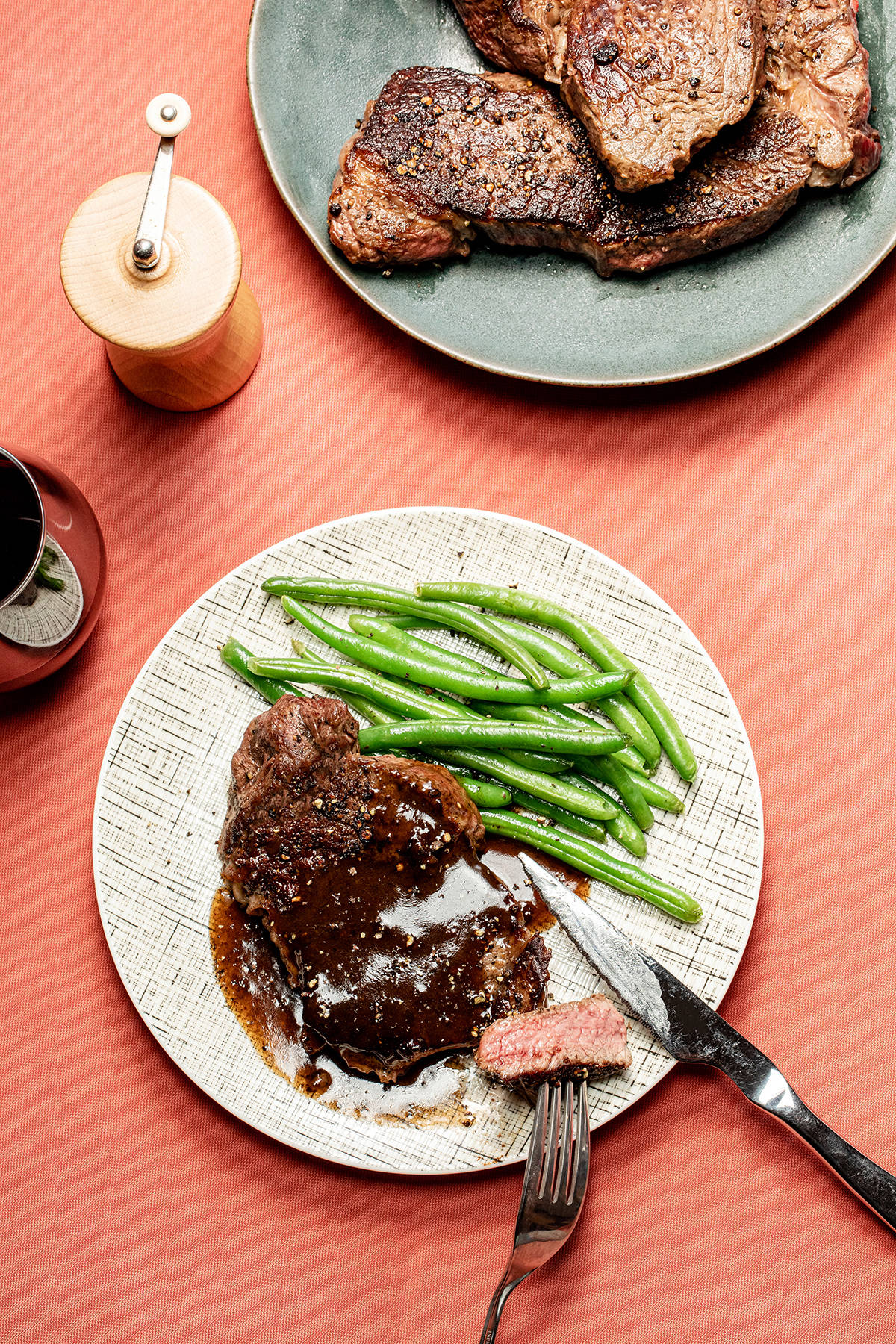
Nigella Lawson's 'How to Eat'I wish I knew what it was like to have read Nigella Lawson's "How to Eat" when it hit the British shelves in 1998 (when physical shelves of bookstores were still the primary point of purchase for books). But it didn't get to the States for another four years. I say this because, in 1998, in the United Kingdom (and in the United States, too), restaurants were being taken very seriously, and everywhere you looked, chefs were becoming the food experts cited in magazines and starring in a new crop of TV cooking shows. Also, everyone was fixated on "reduced fat" regimens and "lite" frozen desserts. Cooking seemed fussy and eating no fun. But then, out of nowhere, this former journalist and deputy literary editor swooped in with the reality check we didn't know we needed. She brought the JOY back to food. Can you imagine? Even in 2002, post-college me, in my Manhattan studio apartment, felt a shifting of the plates. Here was someone giving me permission to do what hadn't been forbidden, but I'd been made to feel inadequate about anyway. Like Mark Darcy in Helen Fielding's "Bridget Jones's Diary" who said "I like you very much. Just as you are," Lawson told me I didn't need to be anyone other than myself: I should eat the things I like and understand that whatever cooking or entertaining I was capable of was good enough. I hope that message carries through as you read along for the next nine weeks of this newsletter, and it's why I started with this particular title. You should adopt the parts you like; follow the recipes that speak to you, the way that makes sense for you. Some of the books are going to ruffle your truffle; others may not. Take what you need, leave what you don't. That's my own M.O. as a home cook. Lawson instilled it in me way back when. I have as hard a time putting her book down now as I did then. How can subjects like cooking for one or two, speedy cuisine, weekend luncheons, feeding young children, dinnertime and low-fat food be so riveting? In part because these are things we continue to care about (and probably always will), but also because while Lawson's goal is to evoke the pleasure in eating and cooking even when it seems like a chore, her writing is such a pleasure to read. She's sensible, sensual, chatty, lyrical, witty and unapologetically opinionated. But where is the food, Char? I know, I know. It's a mix of French-ish, Italian and English with a few surprises thrown in. Twenty years later, I still want to eat a mess of softened kale and fried chorizo topped with a poached egg, miso-marinated salmon, spaghetti carbonara, warm cannellini beans with sage and garlic, and a cumin- and cinnamon-scented chicken stew full of chickpeas and spiced with harissa. We seem to think sheet-pan suppers are some great, new invention, and that we should pat ourselves on the back for being cool with anchovies. But Lawson was already doing it back then. Her recipes range from dead-simple-lickety-split to grown-up-dinner party dazzlers that require planning but won't leave you frazzled. No matter where they fall on that spectrum, they always prioritize comfort and efficiency. What a freaking miracle!  | Menu | Lemon LinguineNigella Lawson puts lemon in her linguine to lift the spirits during spring, or any time at all. Steak au PoivreIt's peppery and it's done in two shakes of a lamb's tail … even though it's steak.  | Focus on the recipe style | You can read Lawson's recipes for pleasure. They're written almost like stories, but with smart tips about things like how we should have the water for our pasta boiling before guests arrive so they're not stuck milling about, hungry, while we're frenetically trying to get the food on the table. And nothing rivals her use of language: "Don't let sorry memories rule out the much-maligned soft, round, pale-green English lettuce: nothing else, just that, in plain vinaigrette, no interesting oils." It's just the thing to serve with the linguine.  | Recipes | Lemon LinguineIt's an all-season pantry affair whose humble components yield a dish that conjures sophistication, luxury, and, yes, lemons. But, SURPRISE! "it's the easiest thing you could imagine," Lawson writes. "The sauce requires no cooking, just stirring (and limply at that), and it produces food that is both comforting and uplifting." She presents it as part of a menu aptly titled Spring Lunch to Lift the Spirits, For Six that places the pasta in the company of a green salad and an Irish tarte tatin (made with a scone-based crust and rhubarb). If your household is small, feel free to halve the recipe. But I'd just as soon have the linguine for dinner, all by myself. Note: This recipe calls for raw egg yolks; if you are concerned about a risk of salmonella, use pasteurized eggs, which are available in select supermarkets. For easy printing and scaling, view this recipe on our website at washingtonpost.com/recipes. IngredientsServings: 6
Prep time: 15 minutes
Cook time: 35 minutes Kosher salt, for the pasta water
1 2/3 pounds linguine
2 large egg yolks
2/3 cup heavy cream
1/2 cup (scant 2 ounces) freshly grated Parmesan
Finely grated zest and juice of 1 lemon, preferably unwaxed
Pinch of flaky sea salt, such as Maldon
Freshly ground black pepper
2 tablespoons unsalted butter
2 to 3 tablespoons chopped fresh flat-leaf parsley StepsFill just about the biggest pot you can hold with water and bring to a boil. When you have friends coming for lunch, get the water heated to boiling point before they arrive, otherwise you end up nervously hanging around waiting for a watched pot to boil while your supposedly quick lunch gets later and later. Bring the water to a boil, cover and turn off the burner. When you're ready to go, turn the burner back on. I tend to leave the addition of kosher salt until the water's come to the boil a second time. But whichever way you do it, add quite a bit of salt – Italians say the water in which pasta cooks should be as salty as the Mediterranean. When the bubbling's encouragingly fierce, tip in the pasta. I often put the lid on for a moment or so just to let the pasta get back to the boil, but don't turn your back on it, and give it a good stir with a pasta fork or whatever to avoid even the suspicion of clagginess, once you've removed the lid. Then get on with the sauce, making sure you've set your timer for about a minute or so less than the time specified on the packet of pasta. In a bowl, put the yolks, cream, grated Parmesan, zest of the whole lemon and juice of half of it, a pinch of sea salt and good grating of pepper, and beat with a fork. You don't want it fluffy, just combined. Taste. If you want it more lemony, then of course add more juice. When the timer goes off, taste to judge how near the pasta is to being ready. I recommend that you hover by the stove so you don't miss that point. Don't be too hasty, though. Everyone is so keen to cook their pasta properly al dente that sometimes the pasta is actually not cooked enough. You want absolutely no chalkiness here. And linguine (or at least I find them so) tend not to run over into soggy overcookedness quite as quickly as other long pasta. This makes sense, of course, since the strands of "little tongues" are denser than the flat ribbon shapes. But I made this sauce with a very fine pasta, some sort of egg tagliarini, once and regretted it. You need the sturdier, but still satiny, resistance offered up by the linguine, which is why I stipulated this very pasta. Good Spaghetti or tagliatelle would do if linguine is not to be found. Since the sauce is the sort of thing you can throw together after a quick rummage through the shelves of the corner shop, it would be unhelpful to be too sternly dictatorial about a pasta shape that is not universally carried. Anyway, as soon as the pasta looks ready, hive off a mugful of the cooking liquid, drain the pasta and then, off the heat, toss it back in the pan or put it in an efficiently preheated bowl, throw in the butter and stir and swirl about to make sure the butter's melted and the pasta covered by it all over. Each strand will be only mutely gleaming, since there's not much butter and quite a bit of pasta. If you want to add more, then do: Good butter is the best flavoring, best texture, best mood enhancer there is. When you're satisfied the pasta's covered with its soft slip of butter, then stir in the egg, cream, cheese and lemon mix and turn the pasta well in it, adding some of the cooking liquid if it looks a bit dry (only 2 tablespoons or so, you don't want a wet mess, and only after you think the sauce is incorporated). Sprinkle over the parsley and serve now, now, now. Nutritional facts (per serving): Calories: 305; Protein: 10 g; Carbohydrates: 24 g; Fat: 19 g; Saturated Fat: 11 g; Cholesterol: 143 mg; Sodium: 209 mg; Fiber: 1 g; Sugar: 1 g. Steak au Poivre This recipe has only five ingredients and takes 20 minutes, if that. These days, we think of steak as a treat (beef's carbon footprint is notably high). So even though this cooks like a weeknight supper, it's a luxurious one. Lawson's recipe teaches you how to properly prepare a sirloin and a classic French technique to make a sauce by deglazing what's left in the pan, then ennobling (er, emulsifying) it with butter and cream, if you're my kind of someone. You can use black peppercorns or a mix; grind them with a coffee grinder or a mortar and pestle. With meat more difficult (and expensive) to come by in parts of the country right now, if you're going to make a steak, you should showcase it. This recipe from Lawson does just that. For easy printing and scaling, view this recipe on our website at washingtonpost.com/recipes. IngredientsServings: 2
Prep time: 15 minutes
Cook time: 20 minutes 2 middle-cut rump steaks (or sirloin or round steak if you prefer), about 1-inch thick
Scant 1 tablespoon olive oil
3 tablespoons peppercorns, ground coarsely (see above)
3 tablespoons unsalted butter, plus more if liked
3 tablespoons brandy
Kosher salt, if desired (optional) StepsUsing a pastry brush, if you've got one, paint the steaks on both sides with oil; you should need not more than a teaspoon on each side. Then dredge the oily steaks in the mashed peppercorns — you want a good, crusty coat. If the peppercorns are too coarse, they'll just fall off; if they're too fine, you won't stop coughing when you eat them. In a heavy-bottomed frying pan, put the remaining oil to heat up. Add the steaks, and sear over high heat on each side, then, over moderate heat, add the butter and another drop of olive oil and cook the steaks for about another 3 minutes a side or to requisite bloodiness. Remove to warmed plates. Turn the heat up to high again, then pour in the brandy, stirring well all the time to deglaze the pan. When you've got a thickened glaze, taste it: You may want to add salt, and you may want to whisk in a little butter just to help it all taste and look smooth and amalgamated. This, too, is where you could add your dollop of cream if you wanted. I've also, instead of the brandy, used Marsala without which I'm pathologically incapable of existing, and it was dee-licious. Serve the glaze poured atop the steaks or on the side. Nutritional facts (per serving, using 8-ounce steaks): Calories: 695; Protein: 45 g; Carbohydrates: 9 g; Fat: 54 g; Saturated Fat: 24 g; Cholesterol: 43 mg; Sodium: 108 mg; Fiber: 3 g; Sugar: 0 g. Join our virtual cookbook club! Chat about the books, ask questions and share your creations by joining the Essential Cookbooks Facebook group here, and show others you've joined the club by posting your recipe photos on Instagram using #voraciouslycookbooks. Have a question?Email us at voraciously@washpost.com or message @eatvoraciously on Instagram. Charlotte Druckman is a journalist and food writer. She conceived and edited the collection "Women on Food" and is the author of "Skirt Steak: Women Chefs on Standing the Heat" and "Staying in the Kitchen." In addition, she has written two cookbooks — "Stir, Sizzle, Bake: Recipes for Your Cast-Iron Skillet" and "Kitchen Remix: 75 Recipes for Making the Most of Your Ingredients," and co-wrote chef Anita Lo's "Cooking Without Borders." She lives in New York City. Find her on Instagram (@chardrucks) or Twitter (@cettedrucks). Photos by Justin Tsucalas; food styling by Nichole Bryant; props by Limonata Creative; illustrations by Louisa Cannell, all for The Washington Post. | 


 Email
Email